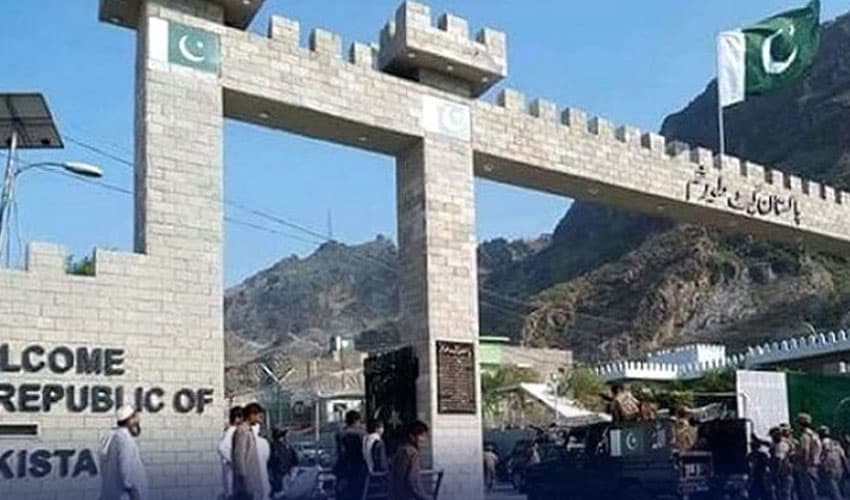
After the reopening of the Chaman border crossing, Pakistan and Afghanistan are preparing to restore trade movement through the Torkham trade corridor, sources in the Customs Department confirmed on Tuesday.
According to officials, all preparations for reopening the Torkham border crossing have been completed, and the trade route could be operational anytime by tomorrow.
“Customs staff have been deployed at the Torkham terminal, and scanners have been installed for the clearance of cargo vehicles,” a customs source said.
Nine-day closure led to heavy congestion
The Torkham border crossing — a major gateway for trade between Pakistan and Afghanistan — has remained closed for all types of traffic for the past nine days, causing severe disruption to bilateral and transit trade.
Due to the closure, thousands of cargo trucks, including those carrying import and export goods, have been stranded on both sides of the border, forming long queues stretching for several kilometers.
Officials said that empty trucks have been allowed to enter the terminal area today as part of the phased reopening process. Afghan drivers are being required to present valid passports and visas, reflecting the new regulatory measures implemented at the border.
Chaman border reopened earlier
On Sunday, the Spin Boldak-Chaman border crossing was reopened for commercial activities, marking the first step toward restoring normal cross-border trade after weeks of heightened tensions.
According to sources, the movement of civilians on foot has not yet been permitted due to security concerns, but commercial transport and customs clearance have resumed.
Authorities on both sides have now resumed their responsibilities related to trade regulation and cargo verification, ensuring that the reopening process proceeds smoothly.
Other crossings remain closed
Sources said that the other three major border crossings — Ghulam Khan, Angoor Adda, and Kharlachi — are likely to remain closed for the time being, pending further security assessments.
Trade experts believe that the restoration of the Torkham route will help ease congestion at other crossings and boost trade volumes between the two neighboring countries.
Background
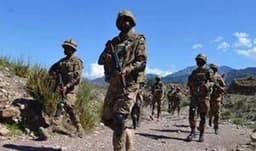
The recent closure of the border crossings followed unprovoked firing by Afghan Taliban forces on the night of October 11 and 12, which prompted a retaliatory response from the Pakistan Army.
According to official sources, over 200 militants from the Afghan Taliban and Fitna-ul-Khawarij were killed during the exchange, and multiple check posts were destroyed.
Following mediation efforts by Qatar and Türkiye, Pakistan and Afghanistan agreed to a ceasefire on October 15, initially implemented for 48 hours and later extended. Negotiations held in Doha on October 18 resulted in a formal ceasefire agreement, which has since reduced tensions along the border.