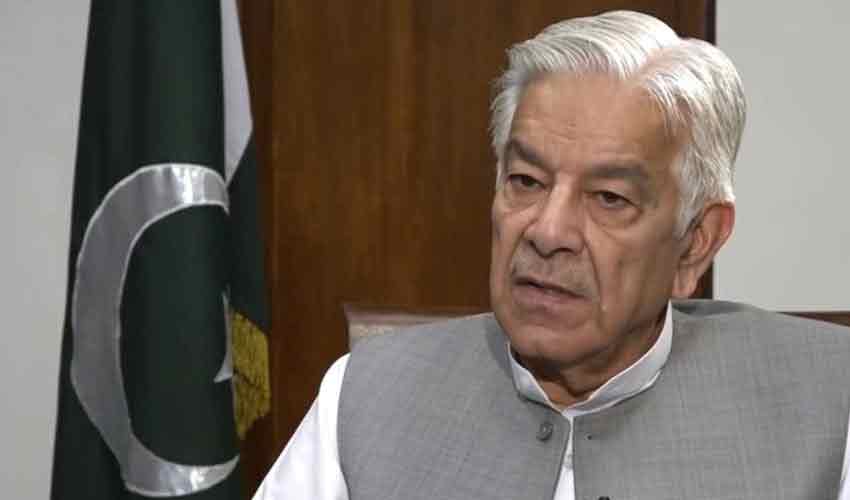





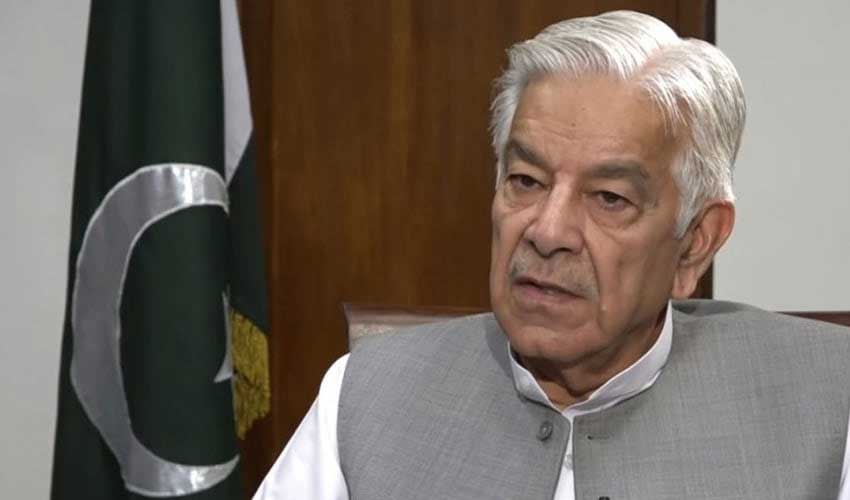
The ceasefire agreement between Islamabad and Kabul is linked to the Afghan Taliban's ability to rein in militants attacking Pakistan from Afghanistan, Defence Minister Khawaja Asif told Reuters on Monday.
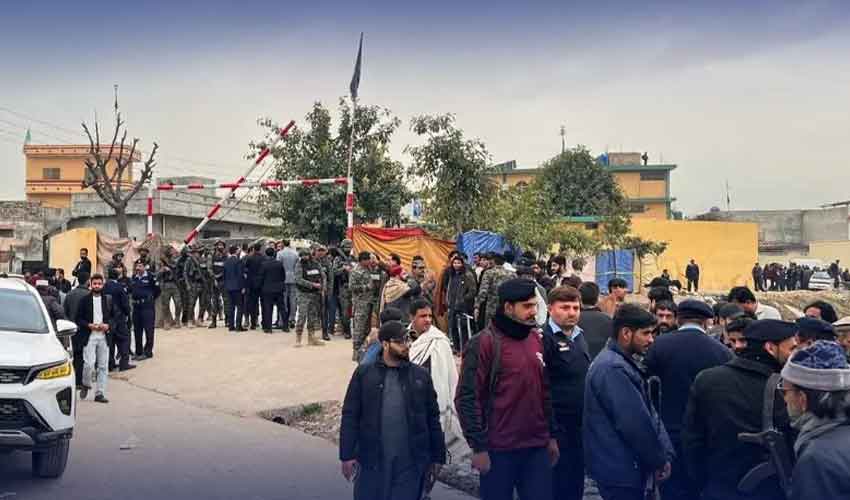
The South Asian neighbours agreed to a ceasefire in Doha at the weekend after days of border clashes that killed dozens, the worst such violence since the Taliban seized power in Kabul in 2021.
Ground fighting between the one-time allies and Pakistani airstrikes across the 2,600-km frontier were triggered after Islamabad demanded that Kabul control militants, saying they operated from havens in Afghanistan.
"Anything coming from Afghanistan will be (a) violation of this agreement," Asif said in his office in parliament. "Everything hinges on this one clause."
In the agreement signed by Pakistan, Afghanistan, Turkiye and Qatar, it was clearly spelled out that there would not be any incursions, the minister said.
"We have a ceasefire agreement as long as there is no violation of the agreement, which is already in force."
Also Read: Pakistan will crush every Indian proxy in region, says Asim Munir
The Tehreek-e-Taliban Pakistan operates out of Afghanistan to attack Pakistan "in connivance" with the Taliban, the minister said.
Kabul has previously denied such accusations.
Earlier, in an interview to Al Jazeera, Khawaja Asif said terrorism has plagued the Pak-Afghan border areas for years, and recent clashes had underscored the urgency of addressing the issue.
“Both countries have realised that an immediate end to terrorism is necessary, otherwise regional peace could be at risk,” he said.
Qatar and Turkey to guarantee implementation
Asif confirmed that the agreement was reached through the joint mediation efforts of Qatar and Turkey, and a follow-up meeting to finalise operational details will be held in Istanbul next week.
He added that both sides had agreed to form an effective mechanism to address mutual concerns and prevent future misunderstandings. “The Afghan Defence Minister also admitted that terrorism remains the main cause of tension between the two countries,” Asif noted.
Restoring normalcy and regional trade
Highlighting Pakistan’s sacrifices, the Defence Minister said the country has suffered massive losses of life and property due to terrorism. “Now it is hoped that peace will return, relations will normalise, and Pak-Afghan trade and transit will be restored,” he said.
Asif mentioned that under the agreement, Afghanistan will once again be able to use Pakistani ports, which could help boost cross-border commerce and connectivity.
Also Read: Ceasefire with Afghanistan aims to end terrorism, bring peace: Asif
Clarifying Pakistan’s stance on refugees, Asif said that Afghan citizens holding valid visas will be allowed to stay in Pakistan, but the repatriation of illegal immigrants will continue. He stressed that the use of the Pak-Afghan border must be formal and regulated, similar to international standards.
“Pakistan and Afghanistan have been neighbours for centuries — geography cannot be changed,” Asif remarked. “It is hoped that after this agreement, both countries will move forward with better relations.”