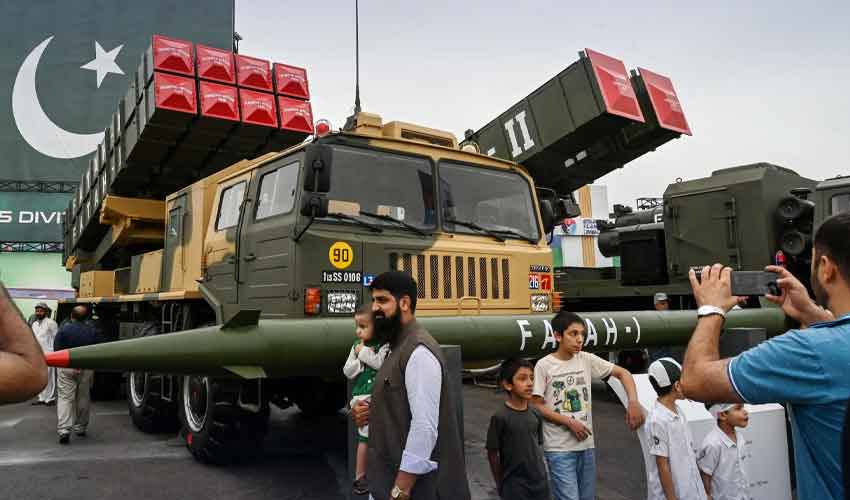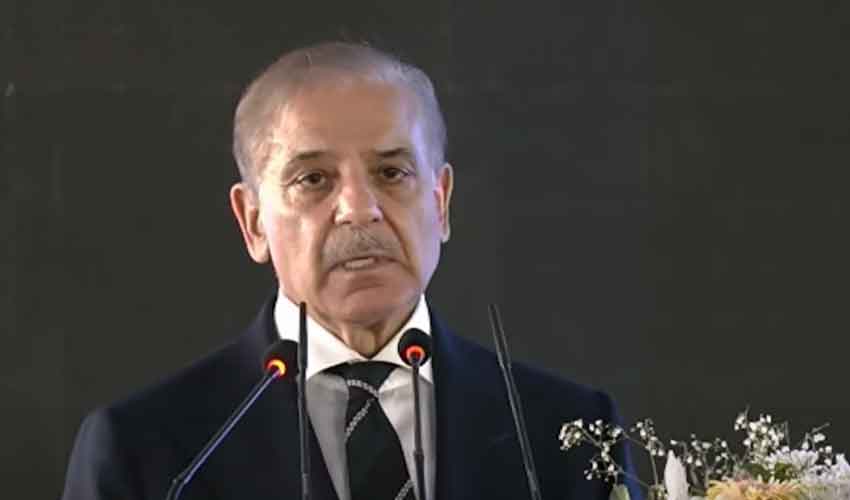







May 10 is a shining chapter in Pakistan’s history — the day our armed forces gave a crushing response to India, and Modi’s defeat became inevitable. On this brilliant strategy and policy of forcing the enemy to retreat, the Government of Pakistan promoted Chief of Army Staff General Syed Asim Munir to the rank of field marshal. Under his command and military foresight, the Pakistan Army made a much more powerful enemy bite the dust. Asim Munir is the second field marshal in Pakistan’s military history. Before him, only General Ayub Khan had assumed this rank — and that too by promoting himself while being president.
Field Marshal Asim Munir stated during a mid-March address to the Parliamentary Committee on National Security that Pakistan needed to become a “hard state” alongside good governance. For how long will we keep sacrificing countless lives while remaining a soft state?
Under this policy of the army chief, Pakistan now urgently needs to become a hard state. Major and decisive steps must be taken in this regard. Whether it is political matters or security issues, internal or external challenges, enforcing state writ or dealing with economic and diplomatic fronts — Pakistan must become a hard state.
To become a hard state, a few steps must be taken — and the first stage should focus on Balochistan, a province that has for decades suffered from insurgency, unrest, internal and external threats, and interference. India has its filthy eyes fixed on Balochistan and, through the Fitna-e-Hindustan project, continues to operate its proxies. India is directly involved in every single act of terrorism in the province. The living proof of this is Kulbhushan Jadhav, who was arrested from Balochistan. That was a major achievement of our intelligence agency ISI — it skillfully trapped a serving Indian Navy officer of RAW.
Indian intelligence agency RAW is constantly working in Balochistan, in collusion with Fitna-e-Hindustan and non-state actors, to carry out terrorist attacks and sabotage activities. Be it the Jaffer Express tragedy, the Khuzdar incident, or attacks on security forces — RAW is one hundred percent behind all of it. In fact, the targeted killings of Punjabis in Balochistan is also part of RAW’s greater plan.
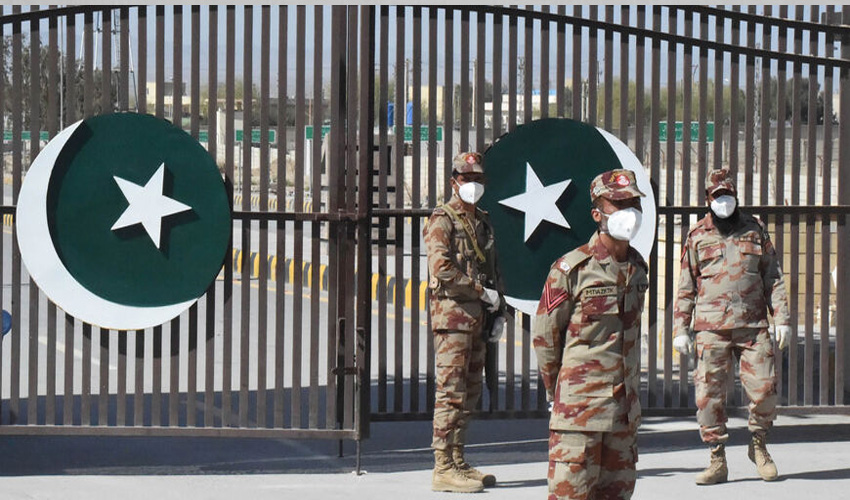
To ensure security and protect people in Balochistan, immediate and wartime-level decisions must be made. Those who have taken up arms against the state should be dealt with as enemies and wiped out along with their proxies. And those who serve as tools for these enemies must also be dealt with strictly — no leniency should be shown.
Hard state formula should also include identifying those elements and factions in Balochistan for which a political solution is feasible. Those stakeholders who are engaged in political struggle should be brought together — all of Balochistan’s political stakeholders should be invited to an APC (All Parties Conference) and heard out, so their deprivations can be addressed. The mistrust that has developed between political leadership and these stakeholders must be resolved. They should also be given a chance to speak — a two-way solution should be sought. Such elements should be given a chance for peace.
Political decisions regarding Balochistan should be made by bringing the province’s political leadership to the same table. A major package should be announced immediately, and steps should be taken to improve infrastructure — so that immediate, visible change is felt in Balochistan.
It is extremely important to remember that the Gwadar Port is the gateway to Pakistan’s trade development, and CPEC holds the status of a red line for us. Both are directly tied to Pakistan’s economic stability. The situation in Balochistan demands political wisdom, maturity, and strategic thinking from our leadership. The time is now — or else, the day might come when we are all left saying, “It is useless to cry over spilt milk.”