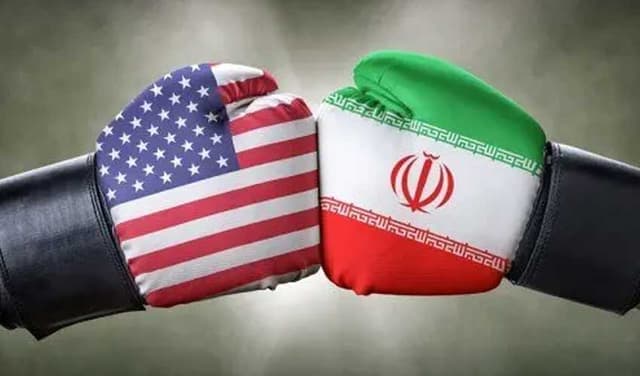
Pakistan’s effective diplomacy has come into sharp global focus amid rising tensions surrounding Iran, with a leading US magazine describing Islamabad as a critical regional stabiliser capable of steering the crisis toward dialogue rather than conflict.
According to The National Interest, Pakistan’s diplomacy is increasingly seen as vital for resolving regional conflicts and ensuring peace and stability. The magazine noted that Pakistan’s balanced and pragmatic approach has drawn international attention during the current Iran-related tensions.
The report said the idea of making Iran the next target has gained traction in hard-line circles in Washington. It cited remarks by Donald Trump, who warned that the United States could intervene if protesters were cracked down upon, though he did not specify the nature of such intervention.
Risks of Venezuela-style approach
The National Interest cautioned that adopting a Venezuela-like strategy toward Iran could trigger a serious crisis extending into South Asia. It stressed that opposition to military action against Iran is not confined to the Persian Gulf but is spread across the wider region.
The magazine highlighted that Pakistan, a key US partner in South Asia, does not support any form of military action or violent regime change in Iran. It said Pakistan believes such a move would only fuel instability and chaos rather than bring lasting solutions.
Improved Pakistan–US relations
Pakistan–US relations have improved significantly following a high-level engagement between Field Marshal Asim Munir and US President Trump, the report noted. This improved relationship positions Pakistan as a credible interlocutor between Washington and Tehran.
The magazine warned that regime change or instability in Iran could empower terrorist groups operating along both sides of the Pakistan–Iran border. It said such chaos could provide space, weapons, and sanctuaries to terrorists and other extremist elements.
Refugee influx a major concern
Another major concern highlighted was the potential influx of refugees into Pakistan in the event of unrest in Iran. The magazine described this as a fundamental national security issue for Islamabad.
Unlike Venezuela, Iran possesses a strong military and the capability to disrupt oil shipments through the Persian Gulf. Any conflict, the report said, would have severe global economic and security repercussions.
Pakistan’s existing security challenges
The article noted that Pakistan is already managing tensions with India and facing terrorist threats from Afghanistan. It stressed that Pakistan cannot afford additional war or insecurity on its western border.
The National Interest concluded that the situation clearly points toward a diplomatic path rather than a military one. It argued that from limiting Iran’s missile programme to protecting protesters, the US should rely on regional partners instead of war.
Pakistan as bridge between Iran, US
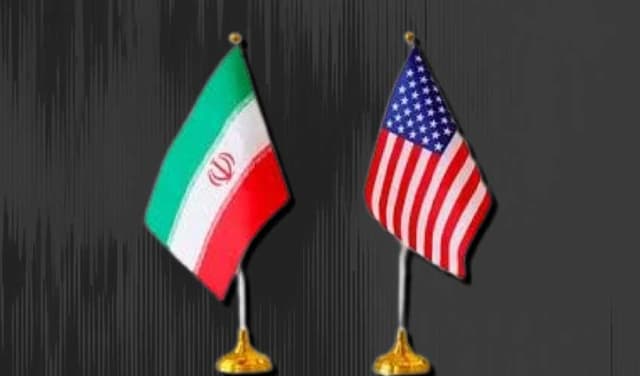
Importantly, the magazine noted that Pakistan maintains strong diplomatic contacts with both Iran and the United States. It added that unlike in the past, Iran welcomed the recent security agreement between Pakistan and Saudi Arabia, reflecting growing trust.
The report said Pakistan is already engaged in efforts to lower regional tensions and can play a constructive role in preventing escalation. It warned that external interference in Iran would destabilise the entire region.
Pakistan seen as net regional stabiliser
The article described Pakistan as emerging as a net regional stabiliser due to its clear national vision and effective diplomacy. It said the future trajectory of countries like Pakistan is shaped by visionary statecraft, with Islamabad’s political and military leadership now being recognised globally for its diplomatic clarity and influence.