




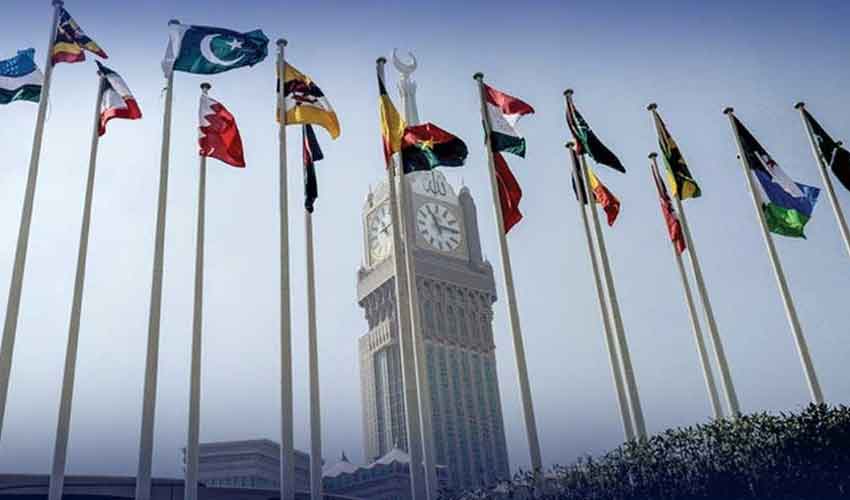
The Independent Permanent Human Rights Commission (IPHRC) of the Organization of Islamic Cooperation (OIC) has strongly condemned the rising wave of Islamophobia, hate speech, and targeted violence against Muslims in India and Indian Illegally-occupied Jammu and Kashmir (IIOJK), particularly in the aftermath of the recent Pahalgam incident.
In a powerful statement issued on Sunday, the IPHRC voiced grave concern over what it termed “revenge attacks” on Muslims, allegedly carried out by Hindu extremist groups scapegoating the Muslim community for the deadly incident in Pahalgam.
The commission called for an impartial, international investigation into the hate-driven assaults and urged the international community to hold India accountable for violations of international human rights law.
'India is failing its human rights obligations'
The OIC’s human rights body accused India of breaching multiple United Nations human rights treaties, including the International Covenant on Civil and Political Rights (ICCPR), the International Covenant on Economic, Social and Cultural Rights (ICESCR), and the International Convention on the Elimination of All Forms of Racial Discrimination (ICERD) -- all of which India is a signatory to.
The IPHRC called on the Indian government to "break the cycle of hate," ensure the safety of Muslim minorities, and bring those responsible for hate crimes to justice. The statement emphasized that the continued persecution of Muslims in India and IOJK not only violates legal norms but also fuels communal tensions and regional instability.
Call for UN access and free referendum in Kashmir
Reiterating its long-standing stance, the OIC also rejected India's unilateral and controversial actions of August 5, 2019, which revoked the special constitutional status of Jammu and Kashmir and led to heightened military repression in the region.
The commission demanded:
-
The immediate release of political prisoners in IOJK
-
An end to collective punishment and security lockdowns
-
Restoration of fundamental rights and civil liberties for the Kashmiri people
-
Access for UN and OIC observers to assess the on-ground human rights situation
-
A free and fair referendum under international supervision to determine Kashmir’s political future
Appeal for international action
The IPHRC urged the United Nations to dispatch a fact-finding mission or Commission of Inquiry to occupied Kashmir to independently document human rights abuses and verify the conditions on the ground.
It also called on the global community—particularly the UN Human Rights Council and other multilateral forums—to hold India accountable and intervene under relevant international human rights mechanisms.
Legal and diplomatic weight
Although not legally binding, the OIC’s statement carries considerable moral and diplomatic influence, especially in the Muslim world. Legal experts say that by referencing specific provisions of international treaties, the IPHRC has framed India’s alleged actions not only as political transgressions but as legal violations of binding commitments.
Strengthening Pakistan's position
The strongly-worded statement also supports Pakistan's narrative on Kashmir at global platforms, offering Islamabad additional diplomatic leverage. Pakistan has consistently raised the issue of Kashmir at the UN, the OIC, and other forums, calling for international intervention against what it describes as “Indian state terrorism.”