




Digitization has been promised for decades, while documentation has also been highlighted every budget cycle. Now, with yet another push to wage a “war on cash”, the government claims it is finally ready to act. Proposals like additional pricing at petrol stations, extra GST on cash transactions, and mandatory digital payment options across businesses are all being framed as bold measures. However, boldness on paper does not always translates into bold results.
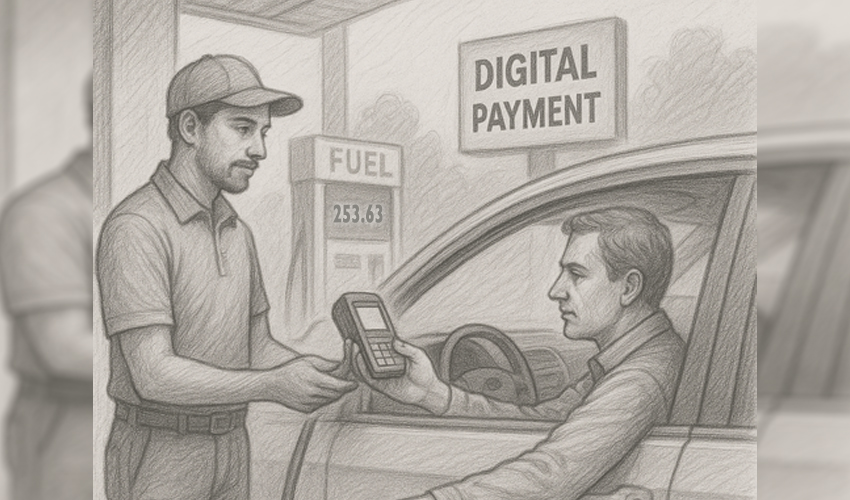
Finance Minister Muhammad Aurangzeb has said all the right things about dragging the informal economy into the light. The upcoming finance bill might also have something about digital transactions going cheaper, and cash coming with a penalty. On fuel purchases, Rs2 or Rs3 per liter will likely be the extra price of using cash. At the manufacturing level, importers and suppliers are expected to face a 2 percent additional GST on cash settlements. While authorities believe this reward and punishment are enough, they are not!
Pakistan’s informal sector is stubborn, and cash is the bloodstream of nearly all business models. From real estate offices to private clinics, from jeweler stores to wedding halls, cash is the method and the message. A few extra rupees here and a digital receipt there would not change that. The worst part is that the state knows this, and so does the FBR.
It would also be naive to believe that additional taxes on cash sales and digital tracking laws alone will bring about any positive change. For that, the state must assert its regulatory authority to document economic activity and compel high-income professionals to declare their income
Every high-margin service sector routinely pulls in millions, and that is hardly a secret. Still, their tax returns read like those of a middle-class household. For the current measures to yield positive results, the authorities must ensure that top-tier service sector professionals, real estate players, jewelers, wedding venue owners, and even healthcare practitioners are brought into this new digital paradigm without any exception or delay.
Cash has ruled as king in the informal sector because the cost of avoiding tax has been zero. The government must change that equation and ensure that rational actors no longer use cash as a shield to get away with tax evasions. It would also be naive to believe that additional taxes on cash sales and digital tracking laws alone will bring about any positive change. For that, the state must assert its regulatory authority to document economic activity and compel high-income professionals to declare their income.
Policymakers must also confront the illusion of progress. The state’s track record on enforcing digital compliance has been patchy at best. Past efforts to mandate POS machines, track transactions, or link databases have all hit a wall, and that wall is often political. Then there is the question of class. While introducing new policies, the government must remember that the people who rely on cash the most are those already living on or below the poverty line. Many are underbanked and digitally excluded, especially women. Turning a tax instrument into a blunt tool may only push people further out of formal economy.
The informal economy will not fall with a single policy, nor will it digitize out of politeness. If the state wants a cashless economy, it must first show it can enforce a rulebook that applies equally to all. Otherwise, the "war on cash" will go down like every other reform that was cheered upon arrival, only to vanish later without hitting the mark.