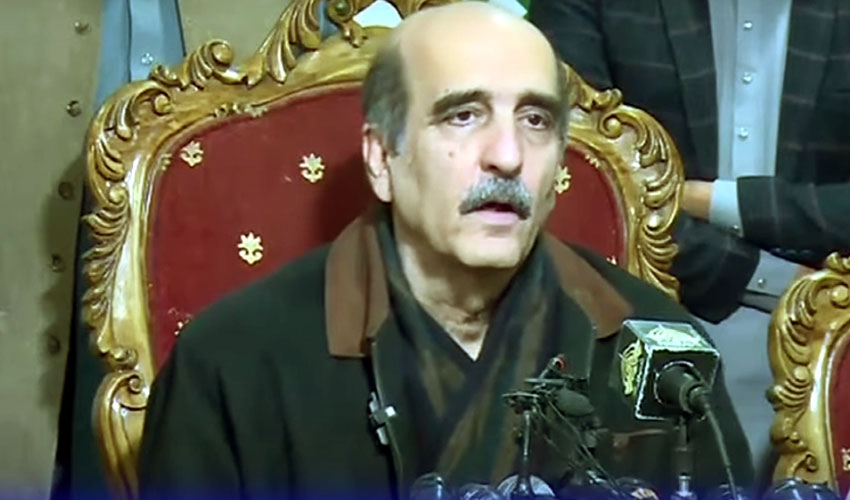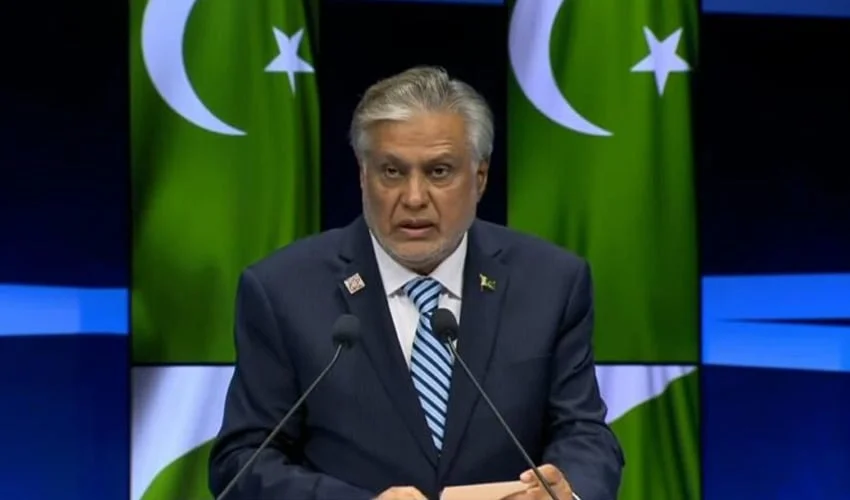





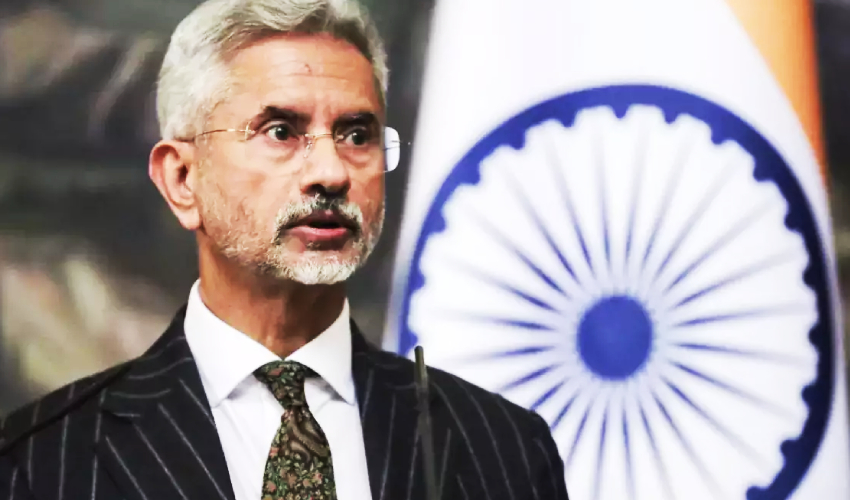
India’s External Affairs Minister S. Jaishankar announced that India and Pakistan have reached an understanding to stop firing and military operations, marking a significant step towards reducing tensions between the two countries.
"India and Pakistan have today worked out an understanding on stoppage of firing and military action,’ Jaishankar said in a statement.
He stated, "India has consistently maintained a firm and uncompromising stance against terrorism in all its forms and manifestations. It will continue to do so."
In the last 24 hours, tensions between Pakistan and India escalated dramatically, marking one of the most critical security moments in South Asia.
From Islamabad’s point of view, situation is being treated with seriousness, resolve, and a measured diplomatic tone, despite the eruption of hostilities along the Line of Control and beyond.
The conflict began with intensified shelling across the border, followed by a rapid exchange of fire that triggered concerns of a full-scale war. Pakistan’s military responded swiftly, asserting that it only retaliated in self-defence and to protect its sovereignty and civilian population.
Foreign Office in Islamabad emphasized Pakistan's commitment to regional peace but warned that any aggression would be met with a firm response.
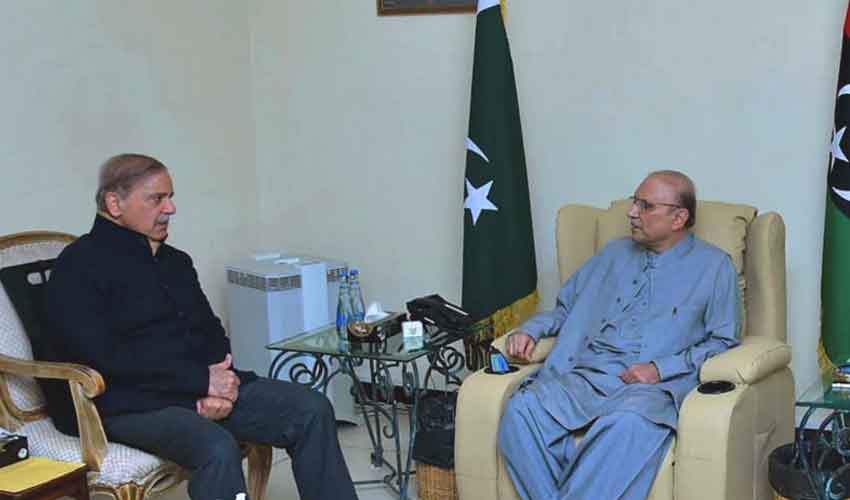
Prime Minister and military leadership convened multiple high-level meetings, assuring the nation of full preparedness. In a joint press conference, government officials reiterated Pakistan’s position that dialogue—not war—is the path to resolving disputes. However, they made it clear that Pakistan would not compromise on its national security.
Public sentiment within Pakistan has been marked by a mixture of patriotism, anxiety, and unity. Citizens across the country voiced support for the armed forces while expressing concern over the potential humanitarian toll of continued conflict.
Internationally, Pakistan has reached out to the United Nations, OIC, and key allies including China and Turkey, urging immediate diplomatic intervention to prevent further escalation. Beijing’s response was particularly notable, with senior Chinese officials reaffirming their unwavering support for Pakistan’s sovereignty.
Media coverage in Pakistan has remained cautious but critical, emphasizing India’s role in initiating the conflict while calling for a responsible approach from both nuclear-armed neighbours.
As the ceasefire talks are reportedly being explored behind closed doors, Islamabad’s focus remains on de-escalation—but not at the cost of its territorial integrity or national dignity.