




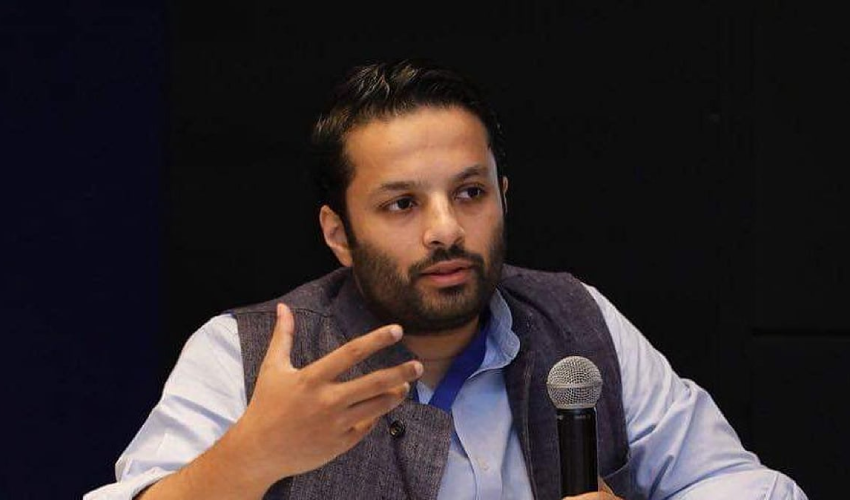
The Supreme Court of India on Wednesday granted interim bail to Ashoka University professor and political scientist Ali Khan Mahmudabad, who had been arrested by the Haryana Police for his social media commentary surrounding Operation Sindoor.
On May 18, the arrest of Professor Mahmudabad sparked widespread concern among academic and civil rights circles.
A bench consisting of Justice Surya Kant and Justice NK Singh ordered the formation of a Special Investigation Team (SIT) to thoroughly investigate the context and intent of the professor’s posts. The Haryana Director General of Police has been instructed to constitute the SIT within 24 hours. The Court mandated that the team be composed of senior IPS officers from outside Haryana and Delhi, and must include at least one woman officer.
While the investigation will continue, the Court placed several conditions on Mahmudabad’s interim bail. He has been prohibited from publishing articles, making online posts, or giving public speeches related to the case or the ongoing national security crisis, which has been described as a terrorist attack on Indian soil. Additionally, he has been ordered to surrender his passport.
Senior Advocate Kapil Sibal, representing Mahmudabad, requested protection from multiple FIRs on the same issue. Justice Kant, however, responded succinctly, “Nothing will happen,” suggesting the Court expects no further action unless warranted.
Justice Kant also criticized the tone of the professor’s posts, calling them “dog whistling” and “potentially communal.” He emphasized the need for public intellectuals to maintain sensitivity in their language. “Use neutral and respectful language that takes everyone’s sentiments into account,” he advised.
Sibal countered that the posts were patriotic and held no criminal intent, adding that the professor’s wife is currently nine months pregnant, appealing for humanitarian consideration.
The case continues to stir national conversation around free speech, academic freedom, and the responsibilities of public figures in India’s polarized political climate.