





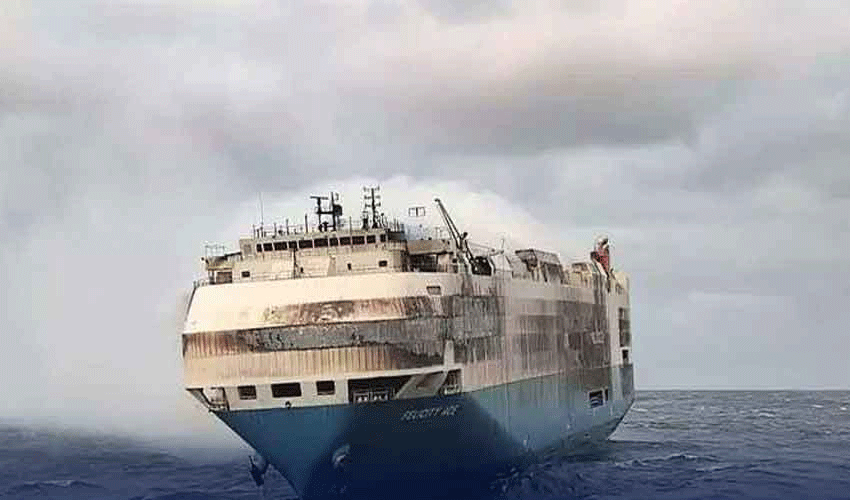
An Indian cargo ship carrying hazardous materials sank in the Arabian Sea, causing a significant environmental disaster along the Kerala coastline.
The vessel, laden with 640 containers, reportedly lost 13 containers filled with highly toxic chemicals into the sea. Additionally, an estimated 84 tons of diesel and 367 tons of furnace oil spilled, raising serious concerns about marine pollution and its impact on local communities.
The incident, which occurred earlier this week, has sparked widespread alarm among environmental experts and fishermen in the region. Despite the scale of the disaster, the Indian Navy and the Modi government have so far remained largely silent, prompting criticism over their response and preparedness.
Experts warn that the chemical spill poses a grave threat to aquatic ecosystems, jeopardizing marine biodiversity and the livelihood of fishermen who depend on the sea. “The toxic substances released can cause long-term damage to marine life and contaminate seafood, posing serious health risks to the local population,” said a leading marine biologist familiar with the case.
Local fishermen have reported a decline in fish catches, fearing that the contamination could worsen in the coming days. Environmental activists have called for immediate and transparent action to contain the spill and mitigate its effects.
The Modi government’s perceived lack of urgency and the Navy’s silence have drawn sharp criticism from political analysts and opposition parties alike. They accuse the authorities of criminal negligence in handling the situation, questioning why preventive measures were not in place despite the hazardous cargo onboard.
Efforts to contain the spill remain limited, with clean-up operations yet to commence in earnest. The incident has underscored vulnerabilities in maritime safety protocols and environmental safeguards in India’s coastal waters.