





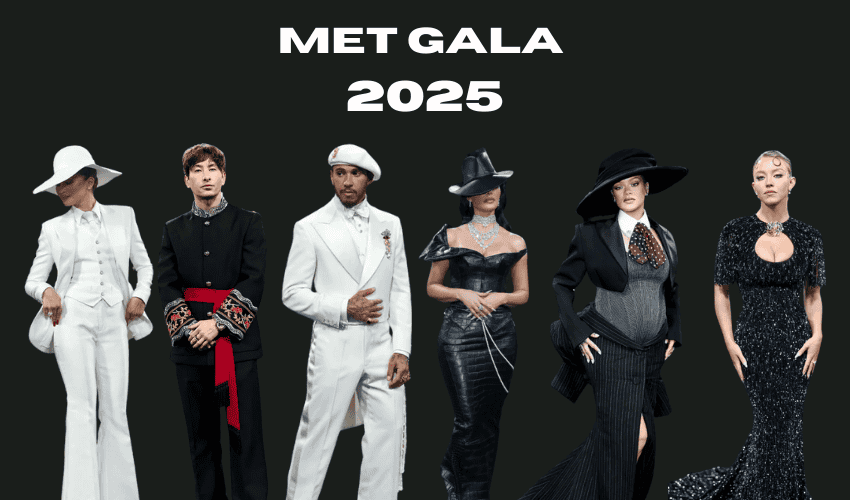
The Metropolitan Museum of Art transformed into a celebration of Black fashion heritage Monday night as celebrities embraced the 2025 Met Gala theme "Superfine: Tailoring Black Style." Stars showcased meticulously tailored ensembles paying homage to Black dandyism, creating one of the most culturally significant red carpets in recent memory.
Co-chairs Pharrell Williams, Lewis Hamilton, Colman Domingo, and A$AP Rocky guided the evening's sartorial direction, emphasizing the historical importance of Black tailoring traditions. The corresponding Costume Institute exhibition examines how Black style has influenced global fashion while serving as a powerful form of cultural expression and identity.

"Tonight represents a meaningful recognition of Black contributions to fashion history," said Pharrell Williams, who also designed for Louis Vuitton. "We're highlighting how tailoring has been both artistic expression and social commentary throughout generations."
Diana Ross returns after two decades
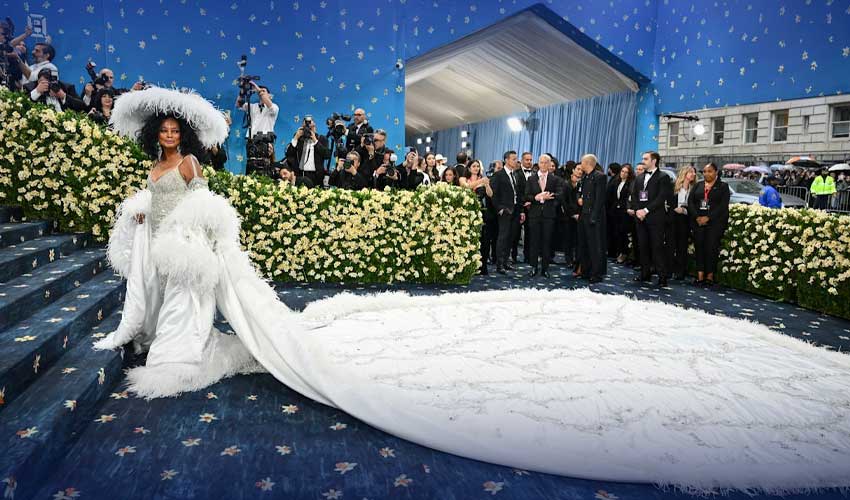
In a moment that captivated photographers, Diana Ross made her first Met Gala appearance in over twenty years. The legendary performer wore a statement gown by designer Ugo Mozie featuring an 18-foot train embroidered with the names of her children and grandchildren. The custom creation combined traditional tailoring techniques with contemporary materials, embodying the evening's theme through its celebration of family heritage.
Zendaya's homage to black cinema
Fashion icon Zendaya delivered another memorable Met moment in a white Louis Vuitton zoot suit designed by Pharrell Williams. The ensemble drew inspiration from both 1970s fashion movements and Diana Ross's wardrobe in the film Mahogany, demonstrating how Black fashion history intersects with cinematic representation.

Rihanna's pregnancy reveal
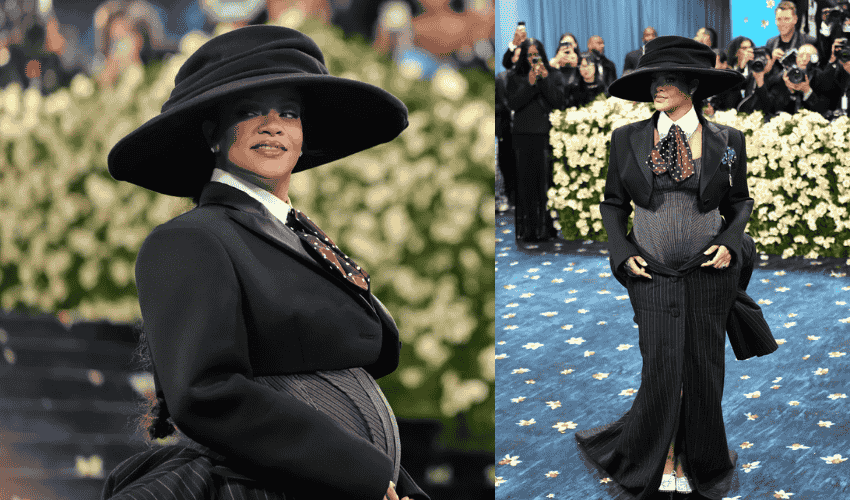
Continuing her tradition of show-stopping Met Gala appearances, Rihanna announced her third pregnancy in a structured Marc Jacobs suit dress. The innovative design incorporated traditional menswear elements reimagined for maternity wear, showcasing how Black style continues to evolve while maintaining its cultural roots.
Emerging talents and fashion veterans
The red carpet featured an impressive mix of established designers and emerging talents:
-
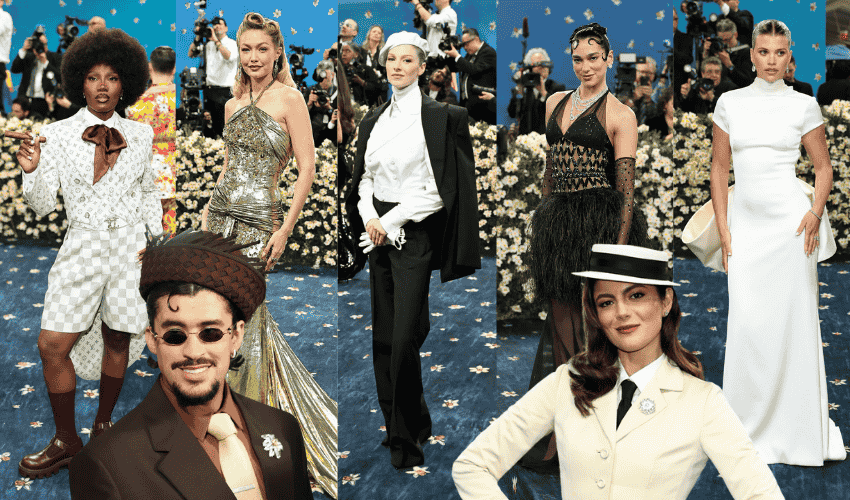
Doechii made her Met Gala debut in Louis Vuitton, pairing a logo-printed blazer with checkered shorts, a burgundy neck bow, and platform Mary Janes.
-
Gigi Hadid honored 1920s Black couturiers in a gold velvet Miu Miu gown with intricate crystal embroidery that referenced early 20th century craftsmanship.
-
Hunter Schafer chose a two-toned Prada ensemble combining traditional tailoring elements with contemporary styling, topped with a beret that nodded to historical Black activist fashion.
-
Dua Lipa appeared in Chanel, wearing a gown that merged structured corsetry with fluid drapery through pearls, crystals, and feather detailing.
-
Sofia Richie Grainge exemplified minimalist elegance in Tommy Hilfiger, wearing a high-necked white column with a dramatic cream satin bow detail.
-
Bad Bunny demonstrated the global influence of Black style in a brown Prada suit embellished with over 600 yellow crystals, complemented by a vintage-inspired jíbaro hat.
-
Monica Barbaro channeled 1950s Black tailoring traditions in Dior, combining an ivory silk Bar jacket with a full black tulle skirt.
Cultural Significance Beyond Fashion
The 2025 Met Gala transcended typical fashion celebration, serving as an educational platform highlighting how Black dandyism has historically used clothing as both personal expression and political statement. Through meticulous tailoring and thoughtful design references, celebrities and designers demonstrated fashion's power to preserve cultural heritage while pushing creative boundaries.
This year's exhibition and gala demonstrate fashion's evolving conversation around representation, with many attendees researching historical references to ensure their interpretations honored rather than appropriated Black style traditions.
As the night concluded, the Metropolitan Museum stairs stood as a living document of Black fashion's enduring influence—from structured suits and architectural gowns to subtle accessories that carried centuries of cultural significance.