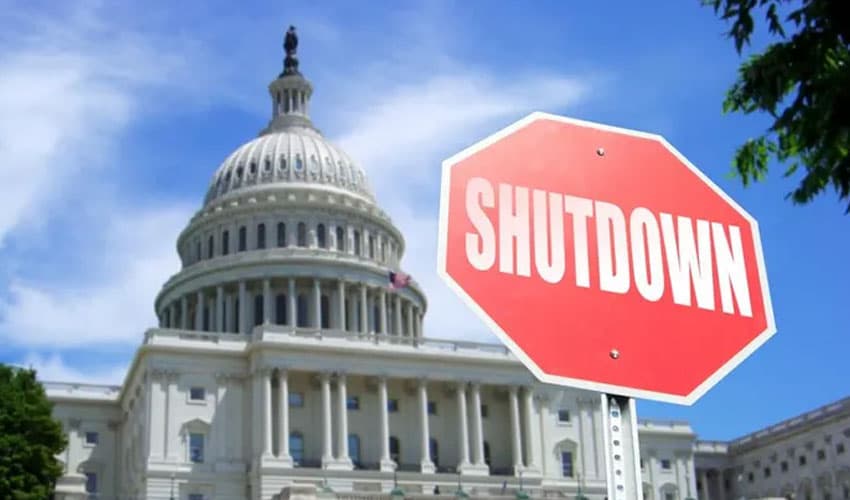
The U.S. Senate has taken a crucial step toward ending the longest government shutdown in the nation’s history.
A procedural vote on Sunday advanced a Republican-led funding measure, providing temporary relief for federal workers and essential programs.
In a 60-40 procedural vote, senators approved moving forward with a stopgap funding package aimed at reopening the government. The measure will fund parts of the federal government, including food aid and the legislative branch, through next year while keeping overall government operations running until January 30.
Eight Democrats broke ranks to support the bill, signaling a rare moment of bipartisan cooperation. The decision comes after weeks of legislative deadlock over funding priorities and healthcare subsidies under the Affordable Care Act (ACA).
Democrats break ranks on procedural vote
Democratic senators who voted in favor include Dick Durbin, Jeanne Shaheen, Maggie Hassan, Tim Kaine, John Fetterman, Catherine Cortez Masto, and Jacky Rosen. Independent Angus King also supported the measure.
Senate Democratic leader Chuck Schumer, however, opposed the measure, citing the lack of guaranteed ACA subsidy extensions. “We will not give up the fight,” Schumer said, emphasizing that healthcare remains a top Democratic priority.
Key provisions and protections
The bipartisan agreement funds critical government programs such as food assistance, veterans’ benefits, and legislative operations. Federal workers who had received layoff notices will be reinstated and reimbursed for lost wages, and protections against further reductions in force are in place until January.
Republicans have signaled a willingness to negotiate ACA tax credits after government funding is restored, though they are pushing for new eligibility limits and changes in subsidy distribution.
The 40-day closure has disrupted services nationwide. Airlines reported over 2,000 canceled flights and 7,000 delays on Sunday alone. Treasury Secretary Sean Duffy warned that air travel could be “reduced to a trickle” ahead of the Thanksgiving holiday if the government remains closed.
Food aid programs, including SNAP, were delayed, affecting tens of millions of Americans. In Washington, D.C., the Capital Area Food Bank reported a nearly 20 percent increase in meals provided to support unpaid federal workers and vulnerable residents.