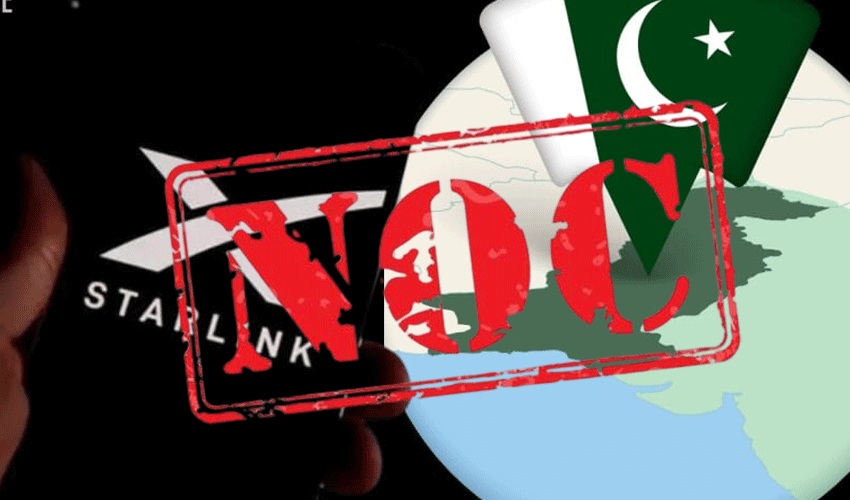
Starlink’s plans to launch satellite internet services in Pakistan have suffered another setback as its temporary registration with the Pakistan Space Activities Regulatory Board (PSARB) has expired, according to official sources.
The move has further delayed the licensing process for the global satellite internet provider, which is seeking approval to operate in the country.
Sources revealed that Starlink had been temporarily registered with PSARB on March 21, but was unable to secure permanent registration, which is a pre-condition set by the Pakistan Telecommunication Authority (PTA) for the issuance of an operational license.
“The temporary registration expired in June, and Starlink has not yet fulfilled the criteria for permanent approval,” a government source confirmed.
Starlink acknowledges regulatory setback
Representatives from Starlink have confirmed the expiration of their temporary registration and stated that the company is currently reviewing the matter internally before issuing an official response.
Also Read: Starlink finally gets NOC for Pakistan - Here’s when to get it
According to company insiders, Starlink is awaiting a clear policy framework from the Pakistani government regarding the commercial operation of satellite internet services before proceeding further.
On March 21, it was reported that the Pakistan Telecommunication Authority (PTA) had granted a No-Objection Certificate (NOC) to Starlink, marking a significant step toward the launch of the satellite-based internet service in Pakistan.
According to officials, the Pakistan Space Activity Regulatory Board had approved the issuance of the NOC, which was a mandatory requirement for Starlink to obtain a PTA license. The decision was made following the instructions of Prime Minister Shehbaz Sharif, highlighting the government’s commitment to expanding digital connectivity.
Starlink, which registered with the Securities and Exchange Commission of Pakistan (SECP), had applied for a telecom license on February 24, 2022. The case was later referred to the Ministry of IT for consultation in March 2022.




.jpg&w=256&q=75 "Holiday announced on July 22")