The Pakistan Peoples Party (PPP) has not yet finalized the name of its candidate for prime minister of Azad Jammu and Kashmir (AJK) despite the deadline passing for submitting a no-confidence motion.
The delay has prolonged political uncertainty as consultations continue between coalition partners.
Sources said the PPP had given the incumbent Prime Minister Chaudhry Anwarul Haq until 2 pm to resign, but he refused, declaring, “Those who have the numbers should bring a no-confidence motion”and that he would face it. He added that he “came alone but now has friends” and will continue to work “as long as he has the authority.”
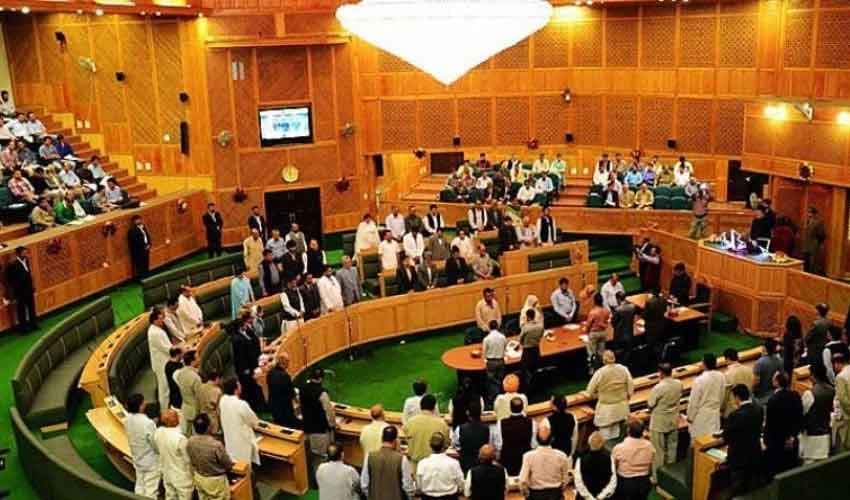
According to the rules of the AJK Assembly, a no-confidence motion must name an alternative candidate for prime minister at the time of submission — a factor delaying the move.
PML-N’s concerns delay PPP’s decision
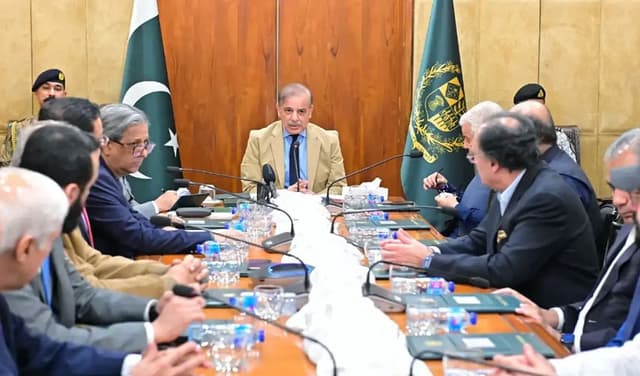
The PPP leadership is still consulting with the Pakistan Muslim League-Nawaz (PML-N) to address their reservations. An important PPP member who had reached Muzaffarabad was called back to Islamabad for further consultation.
The party leadership has decided to reconsider PML-N’s concerns before moving forward. Despite the delay, PPP sources claimed they have the support of 36 members in the Azad Kashmir Assembly — more than the required number for a successful vote.
Also Read: PPP secures majority to form AJK govt
The PPP is expected to announce its prime minister candidate today, with Chaudhry Yasin, Sardar Yaqoob, and Latif Akbar among the frontrunners. After consultations with the PML-N, these names were reviewed again.
PPP sources emphasized there is “no hurry” and that the PML-N’s decision not to join the government is “its democratic right.” The party insists it will move ahead “with consensus and stability.”
PTI moves to disqualify defectors
Meanwhile, the Pakistan Tehreek-e-Insaf (PTI) has entered the fray, deciding to file references against its defected members who joined other parties or plan to support the no-confidence motion.
PTI Azad Kashmir President Abdul Qayyum Niazi held consultations with Opposition Leader Khawaja Farooq Ahmed and has summoned the party’s legal team. According to sources, a reference will be filed under Section 30 of the Elections Act 2020, which allows disqualification of members who switch parties.
PTI had earlier sent a reference to the speaker against four members, including Akmal Sargala, Rafiq Nayyar, and Ali Shan Soni. Now, 12 members of the PTI forward bloc, who have joined the PPP, could face disqualification if they vote in the no-confidence motion.
Also Read: PPP to move no-confidence motion against AJK govt; PML-N to back
Legal experts noted that the situation would change significantly if the PM resigns instead of being removed through a no-confidence vote. A similar precedent was set before the 2021 elections when Sardar Mir Akbar of the Muslim Conference was disqualified by the High Court for joining the PML-N.
Power struggle, charge sheet against Anwarul Haq
Efforts to remove Prime Minister Chaudhry Anwarul Haq have entered their final stage, as both the PPP and PML-N unite against him. A detailed charge sheet has been prepared, citing multiple governance failures.
According to sources, the prime minister’s failure to consult cabinet members, his harsh attitude toward bureaucracy, and cutting development funds for ministers and assembly members were among the top complaints. His unilateral decisions and weak handling of public protests further deepened dissatisfaction within the coalition.
PML-N backs no-confidence but won’t join govt
Federal Minister Ahsan Iqbal confirmed that the PML-N will support the PPP’s no-confidence motion but will not join the new government. “We want prosperity for the people of Azad Kashmir and support the democratic process,” he said.
Meanwhile, PML-N leader Mushtaq Minhas clarified that if the AJK prime minister resigns, the party will not vote for the PPP candidate, though it will support the no-confidence motion if tabled. He said the PML-N had been trying to remove Anwarul Haq for the past six months due to governance concerns.