




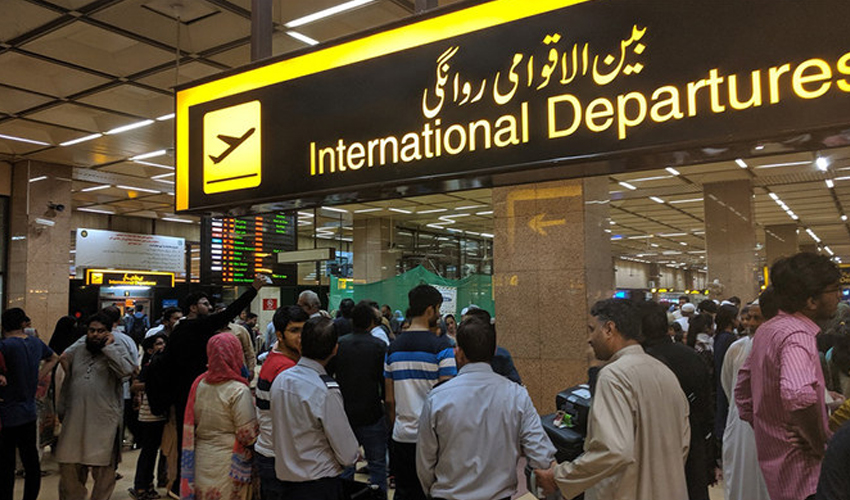
Despite the full restoration of Pakistan’s airspace following the ceasefire between Pakistan and India, flight operations across the country remain severely disrupted, with over 150 flights cancelled on Sunday alone due to lingering uncertainty and logistical challenges.
According to aviation sources, hundreds of passengers were affected as major foreign carriers cancelled around 125 inbound and outbound flights, further exacerbating the chaos.
On Sunday, a total of 45 flights were cancelled from Karachi, including 39 international flights, while 38 flights were cancelled from Lahore, with 32 being international.
In Islamabad, 40 scheduled flights were scrapped, including 36 international services. Smaller airports also saw disruptions, with 11 flights from Peshawar, 10 from Multan, and 6 from Sialkot cancelled. Meanwhile, over 25 flights managed to operate from Karachi, Lahore, Islamabad, Multan, Faisalabad, and Quetta, according to the official flight schedule.
The cancellation of these flights comes despite the fact that Pakistan's airspace had been officially reopened on Saturday, following a ceasefire agreement between Pakistan and India after days of military escalation along the Line of Control (LoC). The conflict had initially prompted the closure of Pakistan’s airspace on May 7, causing severe disruptions to both domestic and international air travel.
Aviation authorities had previously extended the airspace closure until noon on May 11, but after the ceasefire was declared, Pakistan's military and aviation officials swiftly reopened airspace, allowing for the resumption of flight operations. The Pakistan Airports Authority (PAA) confirmed the reopening, advising passengers to stay in touch with their respective airlines for updated flight schedules.
Despite this, the impact on travel remained far-reaching. The closure of the Rahim Yar Khan flight corridor, caused by partial damage to the airport during an Indian airstrike on Friday, continues to affect flight patterns. Major carriers, including those operating flights from Gulf countries, are being forced to reroute flights to cities like Quetta, leading to significant delays. A Notam issued by aviation authorities confirmed that the Rahim Yar Khan air route will remain closed until 5am on May 18, further extending the disruption.
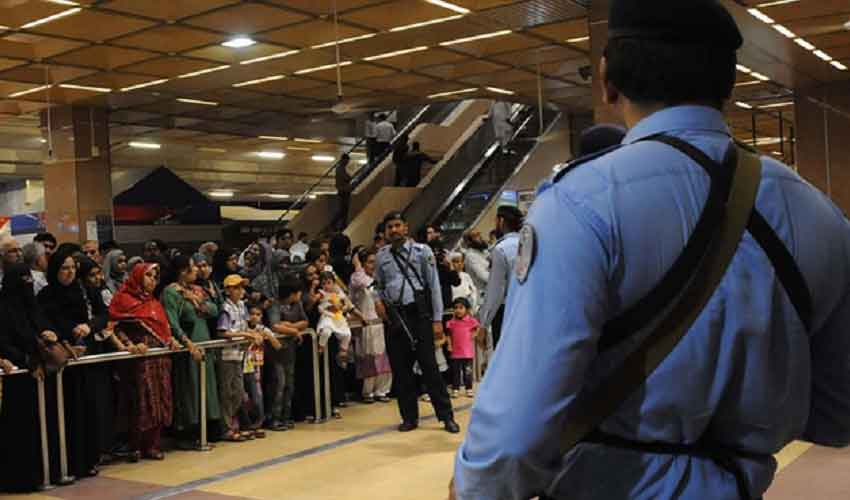
The repercussions are being felt particularly by international travelers, with many flights between Karachi, Lahore, and Islamabad being rerouted via Quetta. This has led to longer travel times and increased frustration for passengers stranded due to the ongoing logistical challenges.
Meanwhile, airlines are making efforts to sustain Hajj operations, ensuring the continuity of flights for the pilgrims despite the operational hurdles. The Pakistan Civil Aviation Authority (PCAA) has asked airlines to exercise caution in flight scheduling and has stressed the importance of staying in regular communication with passengers.
The aviation disruption follows a volatile period of military exchanges, which began on May 7, when India launched an unprovoked cross-border attack, resulting in the deaths of at least 31 civilians. Pakistan's military responded forcefully, downing five Indian Air Force jets, including three Rafale fighter planes. Tensions escalated throughout the week, with both countries exchanging fire across the LoC.
On May 10, US President Donald Trump announced a ceasefire agreement between the two nations, which was confirmed by both Pakistan and India. Pakistan's foreign minister hailed the agreement as a positive step, while India's foreign ministry announced that the ceasefire would take effect at 5pm Indian time (1130 GMT) on May 9. Despite this, the effects of the military operations have continued to reverberate in the form of air travel disruptions.