




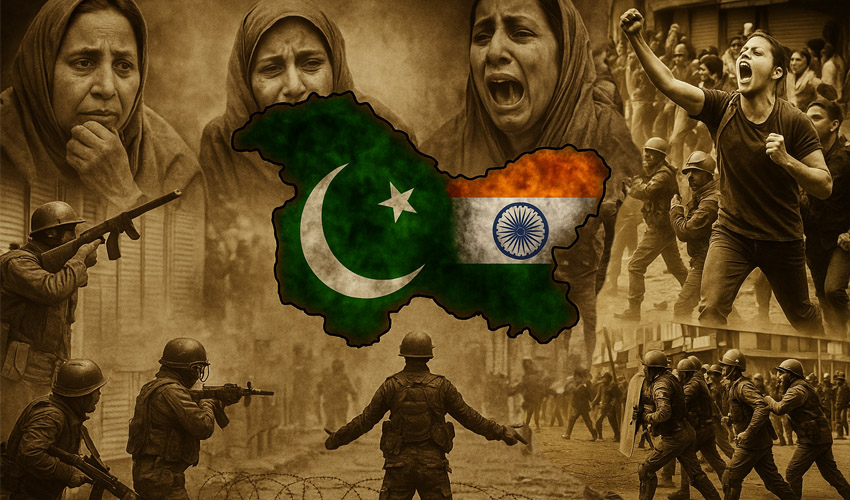
Pakistan’s founding father Quaid-e-Azam Mohammad Ali Jinnah stated in clear and unequivocal words that Kashmir is Pakistan’s jugular vein. It is not a metaphor but a reality. Pakistan and Kashmir are not two entities. They are one soul in two forms. Kashmir completes Pakistan, and vice versa — politically, geographically, and emotionally.
Seven decades have passed and three generations of Kashmiris have lived, fought, and died holding the green flag close to their hearts. Their message remains unchanged: we want accession to Pakistan. This is not just a slogan. It is a struggle for their right to self-determination — a right enshrined in UN resolutions but systematically denied by India.
The turning point came on August 5, 2019, when Indian Prime Minister Narendra Modi’s BJP government stripped Kashmir of its special status. It was a unilateral, unconstitutional move immediately rejected by Pakistan and Kashmiris alike. Since then, the valley has turned into an open prison. Human rights violations have skyrocketed and demographic engineering is underway. India is importing non-Kashmiris to change the population balance. It is colonialism by other means.
Let us not forget that India itself had internationalized this issue by going to the United Nations in 1948. The UN had then responded with resolutions that clearly stated that Kashmir’s future must be decided by its people. A ceasefire, troop withdrawal, and a free plebiscite. That is the legal roadmap and that is the only solution.
Now comes the twist. After the recent military escalation between India and Pakistan, US President Donald Trump offered to mediate. It was India that had asked for a ceasefire. Trump stepped in and made headlines globally with his statement. For Pakistan, this offer of mediation is no less than a trump card — a diplomatic opening we should not waste.
Pakistan has always called for peaceful resolution through talks. However, India runs from dialogue. They use excuses, delay tactics, and aggression to avoid accountability. In contrast, Pakistan has always supported Kashmiris politically, morally, and diplomatically. Now is the time to press forward.
The government must formally respond to Trump’s offer. Not through backdoor channels but through visible, official diplomacy. We should present a detailed dossier of Indian atrocities not only to the US but also to the UN secretary general. The world needs to see the evidence, with names, dates, images, and numbers.
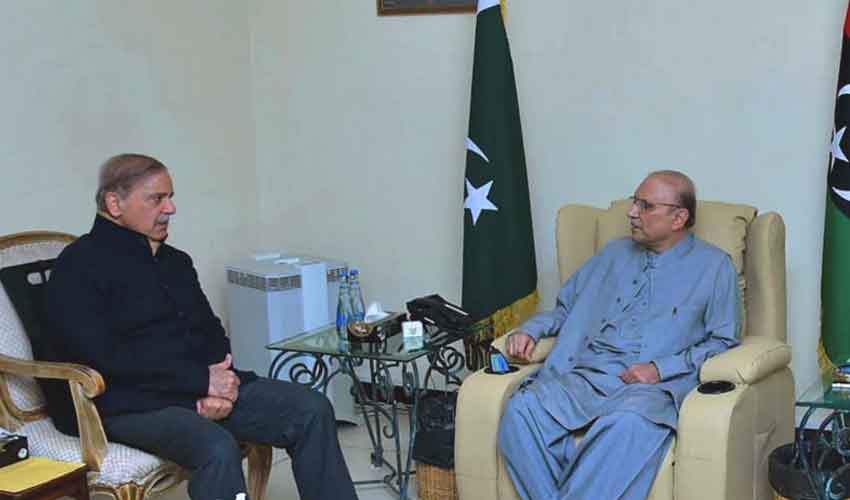
Prime Minister Shehbaz Sharif has already formed a special committee to lobby in Europe. Names like Bilawal Bhutto Zardari, Sherry Rehman, Hina Rabbani Khar, Khurram Dastgir, Musadik Malik, Tehmina Janjua, Faisal Sabzwari, and Jalil Abbas Jilani are members of the committee. However, this cannot be another round of symbolic meetings and speeches. It has to be action-oriented, targeted, and relentless.
President Trump, who has repeatedly been claiming credit for the ceasefire and subsequently preventing a nuclear conflict, must remember that this is only temporary. If the Kashmir dispute remains unresolved, the threat of war will always remain
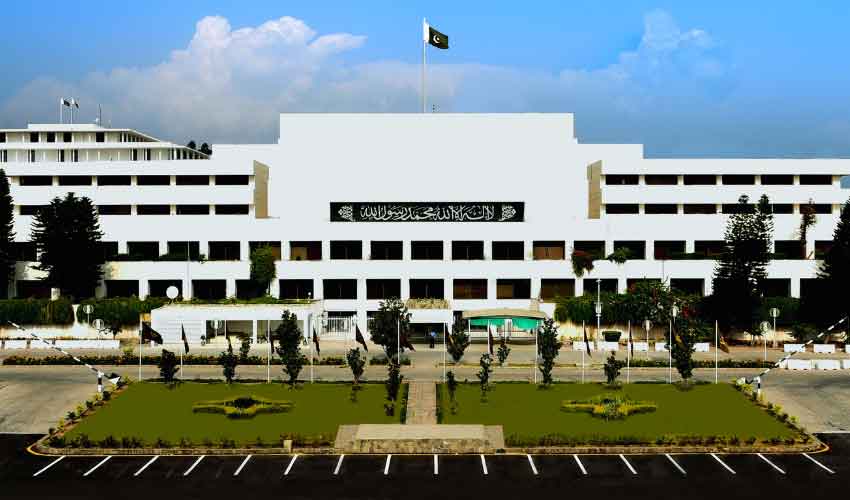
Similarly, Pakistan must intensify its efforts to highlight the Kashmir issue both domestically and internationally. The Foreign Office must brief all ambassadors stationed in Pakistan on the issue. Parliament should also be mobilized, and the Kashmir Committee chairman should bring together all political parties—including the opposition—since, despite differences on other issues, the entire nation stands united on the sovereignty, security, and the Kashmir cause. This is not about party lines. This is about Pakistan. National consensus is our biggest strength, so when the world sees unity, it listens harder.
Only aggressive strategy and effective diplomatic efforts on this issue will increase pressure on India, pushing it further on the back foot. Moreover, the US president must be reminded of his words, for which Prime Minister Shehbaz Sharif must take swift, decisive action. The US should not limit its role to a mere paper commitment; real diplomatic pressure should be exerted on Modi’s government. President Trump, who has repeatedly been claiming credit for the ceasefire and subsequently preventing a nuclear conflict, must remember that this is only temporary. If the Kashmir dispute remains unresolved, the threat of war will always remain.