





Pakistan and the International Monetary Fund (IMF) are set to commence virtual talks today to begin detailed discussions on the federal budget for the fiscal year 2025-26.
According to official sources, the initial phase of the discussions will be conducted online from May 14 to 16, after which the IMF delegation is expected to arrive in Islamabad, with policy-level talks likely to continue till May 23.
The consultations form part of Pakistan’s commitments under the Extended Fund Facility (EFF), as the government seeks to finalise new fiscal targets in agreement with the global lender. These talks are seen as critical ahead of the July 1 start of the new fiscal year.
RELATED: Pakistan to brief IMF on defence budget amid India tensions
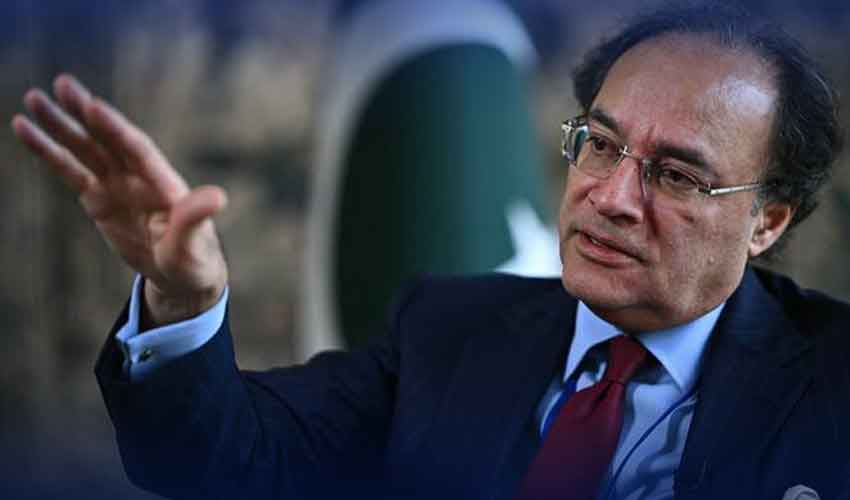
Finance Minister Muhammad Aurangzeb, in an earlier statement, said the federal budget would be finalised within the next three to four weeks, and that talks with the IMF would centre on setting a credible fiscal path, expanding the tax base, and undertaking key structural reforms.
Key proposals under review
Officials privy to the budget planning process say that the total volume of the upcoming federal budget may reach Rs 18,000 billion, reflecting both rising expenditures and the need for greater fiscal consolidation.
Among the significant proposals under discussion:
-
Rs921 billion allocation proposed for development projects in the next fiscal year.
-
A 15–18% increase proposed in allocations for defence needs.
-
A proposal to set the Federal Board of Revenue (FBR) tax target at over Rs 14,000 billion, amounting to 11% of GDP.
-
The fiscal deficit target is proposed at 5.1% of GDP, or Rs 6,700 billion.
-
A primary surplus of 1.6% of GDP is also being targeted.
For context, the FBR’s original tax target for the current fiscal year was Rs 12,970 billion. However, the revised estimates show a shortfall of Rs 830 billion in the first ten months.
Focus on reforms, tax expansion
During the course of the talks, the IMF will be briefed on several reform areas, including:
-
The ongoing privatisation efforts, institutional restructuring, and right-sizing of government departments.
-
Tax reforms to broaden the base, including integrating traders into the tax net, expanding the track-and-trace system, and implementing compliance risk management frameworks.
-
Improvements in the energy sector and efforts to address circular debt.
-
Enhanced non-tax revenue, including from the petroleum levy.
-
The government’s drive to document the informal economy and reduce leakages.
Officials say the goal is to assure the IMF of Pakistan’s commitment to continuing with structural reforms, especially under the EFF programme, as the country looks to stabilise its macroeconomic outlook and gain access to future IMF tranches.
Sources have indicated that the IMF mission’s arrival in Islamabad was delayed by a week due to unspecified security-related considerations, though the lender has agreed to start technical-level talks virtually.
Policy-level negotiations will follow upon the team's arrival, during which budget targets and reforms will be finalised through mutual consultation.