




More than 200 flights were cancelled and operations at at least 18 airports were suspended across India on Wednesday.
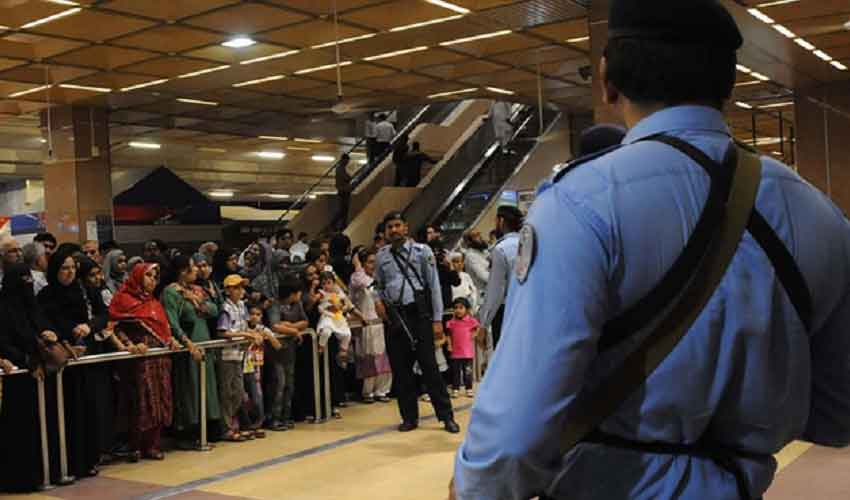
The disruption in civil aviation affected both domestic and international carriers, with major Indian airports — including Srinagar, Leh, Amritsar, and Chandigarh — temporarily shut amid heightened security protocols. Delhi’s Indira Gandhi International Airport, the country’s busiest, saw over three dozen flights disrupted between midnight and Wednesday morning.
IndiGo, India’s largest carrier, bore the brunt of the cancellations, grounding around 165 flights. “We are anticipating changes across our network,” the airline said in a statement on X (formerly Twitter), advising passengers to check live flight status before travelling.
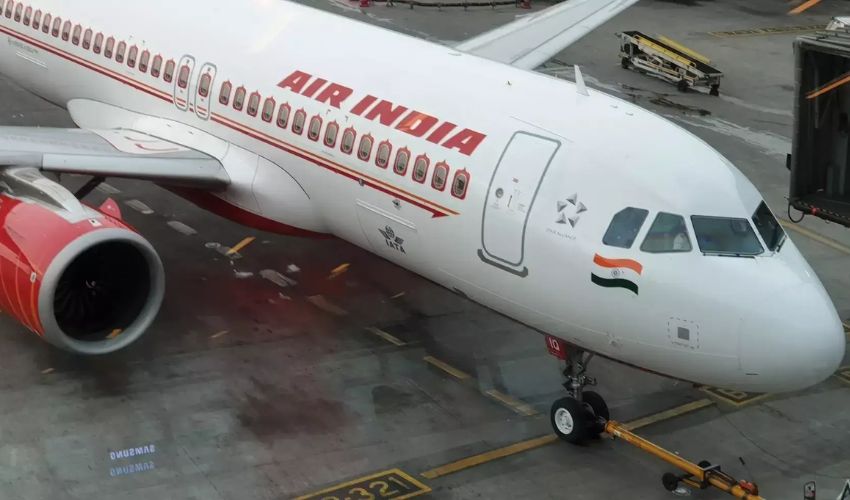
Air India, Air India Express, SpiceJet, Akasa Air and Star Air also suspended services to several northern and western airports, including Jammu, Jodhpur, Bhuj, Dharamshala and Jamnagar, in line with directives from Indian aviation authorities.
Air India announced that it had suspended flights to and from nine airports — Srinagar, Jammu, Leh, Jodhpur, Amritsar, Bhuj, Jamnagar, Chandigarh and Rajkot — until at least 5:29 am on May 10. The airline is offering full refunds or one-time rescheduling waivers to affected passengers.
Low-cost carrier SpiceJet confirmed it had cancelled operations to and from key cities such as Leh, Srinagar, Jammu, Dharamshala, Kandla, and Amritsar. Akasa Air also suspended all Srinagar-bound flights, while regional airline Star Air halted services to Nanded, Hindon, Adampur, Kishangarh, and Bhuj.
The impact of India’s military action and the subsequent airspace restrictions reverberated internationally. United States-based United Airlines cancelled its Delhi-bound flights, citing “operational constraints” amid rising tensions in the region. “We continue to monitor the situation closely and will adjust our operations as necessary,” the airline said in a statement.
Qatar Airways also suspended flights to Pakistan, following Islamabad’s decision to close its airspace temporarily in response to the Indian strikes. Pakistani authorities have not yet issued a timeline for reopening the airspace.
Bengaluru’s Kempegowda International Airport, located in India’s south, issued a public advisory on Wednesday morning, confirming flight cancellations due to “prevailing airspace restrictions”. Passengers were advised to confirm their flight status with respective airlines before arriving at the airport.
The Delhi International Airport Ltd (DIAL), the operator of IGI Airport, acknowledged disruptions and warned of continued cancellations owing to “changing airspace conditions”. A total of 35 flights were impacted at Delhi Airport alone, including 23 domestic departures, eight arrivals, and four international flights.
Industry observers noted that Wednesday’s aviation disruption was one of the most extensive in recent years, second only to the post-Balakot strike scenario in 2019, when Indian and Pakistani airspace closures affected global air routes for several weeks.
The Indian government has not issued an official statement regarding the strikes, but multiple sources confirmed that Operation Sindoor targeted “terror infrastructure” across the Line of Control. The Ministry of Civil Aviation has not clarified how long the current restrictions will remain in place.
Aviation experts warn that a prolonged closure of northern Indian airspace could severely impact global flight paths and cause ripple effects across Asia and Europe.