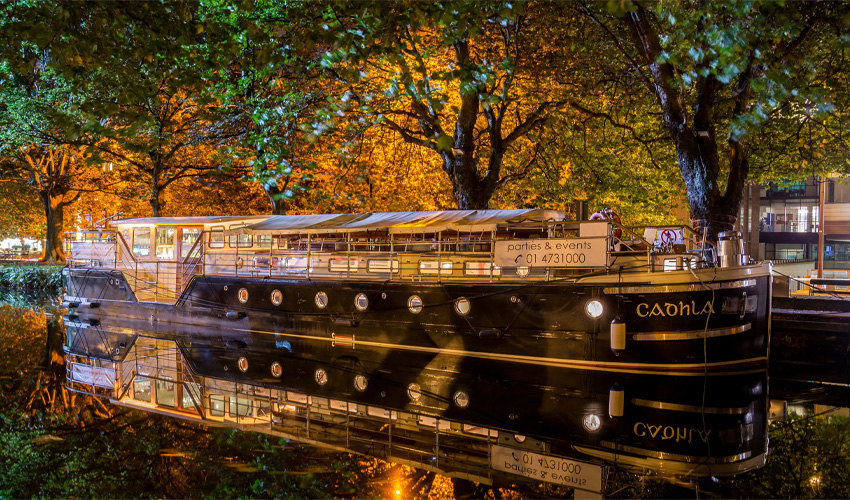






Wooden dhows lined the Doha seashore in tribute to a time-honoured maritime tradition, as Qatar hosted the 11th edition of the Senyar festival, casting light upon its seafaring legacy.
Men donned customary white t-shirts and towels aboard the anchored vessels, having returned from the sea after four days of line-fishing during a week-long celebration.
Naval officer Mohammed al-Hail, a competitor, described his emotional return to land at Katara Cultural Village. “The feeling was amazing,” said Hail, as he embraced friends and family upon arrival. “As soon as we finished... here and there we saw our friends.”
Nearby, children clad in white thobes stood dwarfed beside three glistening specimens, each weighing nearly 10 kilograms, strung high for eager onlookers under the midday sun.
Fifty-four teams had assembled for the event, relying solely on handheld fishing lines while spending successive days at sea aboard dhows — wooden boats that had navigated Qatar’s Gulf waters for generations.
Organisers awarded prizes for the largest catch, although the highest honour was granted for number, quality and diversity of fish, prioritising prized varieties such as hamour and kingfish within a points-based scoring system.
Long before Qatar’s wealth emerged from oil and gas, the nation, like much of the Gulf, had depended on pearl-diving and fishing until the 1920s, when the influx of artificial pearls reshaped its economy.
Despite industrial shifts, figures like Hail and his teammate Mohammed al-Mohannadi remained devoted to preserving the legacy. “I feel good but I am not very happy about my result because I hoped to take first,” said Mohannadi. “But God willing next competition... we’ll have a good result.”
Four days prior, vessels had scattered across Gulf waters five kilometres south of Doha’s desert outskirts.
Onboard the "Lusail" boat, the director of operations for Lusail city, Yousuf al-Mutawa, shared insight into the timing of their effort. “When the wind comes down, the big fish come up,” said Mutawa, whose twelve-man team had joined for the second consecutive year.
Mutawa said his father, once a trader aboard a wooden dhow before the 1940s, had transported provisions between Qatar and Kuwait. “Taking some food from there and bringing it here,” he said.
He added that high winds eventually wrecked the boat, prompting his father to enter Qatar’s nascent oil sector.
“If you saw 100 years back how they were eating... it was difficult for them,” said Mutawa, who hoped his sons would return to the festival in future editions.
From the United Arab Emirates, Dubai real estate manager Ali Almulla had travelled to participate aboard the Lusail team for a second year. “I came here to participate in the local traditional fishing. I’d say that’s fun for us. It’s nice to be with friends. It’s good company,” said the 35-year-old.
Almulla expressed a desire to educate younger generations about the past. “It’s good to have the younger generations... aware of what our grandfathers did back then,” he said.
Almulla traced his seafaring lineage across generations. “We got that from our father, and my grandfather and so on. My grandfather actually used to dive for pearls,” he said.
He stated that he took part in sports fishing tournaments across the Gulf, including modern and traditional formats such as the Senyar festival. “Winning is nice, but we are here to enjoy,” he added.