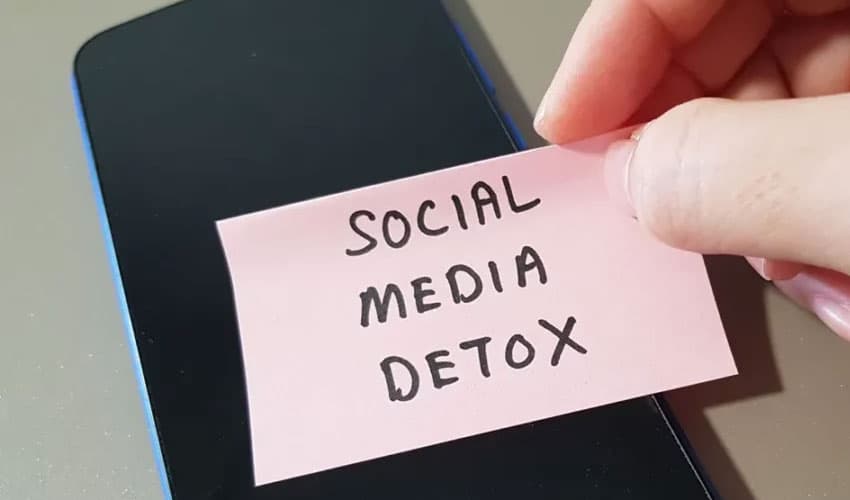
A new study has revealed that cutting back on social media use for just one week can bring noticeable improvements in young people’s mental health.
Researchers found significant drops in anxiety, depression, and sleep problems among participants who reduced their screen time.
In today’s digital world, social media has become a constant presence in the daily lives of teenagers and young adults. From staying in touch with friends to consuming news and stressful content, everything appears on a single screen.
Experts say this nonstop exposure has raised growing concerns about its impact on emotional well-being.
Researchers monitored 295 young people aged 14 to 24. These participants cut down their social media use from nearly two hours a day to just 30 minutes.
After one week, they were surveyed to measure changes in their mental health.
Key findings
The findings were striking. Symptoms of anxiety dropped by 16%, depression decreased by around 25%, and insomnia improved by 14.5%.
The improvement was even more noticeable among participants who had previously experienced severe depression.
Despite the overall positive results, one area remained unaffected: loneliness. The study noted that even with reduced screen time, feelings of loneliness persisted among the young people observed.
This indicates that while social media reduction helps ease emotional distress, it may not directly influence deeper social or psychological factors.
Experts note that reducing social media use is beneficial, but it should not be treated as the only solution for mental health concerns. They stress the importance of comprehensive treatment approaches tailored to individual needs.
The study was co-authored by Dr. John Turets, an associate professor of psychiatry at Harvard Medical School.