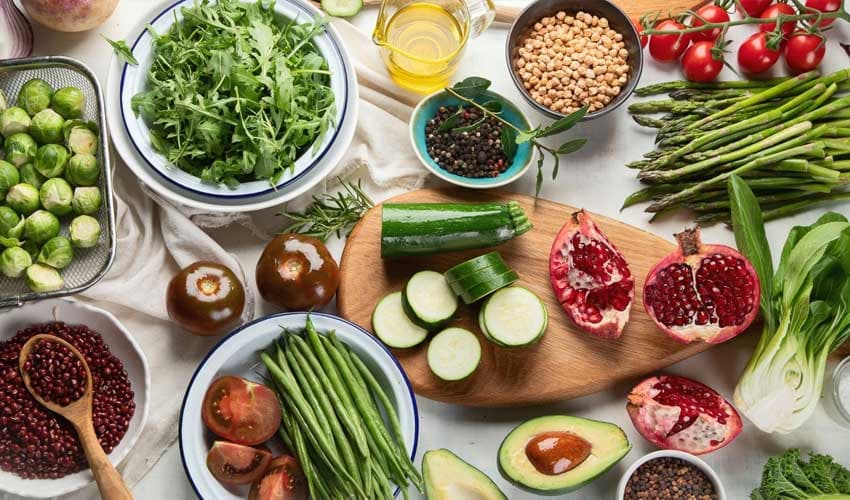
Seasonal vegetables form a vital part of a healthy diet in winter, as they offer nutrients that support immunity and help the body remain well during cold months.
A selection of winter produce can raise resistance to common illnesses and strengthen overall health. Spinach stands out as a top leafy vegetable rich in iron, a factor that supports the immune system and lowers the risk of winter ailments. It also contains strong antioxidants that protect cells from damage and reduce inflammation, which makes it a valuable part of winter meals.
Butternut squash supplies vitamin A and fibre, both of which aid digestive health and reinforce immunity. Antioxidants in this vegetable safeguard cells and reduce inflammation, and the vegetable suits soups and stews during winter.
Carrots contain vitamin A, a nutrient that supports eye health and strengthens immunity. Antioxidants in carrots help the body resist colds and flu, which places this vegetable among essential choices for healthy winter diets.
Kale offers vitamins A, C and K, which assist immune and bone health. It also holds strong antioxidants that defend the body from cell damage and reduce inflammation, a feature that makes it a staple winter vegetable.
Sweet potatoes provide vitamin A and fibre and aid digestion while supporting immune function. Their antioxidant content protects the body from inflammation and cell damage, which makes them a useful addition to winter food.
Brussels sprouts serve as a strong source of vitamin C and fibre and help the immune system and digestion. They also contain antioxidants that protect cells and limit inflammation, which places them among necessary winter vegetables.
The chief benefit of these seasonal vegetables lies in their supply of key nutrients that support immunity and help the body remain well throughout winter. Their vitamins, minerals, fibre and antioxidants aid the body in its response to health challenges linked to cold weather.