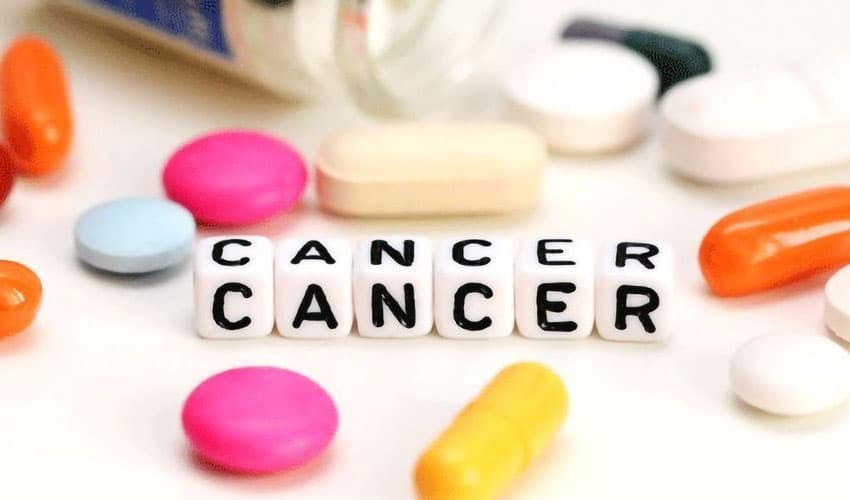
A severe shortage of cancer medicines in Punjab’s government hospitals has left around 6,000 registered patients in distress.
Essential drugs for blood cancer and long-term treatment are unavailable, forcing many patients to discontinue therapy.
Families say they are being pushed toward costly private purchases they cannot afford
Government hospitals in Punjab are facing an acute shortage of life-saving cancer medicines, disrupting treatment for thousands of low-income patients. The scarcity has been reported in Lahore and other major districts where the oncology units depend entirely on government-supplied medication.
Doctors and patient attendants say the situation has worsened in recent weeks, leaving hospitals unable to dispense regular doses needed to control disease progression.
One of the most critical shortages is of Ruxolitinib, a frontline medicine for blood cancer patients. Without it, doctors warn that patients who were previously stabilised risk rapid deterioration.
Another essential drug, Everolimus, prescribed for certain types of cancer including kidney and breast cancers, is also unavailable in government hospitals.
Health officials had earlier approved the procurement of Nilotinib, a long-term therapy medicine for chronic blood cancer. However, despite the purchase, the supply has not reached hospitals. This gap has left hundreds of patients confused and anxious, with no clarity on when treatment will resume.
Six thousand patients waiting for treatment
According to hospital officials, nearly 6,000 cancer patients registered in government hospitals are now without proper care. Many of them come from low-income backgrounds and rely entirely on free treatment offered by the public sector.
Due to the unavailability of medicines, patients say they have been forced to buy drugs from private pharmacies, where prices are far beyond their reach. Families report skipping doses or splitting medicines to make them last longer.
The free supply of life-saving cancer medicines began during the tenure of former chief minister Shehbaz Sharif. The initiative helped thousands of blood cancer patients stay on long-term therapy without financial burden.
Patients now fear the collapse of this support system as hospitals continue to report stockouts without replacement.