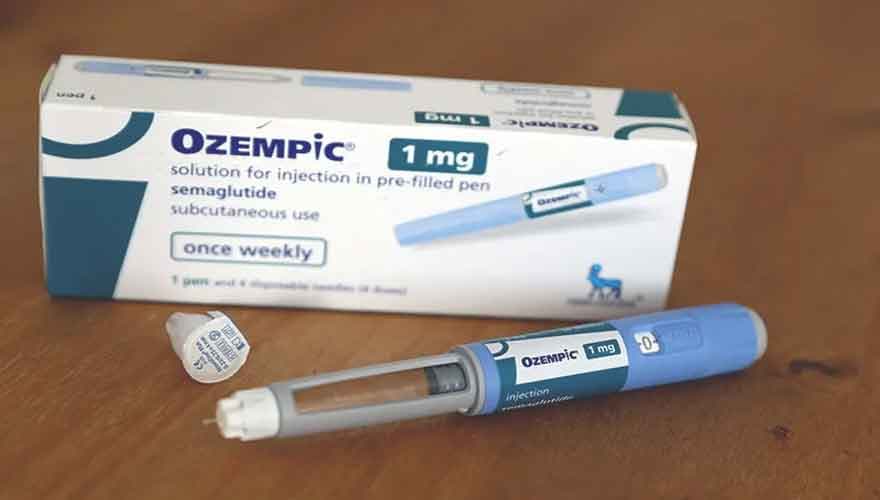
An independent Danish body has ruled that four people who developed serious eye conditions after using popular weight-loss and diabetes drugs Wegovy and Ozempic are entitled to compensation.
Over 40 individuals had applied for reimbursement, claiming they suffered from a serious eye disorder linked to the drugs, both manufactured by Novo Nordisk, the Danish Patient Compensation Association said.
The condition, non-arteritic anterior ischemic optic neuropathy (NAION), occurs when the optic nerve receives insufficient blood supply, potentially leading to permanent vision loss.
So far, the association has assessed five cases and determined that four patients qualified for compensation.
“It’s unfortunate for the patients affected by this side effect. NAION is a serious condition that causes permanent and irreversible damage to vision,” said Karen-Inger Bast, director of the association. She added that evaluating the cases was challenging due to the drugs being new and the patients already having a higher risk of developing NAION.
The four patients are set to receive a total of 800,000 kroner ($123,000), with the potential for increased compensation depending on the long-term impact of the condition, such as limitations on their ability to work.
In Denmark, medical compensation is generally administered by health authorities. Last year, the Danish Medicines Agency requested a European medical watchdog to review a study linking semaglutide—the active ingredient in Wegovy and Ozempic - to NAION.
In June, the Pharmacovigilance Risk Assessment Committee (PRAC) concluded that NAION is a “very rare” side effect, occurring in up to 1 in 10,000 users.
Novo Nordisk said it had reviewed the Danish compensation decision. In a statement to AFP, the company noted that patient leaflets for all semaglutide products now include NAION as a “very rare” side effect, while maintaining that the overall benefit-risk profile of the drug remains favourable.