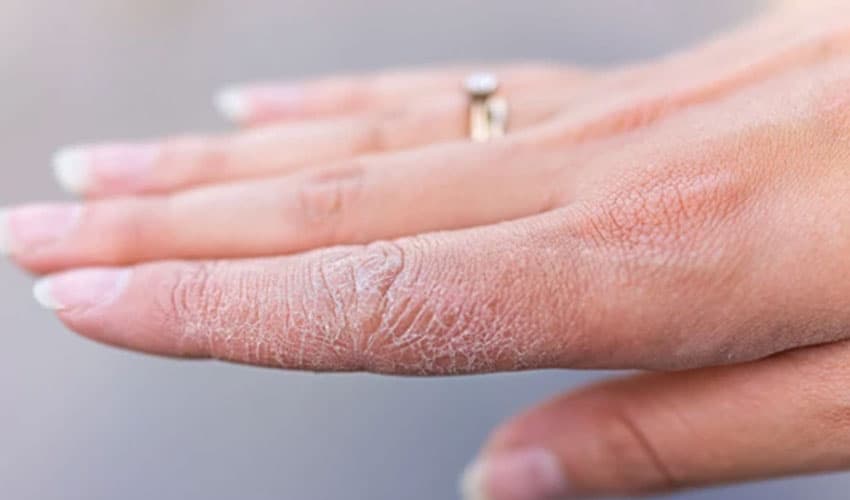
As soon as winter sets in, many people notice their skin becoming dry, hard, and rough. The drop in temperature and humidity plays a major role — but the problem runs deeper than just cold air.
To understand why skin becomes dry in winter, it’s important to know how the skin is built. The skin has three main layers. The innermost layer contains fat, which helps store energy. Above it lies the dermis, where blood vessels, nerves, sweat glands, and hair roots are found.
The outermost layer is the epidermis — the main protective shield of the skin. This is where dryness occurs. It’s made up of several layers of cells. Living cells rise from the lower part of the epidermis, eventually die, and shed from the surface. This natural cycle, which renews the skin roughly once a month, can lead to roughness and dryness when moisture levels drop.
Why the skin dries out in winter
When cold air blows, moisture evaporates quickly from the skin’s surface. This leads to a loss of hydration, making the skin feel tight, hard, and flaky. While climate change is a key factor, indoor heating and long hot showers can also strip away the skin’s natural oils, worsening dryness.
Simple ways to prevent dry and rough skin
To protect your skin during winter, experts suggest a few simple steps:
-
Use lukewarm water: Avoid hot baths, as they can dehydrate the skin.
-
Keep baths short: Prolonged contact with water removes natural oils.
-
Apply moisturizer immediately after cleansing: This helps lock in moisture.
-
Use a humidifier indoors: This electrical device adds moisture to the air, helping prevent skin dehydration.
These small lifestyle changes can help maintain the skin’s natural softness and prevent it from becoming dull or rough.
If symptoms such as severe itching, cracks, or bleeding appear, it may not just be a seasonal issue. Such signs could indicate a skin condition requiring medical attention. In that case, consulting a dermatologist is strongly advised.