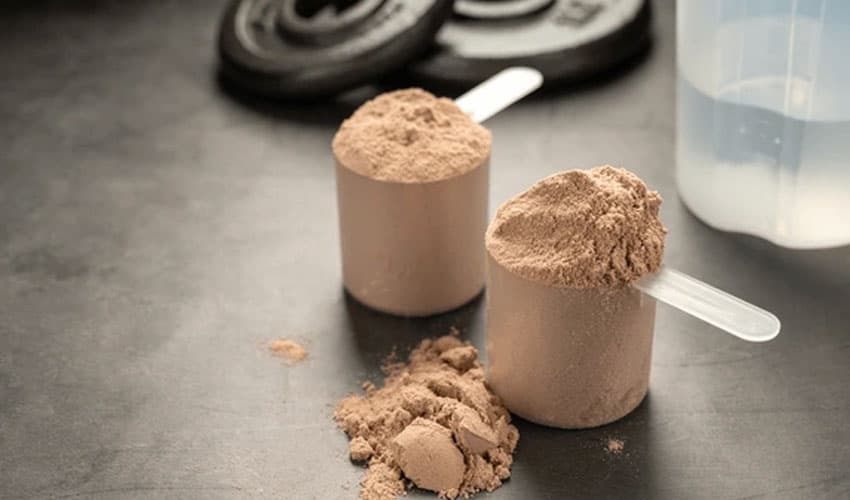
A recent study has raised alarms for fitness enthusiasts and health-conscious consumers. Consumer Reports tested 23 popular protein powders, drinks, and shakes—finding that most contained dangerous levels of lead, far above the recommended safety threshold.
According to the study, more than two-thirds of the tested protein products contained over 0.5 micrograms of lead per serving, surpassing the safe limit for consumption.
Researchers found that plant-based protein powders had the highest lead levels—recording 7.7 micrograms per serving, while other protein powders contained 6.3 micrograms per serving.
Experts highlighted that some of these products contained lead levels more than 10 times the safe daily limit, potentially doubling the maximum intake considered safe by health authorities.
Plant-based powders top list for lead contamination
While plant-based proteins are often marketed as healthier alternatives, the findings suggest otherwise. Experts explained that lead naturally occurs in plant ingredients, making contamination more likely in these products.
Despite manufacturers claiming that they test protein powders, drinks, and shakes for heavy metals, the study suggests that actual lead levels tell a different story.
Health risks from long-term exposure
Experts warned that occasional consumption of protein products with higher lead levels may not pose immediate danger. However, prolonged or regular use can be harmful, particularly for children and women of childbearing age.

Excessive lead exposure can affect brain development, kidneys, the heart, and reproductive health. It can also weaken bones and cause long-term organ damage.
The study also noted that consumers should be cautious with chocolate-flavored protein powders, as cocoa is naturally high in lead. This adds another layer of risk for people who regularly consume such products.
Experts advised meeting daily protein needs—0.8 to 2 grams per kilogram of body weight—through natural food sources instead of supplements.
Safer alternatives to protein powders
According to health experts, whole foods such as eggs, milk, fish, and legumes are safer and more balanced sources of protein. These foods not only provide protein but also avoid the risk of lead contamination found in many commercial powders and shakes.
They particularly recommended that children, elderly individuals, and pregnant women avoid protein supplements and rely on natural dietary sources for their daily nutritional requirements.
Lead is a heavy metal that can be found in various everyday materials, including paint, pipes, gasoline, batteries, and even toys. It also occurs naturally in some herbs, fruits, and plant-based ingredients used in dietary supplements.
When consumed in unsafe amounts, lead can damage the respiratory tract, esophagus, and skin, contributing to a wide range of health complications.