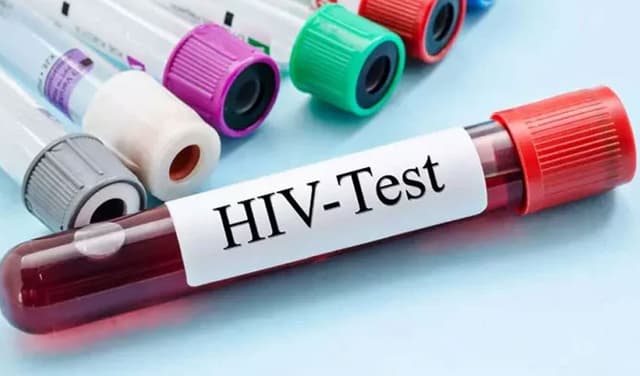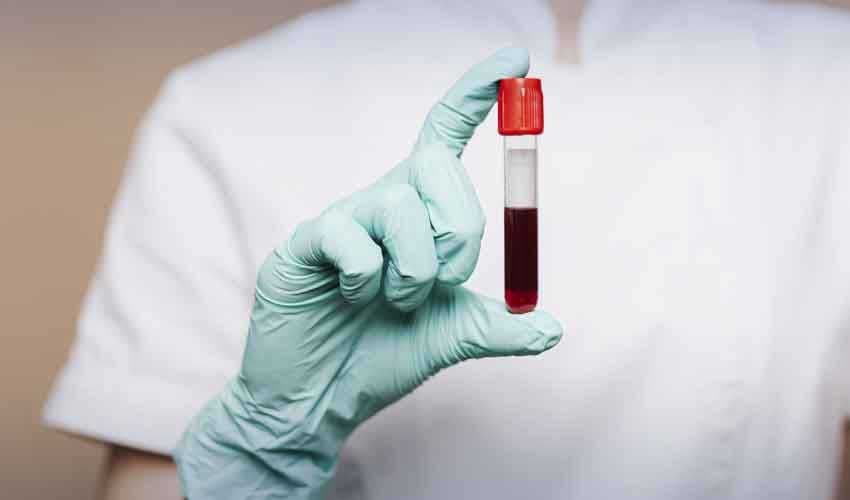
A blood test capable of detecting more than 50 types of cancer has shown promising results in a large trial across North America, raising hopes of faster and earlier diagnoses.
The trial, which followed 25,000 adults in the United States and Canada over a year, found that the test was able to identify a wide range of cancers, including many for which no screening programmes currently exist. Three-quarters of the cancers detected were of types without established screening, such as ovarian, liver, stomach, bladder and pancreatic cancers.
More than half of the cancers were detected at an early stage, when treatment is more likely to be successful. In addition, the test correctly ruled out cancer in over 99 per cent of those who tested negative.
Known as the Galleri test, and developed by US firm Grail, the method detects fragments of cancerous DNA shed by tumours into the bloodstream. It is currently being trialled by the NHS.
Among those who received a positive test result, cancer was later confirmed in 62 per cent of cases. In nine out of ten of these, the test also correctly identified the location of the cancer.
Lead researcher Dr Nima Nabavizadeh, associate professor of radiation medicine at Oregon Health & Science University, said the findings could bring a fundamental shift in cancer screening by detecting disease earlier, when the chances of successful treatment or even cure are greatest.
When combined with existing screening programmes for breast, bowel, lung and cervical cancers, the test increased the number of cancers detected seven-fold.
While the early results are encouraging, experts who were not involved in the study have called for more evidence to determine whether the test will ultimately save lives.
Clare Turnbull, professor of translational cancer genetics at The Institute of Cancer Research, London, said that data from randomised studies with mortality as an endpoint would be essential to establish whether earlier detection through Galleri leads to a reduction in cancer deaths.
The main findings are to be presented at the European Society for Medical Oncology congress in Berlin on Saturday. However, the full results have not yet been published in a peer-reviewed journal.
Further clarity is expected from a three-year NHS trial involving 140,000 participants in England. The outcome is due next year. If successful, the NHS has indicated that the test could be offered to up to one million more people.
Sir Harpal Kumar, president of biopharma at Grail, described the results as “very compelling”. Speaking to "BBC Radio 4’s Today" programme, he said most cancer deaths occur because diagnoses are made too late, and the aim is to shift to earlier detection, when treatment is more effective and potentially curative.
However, Naser Turabi of Cancer Research UK warned that more research is required to avoid the risk of overdiagnosing cancers that may not have caused harm.
He said the UK National Screening Committee would play a key role in assessing the evidence and deciding whether the test should be adopted by the NHS.