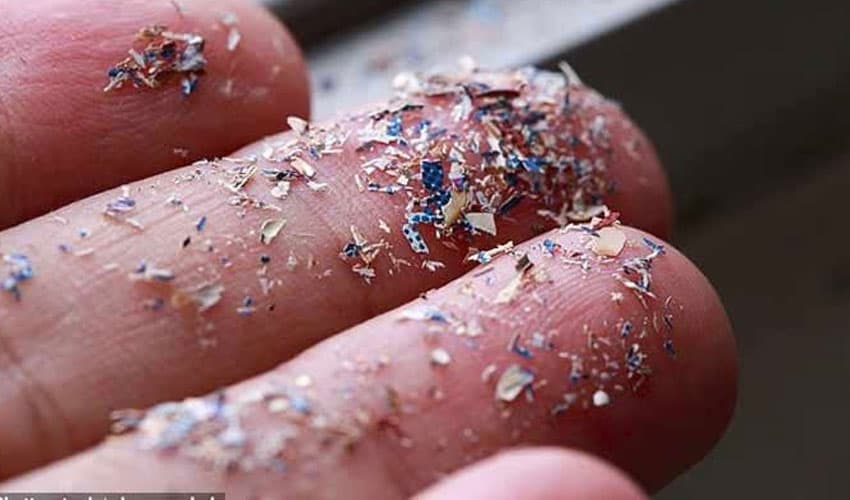
In a landmark study, Austrian scientists have revealed that microplastics commonly found in food packaging may damage the human gut and raise the risk of bowel cancer and depression — the first research to confirm such effects in human samples.
Researchers from Austria examined waste tissues from healthy volunteers and found that microscopic plastic particles can alter microbial activity inside the intestines. Some of these changes showed the same biological patterns previously linked to bowel cancer and depression, raising fresh concerns about the widespread impact of microplastic exposure.
“This is the first human study to show that microplastics can change the gut microbiome,” the researchers said, calling the results a wake-up call for global health authorities.
How tiny plastics enter and affect body
Microplastics are plastic particles smaller than two micrometers—roughly two-thousandths of a millimeter. These particles form when everyday plastic products break down in the environment and eventually contaminate food, water, and even air.
Once inside the body, they interact with the intestinal lining and gut bacteria, potentially disrupting key biological processes that support digestion and mental well-being.
In recent years, studies have detected microplastics in human lungs, blood, breast milk, and even placental tissue, confirming that these pollutants are almost impossible to avoid in modern life.
Experts warn of widespread exposure
Lead author Christian Pascher-Deutsch, a microplastic researcher at the University of Graz, said the findings are alarming because microplastics are so deeply integrated into our everyday environment.
“Microplastics have been found in fish, salt, bottled water, and even tap water,” he noted. “That means most people are absorbing them every day through food, breathing, and skin contact.”
Pascher-Deutsch emphasized that while it’s too early to make definitive medical claims, the evidence clearly shows that microplastics can influence the human microbiome, which plays a crucial role in digestion, immunity, and mental health.
Why findings matter
The gut microbiome — a community of trillions of microorganisms in our intestines — is vital for maintaining physical and psychological balance. Disturbances in this system have been linked to conditions such as inflammatory bowel disease, obesity, and depression.
This study adds a new layer of concern: that everyday exposure to microplastics might gradually shift our gut health in harmful ways.
Experts describe the research as an “important first step” in understanding how environmental pollution may directly influence human diseases.
While the study does not confirm that microplastics directly cause cancer or depression, scientists agree that the findings warrant deeper investigation. Understanding the long-term effects of plastic pollution on human health is now a growing scientific priority.
Researchers suggest more studies on how microplastics interact with gut bacteria and human cells, and how these interactions might trigger inflammation or genetic changes linked to serious diseases.