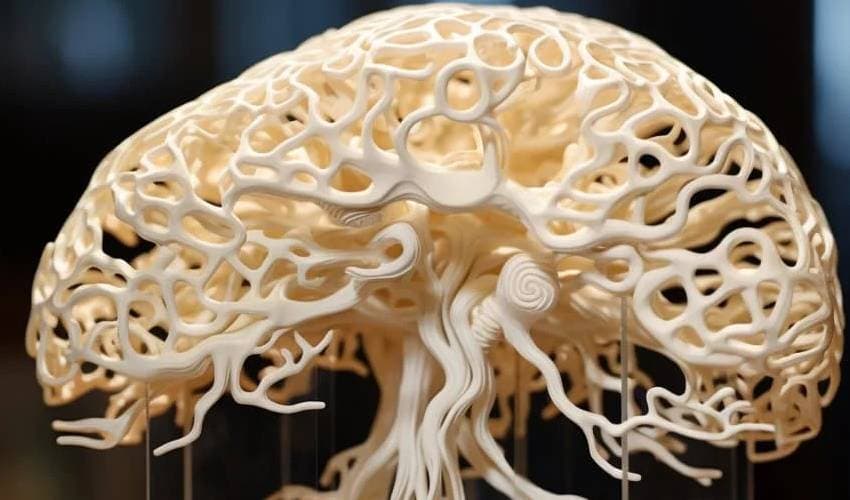
A new study has shed light on why humans are more likely to avoid risks than chase opportunities, revealing that the brain reacts more strongly to the threat of loss than the prospect of gain.
Published on a leading medical website, the research shows that a part of the brain called the amygdala plays a central role in this behavior. Acting like an internal alarm system, the amygdala becomes highly active when a person senses potential harm, immediately signaling danger.
How the brain responds to loss
According to the study, when faced with the possibility of loss, neurons in the brain alter their behavior, making a person more cautious and less impulsive. Instead of rushing into decisions, individuals are more likely to pause, evaluate, and minimize risk.
In contrast, the brain shows a weaker response to potential rewards, which explains why many people miss out on profitable opportunities but work hard to avoid setbacks.
Wider implications
Experts say the findings not only help explain personal decision-making patterns but also extend to economic and social behavior. For instance, many people shy away from financial investments due to fear of loss, even when the chance of gain is higher.
Psychologists also note that understanding this mechanism could prove useful in areas such as mental health treatment, education, and training, where precautionary behavior often plays a key role.
Researchers believe these insights could help policymakers, educators, and healthcare professionals better understand how humans make choices under pressure — and why fear often outweighs opportunity in everyday life.