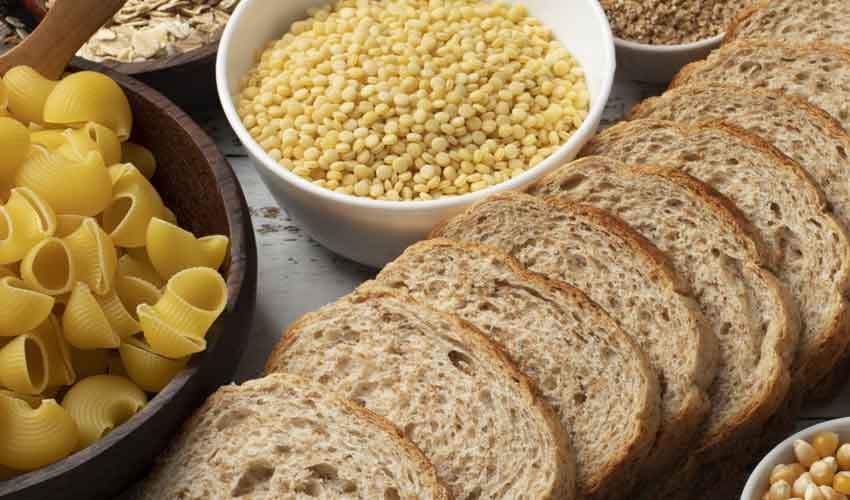
Despite persistent fears surrounding carbohydrates, nutrition experts continue to emphasise their essential role in a balanced diet.
Although low-carbohydrate diets have remained popular for decades, particularly among individuals aiming to lose weight, this macronutrient is vital for health and should form the majority of one’s daily energy intake.
According to current dietary guidelines, carbohydrates should comprise 45 to 60 per cent of daily caloric intake. However, this nutrient group is often misunderstood due to the reputation of certain highly processed, sugar-laden foods.
Products such as sweetened beverages, desserts and packaged snacks lack significant nutritional value and may contribute to weight gain if consumed in excess. These foods also provide limited satiety, which can lead to overeating.
By contrast, numerous carbohydrate-rich foods offer significant health benefits and support weight management. Fruits and vegetables provide carbohydrates alongside essential vitamins, minerals, dietary fibre and beneficial plant compounds that help lower the risk of chronic disease. Legumes, whole grains and dairy products similarly contribute fibre, protein and a range of nutrients including calcium, potassium and vitamin D.
Lentils
Among the healthiest sources of carbohydrate is the lentil. Cost-effective and widely available, lentils are easy to prepare and come in several varieties, such as brown, red and black. A single cup of cooked lentils provides approximately 40 grams of carbohydrates, alongside 18 grams of protein and 16 grams of fibre.
This combination promotes stable blood sugar levels and prolonged satiety, while also delivering folate, iron and potassium – nutrients that support cardiovascular health and circulation.
Potatoes
Both white and sweet potatoes are rich in carbohydrates and offer numerous health benefits. These tubers contain resistant starch – a form of carbohydrate that is not easily digested, which may aid in blood sugar regulation and appetite control.
In addition, potatoes provide significant quantities of fibre. Sweet potatoes are a source of vitamin A, which contributes to eye health and reduces inflammation, while white potatoes contain potassium, a mineral linked to lower blood pressure.
Beans
Beans – including black beans, kidney beans, chickpeas and others – contain roughly 20 grams of carbohydrates and 7 to 8 grams of protein per half-cup serving. They are also high in dietary fibre, with many varieties supplying over 25 per cent of the recommended daily intake in a single portion.
Furthermore, beans contain resistant starch, which may support the growth of beneficial gut bacteria. Affordable and easy to prepare, they are a versatile ingredient suitable for a range of dishes.
Fruits and Grains
Pears are another excellent carbohydrate source, providing around 27 grams of carbohydrates and 6 grams of fibre per medium fruit. They also contain vitamin C and potassium, supporting immune and heart health.
Oats, a common breakfast staple, deliver 27 grams of carbohydrates, 5 grams of protein and 4 grams of fibre per half-cup serving. Notably, oats contain beta-glucan, a type of soluble fibre shown to reduce cholesterol levels. All oat types – regardless of processing – offer similar nutritional content.
Grapes contain 23 grams of carbohydrates per ¾-cup serving. Though low in fibre, they are rich in polyphenols – plant compounds associated with improved cardiovascular outcomes, including reduced blood pressure and inflammation.
Green peas, often overlooked, are a nutrient-dense option. A cup of cooked peas provides 25 grams of carbohydrates, over 8 grams of protein and fibre each, as well as vitamins C, K and folate.
Carbohydrate-rich foods play a central role in a healthy, balanced diet. Rather than avoiding this nutrient group, individuals are encouraged to focus on whole food sources such as legumes, whole grains, fruit and vegetables. These foods support long-term weight management and overall health.