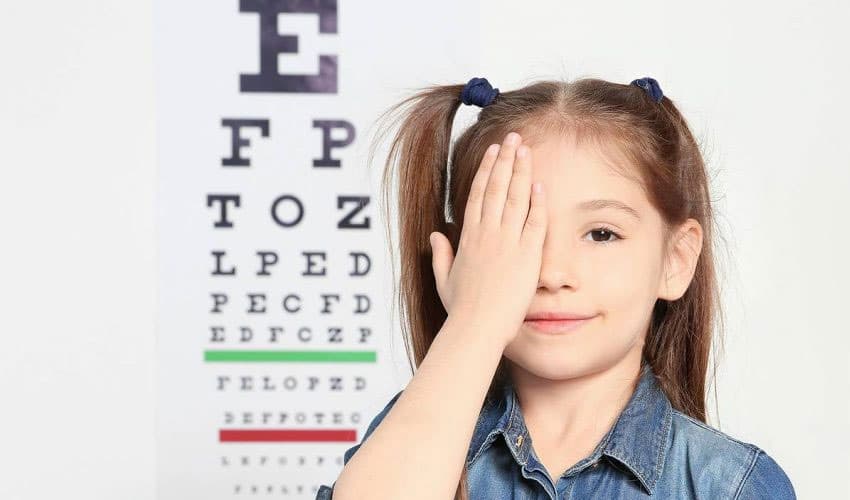
A new study suggests that omega-3 fatty acids, commonly found in fish and certain plant oils, could help protect children from developing nearsightedness (myopia).
The research, conducted on about 1,005 Chinese children aged 6 to 8, found that those with higher omega-3 intake had shorter axial length – a key marker associated with a lower risk of myopia.
By contrast, children whose diets contained more saturated fats showed longer axial length, a factor linked with higher chances of developing nearsightedness.
Omega-3 linked to eye health benefits
Researchers noted that dietary omega-3 fatty acids may play a role in controlling eye growth and preventing excessive elongation of the eyeball, which causes blurred distance vision.
In a related study, children with higher plasma omega-3 levels – particularly those with favorable genetic factors – showed more positive refraction (clearer distance vision) and shorter axial length, further supporting the protective role of omega-3s.
Why it matters
Myopia is on the rise globally, especially in East Asia, where urban lifestyles, screen exposure, and lack of outdoor activity are contributing factors. If unchecked, high myopia can lead to serious complications such as retinal detachment and glaucoma later in life.
The findings suggest that simple dietary changes, such as including more omega-3-rich foods like salmon, tuna, walnuts, and flaxseeds, could potentially help lower the risk.