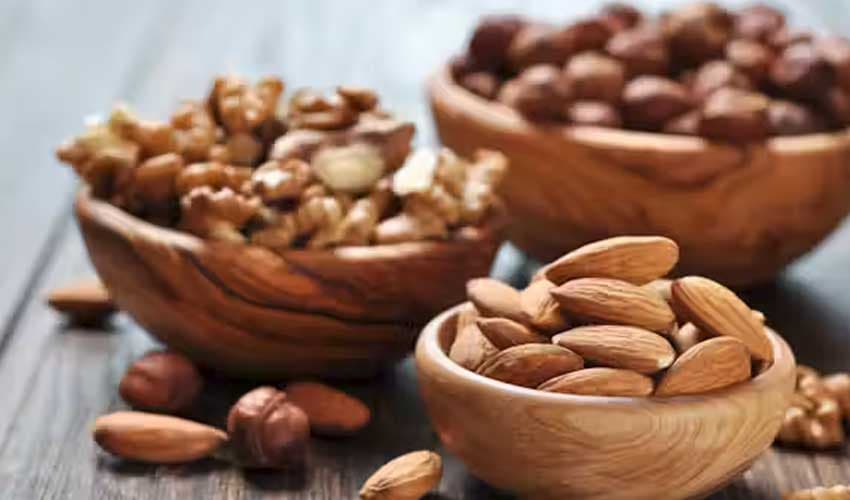
A new study has suggested that regular nut consumption may help maintain better cognitive health in older age.
According to the UK’s National Health Service, dementia is a syndrome linked to ongoing deterioration in mental ability. The Alzheimer’s Society estimates that around 850,000 people live with dementia in the United Kingdom alone. The Independent reported the findings, which could have implications for age-related mental decline.
Researchers at the University of South Australia have concluded that nut consumption may support brain function in later life. Their findings, published in The Journal of Nutrition, Health and Ageing, were based on an analysis of 4,822 adults in China aged 55 and above.
The study found that consumption of more than 10 grams of nuts per day — roughly equivalent to two teaspoons — was positively associated with improvements in thinking, reasoning and memory. The same quantity appeared to improve cognitive function by up to 60 per cent when compared to non-consumers, and may effectively prevent natural cognitive decline over a two-year period.
The study analysed nine waves of data from the China Health and Nutrition Survey collected over 22 years. Seventeen per cent of participants were regular nut consumers, primarily peanuts.
Peanuts are widely considered a rich source of anti-inflammatory and antioxidant properties. Dr Ming Li, the lead researcher, believes peanuts may help reduce cognitive decline.
Dr Li said that nuts are known for their content of healthy fats, protein and fibre, and have nutritional qualities that may reduce cholesterol levels and improve mental health. She added that, given the absence of a cure for cognitive decline and age-related neurodegeneration, dietary changes could provide older people with noticeable benefits.
She identified this as the first study to establish a link between nut consumption and cognitive function among Chinese adults. Population ageing, she observed, remains one of the central challenges of the twenty-first century.
Dr Li warned that China faces a “massive problem” as the population ages more rapidly than almost any other country. Improved and preventive healthcare — including dietary adjustments — could help address these demographic challenges.
The United Nations projected that China’s population would reach 1.44 billion in 2019. By 2050, more than 330 million Chinese citizens are expected to be over the age of 65, with over 90.4 million aged above 80 — the largest such population group in the world.
The World Health Organization estimates that 47 million people currently live with dementia globally, a figure expected to rise to 75 million by 2030 and to triple by 2050.
Dr Li said that older individuals typically experience natural changes in conceptual thinking, memory and processing speed — all considered part of normal ageing.
She maintained that age remains the strongest known risk factor for cognitive disorders, and that identifying methods to help older individuals maintain mental independence for longer, even through dietary modification, is a worthwhile endeavour.