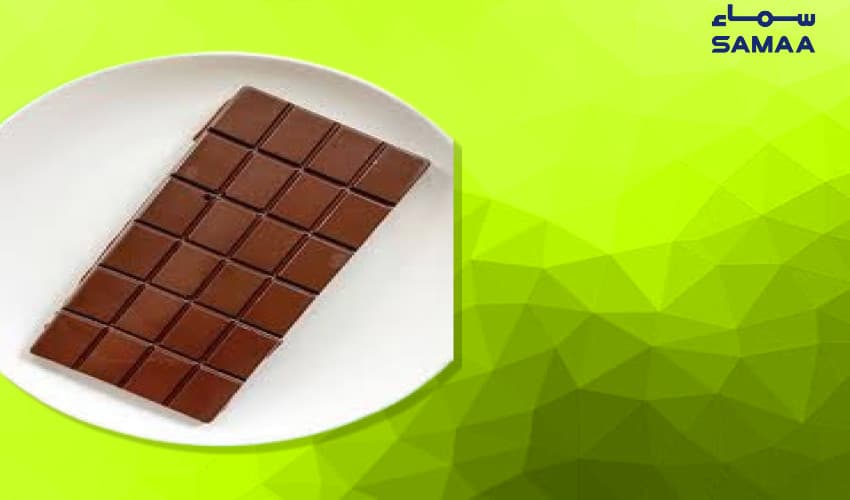
Consumers across the world like to enjoy their favourite cocoa-based treats, whether bitter and dark or smooth and sweet.
According to details, cocoa beans, the primary ingredient in chocolate, originate from Mexico, Central and South America. They were later introduced to the United States and parts of Europe to meet growing consumer demand.
Despite its association with weight gain, chocolate – when consumed in moderation – offers notable health benefits. It contributes to weight management, boosts mood and supports heart health due to its antioxidant content. Research links chocolate consumption to improved blood circulation, lower blood pressure and reduced risk of cardiovascular disease.
Established in 2009, Global Chocolate Day commemorates the presumed anniversary of chocolate’s introduction to Europe in 1550. On this date, local confectioners and retailers offer a variety of chocolate products, enabling people of all ages to enjoy a bite.
Chocolate derives from the seeds of the Theobroma cacao tree. While cocoa originated in the Americas, today Africa accounts for approximately 70 per cent of global cocoa cultivation. The earliest known use of cocoa seeds dates back to around 1100 BCE.
The seeds of the cacao tree carry a naturally bitter flavour, requiring fermentation to develop the distinct taste. To create chocolate, the seeds are covered with banana leaves and left to ferment. At this stage, they are referred to as cocoa beans.
Once transported to processing facilities, the beans undergo slow roasting at low temperatures. The husks are separated, and the inner nibs are ground into a fine substance called cocoa liquor – pure chocolate in its raw form.
Manufacturers process this liquor into two main components: cocoa butter and cocoa solids. These form the foundation of various chocolate products. Cocoa powder, produced from cocoa solids, enhances the flavour of cakes and biscuits, while cocoa butter serves as a base for chocolate bars.
Dark chocolate, often recommended for its health advantages, consists of cocoa liquor, cocoa butter and sugar. Milk chocolate contains these same elements, along with a small amount of milk powder. Additional ingredients such as nuts, salts and syrups are sometimes added to enrich the taste.
Once cooled, the chocolate sets in custom moulds, is wrapped in packaging and distributed to shops and confectioners around the world.