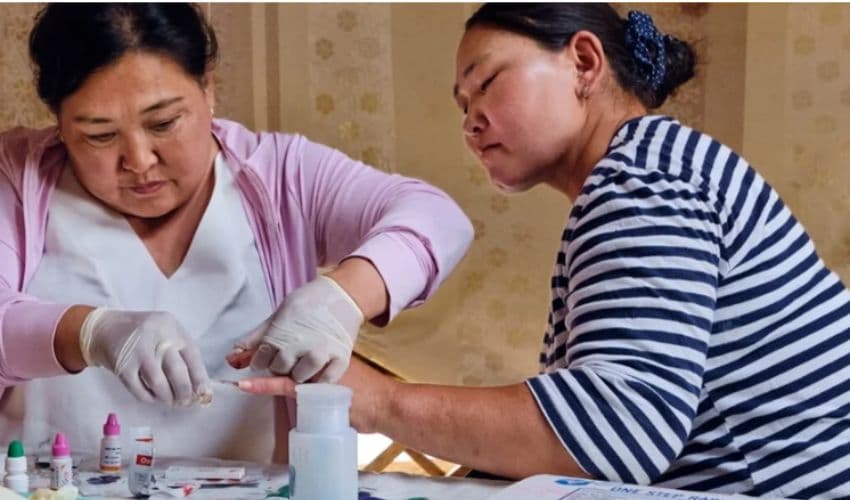
The World Health Organization is urging governments and partners to step up efforts to eliminate viral hepatitis and cut liver cancer deaths, as it marks World Hepatitis Day with a new classification of hepatitis D as carcinogenic to humans.
“Every 30 seconds, someone dies from a hepatitis‑related severe liver disease or liver cancer. Yet we have the tools to stop hepatitis,” said WHO Director‑General Tedros Adhanom Ghebreyesus.
Viral hepatitis types B, C and D now account for more than 300 million chronic infections and 1.3 million deaths a year, primarily from cirrhosis and liver cancer.
In its latest data, WHO notes that remediable gaps mean only 13 percent of hepatitis B and 36 percent of hepatitis C cases had been diagnosed by 2022, and treatment rates were 3 percent and 20 percent respectively—far below 2025 targets of 60 percent diagnosed and 50 percent treated.
If something is labeled a carcinogen?
A carcinogen is a substance or agent that can cause cancer in living tissue. For example, tobacco smoke and asbestos are known carcinogens because exposure to them increases the risk of developing cancer. In simple terms, anything labeled a carcinogen has the potential to cause cancer after prolonged or significant exposure.
Hepatitis D, which only infects people already carrying hepatitis B, carries a two‑ to six‑fold higher risk of liver cancer compared with hepatitis B alone.
The International Agency for Research on Cancer’s recent reclassification is expected to spur more screening and development of treatments, WHO said.
“WHO has published guidelines on testing and diagnosis of hepatitis B and D in 2024, and is actively following clinical outcomes from innovative treatments for hepatitis D,” said Dr. Meg Doherty, WHO’s incoming director of science for health.
Although 123 countries now report national hepatitis action plans—up from 59 in 2024—and 147 have introduced the hepatitis B birth dose vaccine, service coverage remains uneven. Just 80 countries incorporate hepatitis into primary health care, 128 into HIV programmes and 27 into harm reduction centres.
WHO warns that without urgent domestic investment, affordable medicines and stronger integration of prevention, testing and treatment services, the 2030 elimination targets could be missed.
Achieving those targets, the agency says, could save 2.8 million lives and prevent 9.8 million new infections.
To galvanize action, WHO has teamed with Rotary International and the World Hepatitis Alliance on this year’s “Hepatitis: Let’s break it down” campaign, highlighting the need to tear down stigma, close funding gaps and empower community leadership.