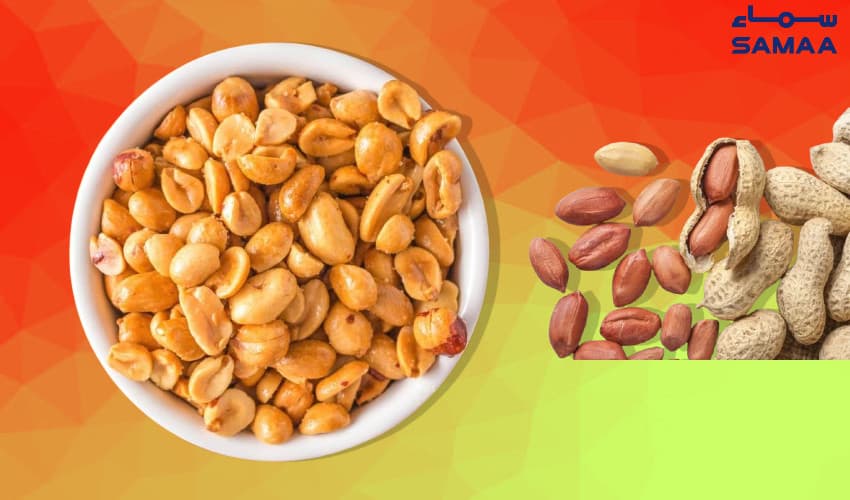
Long regarded as a simple snack, peanuts are now recognised for their significant nutritional value and broad range of health benefits.
These small legumes contain essential vitamins, minerals and antioxidants, contributing to improved overall health and well-being.
Peanuts provide support for heart and bone health, assist in hormone regulation and may reduce the risk of chronic conditions such as diabetes and Alzheimer’s disease. Their versatility and nutritional profile make them a valuable inclusion in a balanced diet.
Peanuts are rich in fibre, B vitamins and vitamin E, and supply important minerals such as iron, zinc, potassium and magnesium. Their high antioxidant content supports cellular protection, which may lower the risk of disease and promote general health.
Hormone Regulation
Nutrients found in peanuts, such as vitamin E, magnesium and arginine, may help stabilise hormone levels. Regular consumption may ease symptoms associated with hormonal imbalance, including acne and changes in mood.
Gut Function
Peanuts offer a good source of dietary fibre, which plays a key role in supporting a healthy gut microbiome. A balanced microbiome supports digestion, immune response and mental health.
Skin Health
Antioxidants including resveratrol and polyphenols help protect the skin from oxidative stress. This may reduce the appearance of fine lines and discolouration, contributing to a healthier complexion.
Cardiovascular Support
Peanuts may support cardiovascular health by improving vascular function, lowering blood pressure and reducing inflammation. The presence of arginine promotes improved circulation, and regular intake may contribute to lower cholesterol levels.
Bone Strength
Peanuts provide minerals essential for bone maintenance. Magnesium and copper contribute to bone density, assist with calcium regulation and support skeletal development.
Weight Management
Due to their high protein content, peanuts may contribute to a feeling of fullness while supplying fewer calories. Research indicates that moderate consumption does not lead to weight gain and may in fact assist in weight reduction.
Diabetes Prevention
Peanuts have a low glycaemic index, which helps regulate blood sugar levels. Evidence suggests a link between moderate peanut consumption and a reduced risk of type 2 diabetes, particularly in women identified as high-risk.
Cognitive Protection
Compounds such as resveratrol, vitamin E and niacin, found in peanuts, are believed to offer protective benefits against Alzheimer’s disease. Their presence may support brain health and reduce cognitive decline.