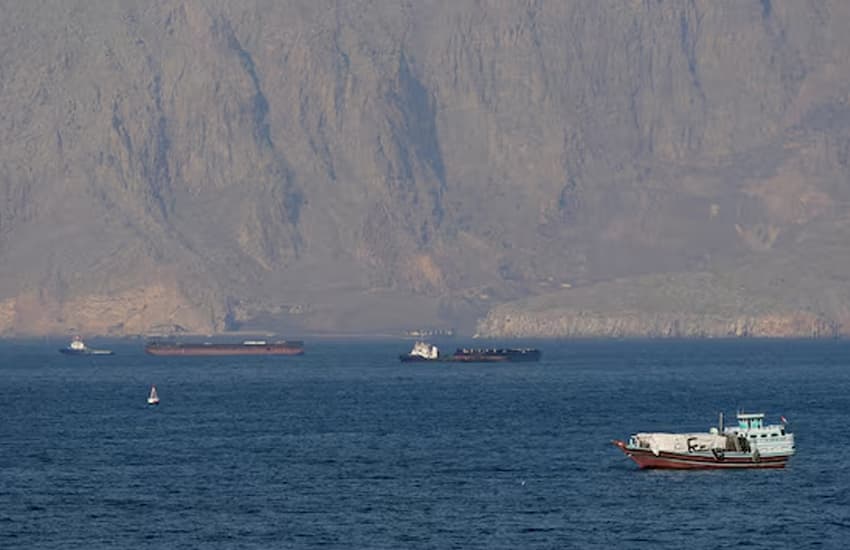
A major diplomatic breakthrough appears to be taking shape in the Middle East as Iran has reportedly agreed to reopen the Strait of Hormuz under regional supervision.
The development comes alongside fresh progress in US-Iran negotiations and increased diplomatic engagement by Pakistan and Gulf states.
According to Arab media reports, Iran has agreed in principle to reopen the Strait of Hormuz under a regional supervision mechanism and has also conveyed positive signals to Pakistan regarding the initiative.
The reports say contacts between the United States and Iran are continuing through the mediation of Qatar and Oman, with both sides moving closer to significant progress in negotiations. Pakistan has also intensified its diplomatic efforts, positioning itself as a supporter of regional peace and stability.
Prime Minister Shehbaz Sharif is expected to visit Saudi Arabia on Wednesday, where he is scheduled to hold important meetings with the Saudi leadership. According to sources, preparations for the visit have been completed, and consultations will focus on key regional developments, including the evolving Middle East situation and strengthening Pakistan-Saudi Arabia relations.
Proposal outlines new shipping arrangement
Regional officials told the Associated Press that Iran and Oman have made meaningful progress toward an agreement to reopen the Strait of Hormuz, a move that could help reduce tensions and bring the ongoing Middle East conflict closer to resolution.
Under the proposed arrangement, vessels entering the Persian Gulf would travel through an Iranian-controlled route, while outbound ships would use a route overseen by Oman. Service charges would be collected for maritime security and environmental protection.
Also Read: US has used 'virtually all' of long-range missiles on Iran: Sources
The officials, speaking anonymously because of the sensitivity of the negotiations, emphasized that discussions are still underway and that the final agreement could take a different form. They added that any deal is expected to be linked to lifting the US blockade on Iranian ports.
Interim plan could restore maritime traffic
According to Arab media and US media reports, the United States, Iran and Oman are close to finalizing an agreement on the Strait of Hormuz.
Reports indicate that Iran's leadership has approved the proposed agreement, and an interim arrangement could be announced as early as today. The reported plan would restore maritime traffic under a 60-day framework, waive toll fees and include the removal of naval mines to ensure safe navigation.
Qatar, Pakistan and Saudi Arabia are also reported to have played important roles in facilitating the mediation efforts.
Strategic significance of the Strait
If finalized, any agreement formally recognizing Iran's role in managing traffic through the Strait of Hormuz would represent a significant strategic gain for Tehran.
Regional officials noted that the waterway had functioned as an open international shipping route before the United States and Israel launched military strikes against Iran on February 28. The future structure of maritime management remains one of the most sensitive issues in the ongoing negotiations.
Also Read: Iran president says Tehran seeks no escalation in regional tensions
However, a US official familiar with the talks said any temporary shipping arrangements would not require approval from Iran or involve shipping tolls. The official stressed that Washington remains committed to restoring the previous system in which no single country controls navigation through the strategic waterway.
Trump administration faces growing pressure
The diplomatic efforts come as US President Donald Trump faces increasing domestic pressure to end the conflict, which has contributed to rising fuel prices ahead of the midterm elections and depleted US stockpiles of certain military munitions.
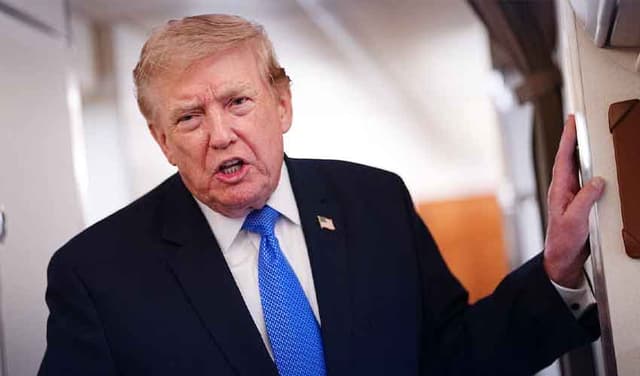
Speaking to reporters on Monday, Trump rejected the idea of Iran charging tolls for ships passing through the Strait of Hormuz.
"I'm not going to let them charge," Trump said. "Anybody's going to charge, we'll charge."
In recent weeks, Trump has alternated between warning of major military action against Iran and expressing optimism about a diplomatic breakthrough. On Monday, he described the current negotiations as Iran's "last chance before decapitation" while maintaining that an agreement could be close.
Iranian and US officials acknowledge progress
Iranian Foreign Ministry spokesman Esmail Baghaei confirmed that discussions with Oman are focused on creating safe inbound and outbound shipping routes through the Strait of Hormuz.
According to remarks carried by Iran's state-run IRNA news agency, Baghaei said the talks aim to establish shipping lanes that protect sovereign rights while addressing the national security concerns of both Iran and Oman.
He added that the final outcome of the negotiations would be announced once discussions are concluded.
US Secretary of State Marco Rubio also acknowledged that negotiations have advanced.
"There's been progress made in those talks, but not finality yet. We're hoping that will happen very shortly," Rubio told reporters at the State Department.
Rubio has previously opposed any arrangement that would give Iran control over the Strait, warning that such a move would create a dangerous international precedent.
US expects agreement to be reached soon
US Treasury Secretary Scott Bessent said there is a realistic possibility that an agreement to reopen the Strait of Hormuz could be reached today or tomorrow.
Speaking in an interview with CNBC, Bessent said negotiations with Iran were progressing and could help normalize the regional security situation.
"We are in talks with the Iranians, and I think there is a chance we may have a deal today or tomorrow to open the strait and move towards a more normalized position in this conflict," he said.
When asked whether Iran would be permitted to collect tolls from ships, Bessent replied that he expected "freedom of movement" rather than a toll-based system.
He added that hundreds of ships are waiting to transit through the Strait and predicted that reopening the waterway would help stabilize global energy markets.
Also Read: US CENTCOM considers possible ground troop deployment in Middle East
"I'd expect the energy prices to settle back down, which will be good for the entire world," Bessent said.
Despite signs of diplomatic progress, tensions remain high in the region.
Iran has publicly denied direct negotiations with Washington, even as senior US officials continue to describe talks as productive.
On Tuesday, a merchant vessel in the Strait of Hormuz was struck by an unidentified projectile, leaving one crew member missing. Separately, an Indian ship sank in the Red Sea following an unattributed attack, highlighting the continuing security risks facing commercial shipping.
The Strait of Hormuz remains one of the world's most strategically important maritime corridors, carrying a significant share of global oil and natural gas supplies. Disputes over control of the waterway have been central to the conflict since fighting escalated earlier this year.
The potential agreement between Iran and Oman was first reported by The New York Times, while multiple Arab and international media outlets have since reported continuing progress in the negotiations.