US Defence Secretary Pete Hegseth has reaffirmed that the American military remains fully prepared for action against Iran despite President Donald Trump's decision to postpone a planned strike and pursue fresh negotiations.
The remarks came as Washington and Tehran prepared to begin a new round of talks focused on the Strait of Hormuz and Iran's nuclear programme.
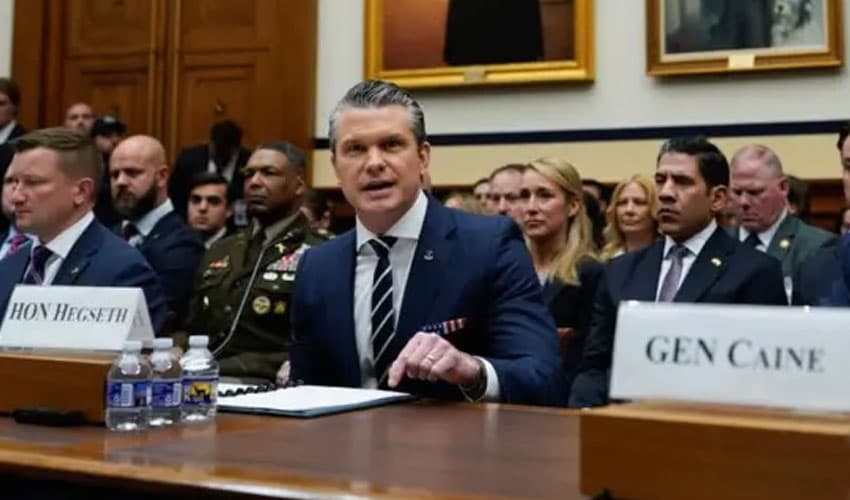
US Defence Secretary Pete Hegseth said the United States military continues to operate at the highest level of readiness despite President Donald Trump's decision to delay military action against Iran.
In a post on X, Hegseth said the US Department of Defense remained prepared to respond at levels "not seen since World War II."
"Fact. The @DeptofWar was ready to go, and remains ready, at levels not seen since World War II. Locked and loaded," Hegseth wrote.
Hegseth echoes Trump's warning
The defence secretary also repeated President Trump's assessment of the military operation that had been under consideration.
"We had an attack that would have been the biggest attack since World War II. It would have been DISASTROUS FOR THEM," Hegseth said, echoing Trump's earlier remarks.
Also Read: Trump announces fresh US-Iran talks
His comments underscored Washington's position that while diplomacy remains the preferred option, military readiness has not been reduced.
Trump pauses strike to pursue negotiations
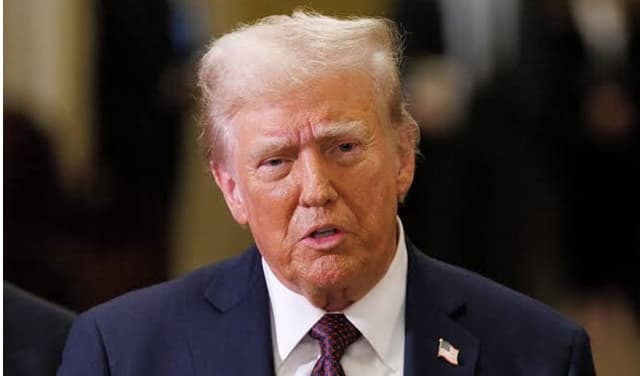
Hegseth's remarks came after President Trump announced that talks with Iran would begin on Monday, following his decision to postpone what he described as a major military strike.
Speaking to reporters aboard Air Force One, Trump said Iran was aware of the scale of the planned operation. "They knew the extent of the attack because they saw it forming," Trump said.
He added that the United States had now shifted its focus toward diplomacy. "Now what we're doing is we're talking to them in the form of a negotiation. It begins tomorrow afternoon and we'll see."
Although Trump confirmed that negotiations were moving forward, he declined to set a deadline for reaching an agreement.
Focus on Strait of Hormuz, nuclear programme
According to President Trump, the upcoming negotiations are expected to address both the Strait of Hormuz and Iran's nuclear programme.
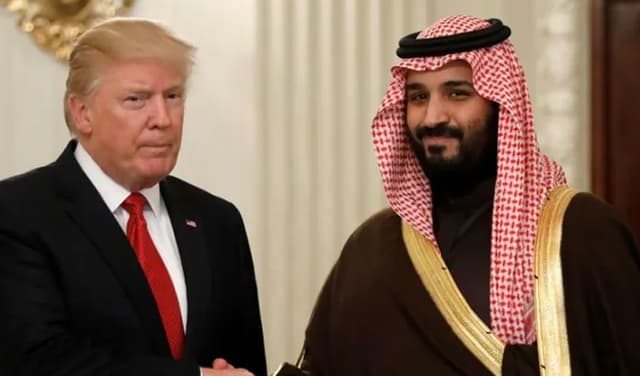
He said leaders from Saudi Arabia, the United Arab Emirates, and Qatar had urged him to cancel the planned military operation, arguing that a diplomatic solution remained possible.
Also Read: Iran warns of wider consequences if infrastructure targeted
Trump expressed confidence that negotiations could produce agreements on both issues.
"There's a deal on Hormuz and then there will be a deal on the nuclear," he said, adding that his ultimate objective is the "denuclearization of Iran."
Diplomacy continues alongside military readiness
The latest developments highlight Washington's dual-track approach of maintaining maximum military preparedness while simultaneously pursuing negotiations with Tehran.
While the United States has paused military action for now, both President Trump and Defence Secretary Hegseth have made clear that the option of force remains available if diplomatic efforts fail.