US President Donald Trump has announced that a new round of negotiations with Iran will begin on Monday, raising hopes for a diplomatic breakthrough over the Strait of Hormuz and Tehran's nuclear programme.
The announcement came as global oil prices fell sharply following the suspension of US military strikes and renewed diplomatic engagement.
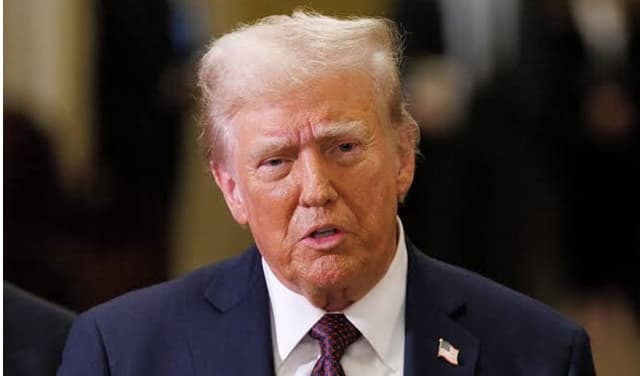
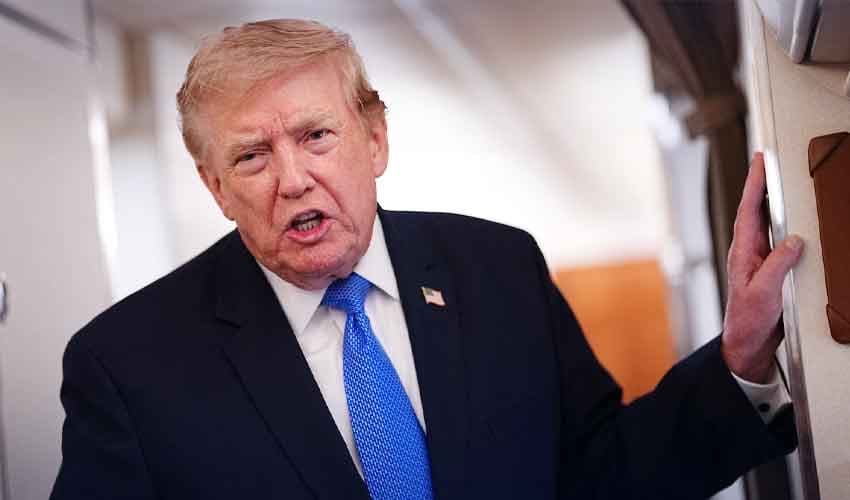
Speaking to reporters while returning to Washington from New Jersey, President Donald Trump said negotiations with Iran would begin on Monday afternoon, although he did not disclose the venue or identify those taking part in the talks.
Trump declined to set a deadline for reaching an agreement but reiterated that he preferred diplomacy over further military action.
"Would I rather make a deal? I'm not looking to kill people because people die, a lot of people die, and we don't want that," Trump said.
Attack paused in hope of reaching agreement
Trump said he had postponed an imminent US attack on Iran to allow more time for negotiations aimed at reopening the Strait of Hormuz and resolving concerns over Iran's nuclear capabilities.
In a post on his Truth Social platform late Saturday, Trump claimed Iran and several Middle Eastern countries had requested additional time to complete an agreement that would lead to the "immediate, complete and total" reopening of the Strait of Hormuz and bring an end to what he described as Iran's nuclear threat.
He also warned that Tehran must "rapidly make a deal," saying the cancellation of military action remained conditional on an immediate agreement.
According to Trump, the attacks were postponed for "the future of the world and the survival of Iran," while stressing that the United States remained prepared to act if diplomacy failed.
Also Read: Iran warns of wider consequences if infrastructure targeted
Since launching military operations against Iran alongside Israel in late February, Trump has repeatedly threatened further escalation before extending time for negotiations.
Despite several rounds of diplomatic engagement, the two sides have yet to reach a comprehensive agreement.
The latest announcement marks another shift in the conflict, which has spread beyond Iran and Israel to affect the Gulf, the Red Sea and even a Mediterranean energy facility in Egypt.
Oil markets respond to diplomacy
Global oil prices dropped by more than four percent in early Monday trading as investors reacted to the pause in military action and the start of fresh negotiations.
Iran has largely closed the Strait of Hormuz, through which around 20% of the world's oil and liquefied natural gas passed before the war, disrupting energy supplies, pushing up fuel prices and adding to inflationary pressures worldwide.
Trump has argued that preventing Iran from acquiring nuclear weapons justifies higher energy prices in the short term, but rising fuel costs have increased political pressure on his administration to end the conflict through diplomacy.
Iran steps up regional diplomatic contacts
As diplomatic efforts intensified, Iranian Foreign Minister Abbas Araghchi held separate telephone conversations with Saudi Foreign Minister Prince Faisal bin Farhan and Pakistan's army chief Field Marshal Asim Munir, according to Iranian state media.
Earlier, Iran's official news agency IRNA reported that negotiations between Tehran and Oman over issues related to the Strait of Hormuz had entered their final stages, citing Araghchi.
However, Iranian Foreign Ministry spokesperson Esmaeil Baghaei clarified that the discussions were focused on agreeing to a new maritime route through the strait and were not linked to any decision on reopening or closing the Strait of Hormuz, calling the two issues separate.
Also Read: Iran warns neighbours against backing US amid strike threats
Last month, Iran publicly rejected an Omani proposal backed by Gulf states to jointly manage the strategic waterway. According to people familiar with the matter, the proposal included collecting voluntary transit fees from ships using the strait.
Israel vows to continue action if necessary
Israeli Energy Minister Eli Cohen, who is also a member of Prime Minister Benjamin Netanyahu's security cabinet, said Israel remained in close security and intelligence coordination with the United States.
He warned that regardless of whether an agreement is reached, Israel would act militarily if Iran attempted to revive its nuclear programme or advance its ballistic missile capabilities.
"With or without an agreement, and regardless of any external commitments, if Iran attempts to renew its nuclear program or advance its ballistic missile industries, we will be there. We will take action, and we will strike," Cohen said.
Trump and Israeli Prime Minister Benjamin Netanyahu met in Washington last Tuesday, where, according to an Israeli official, they discussed every available option to curb Iran's nuclear programme, including diplomacy, economic pressure and military force.
Iran, meanwhile, continues to deny that it is seeking to develop nuclear weapons.