




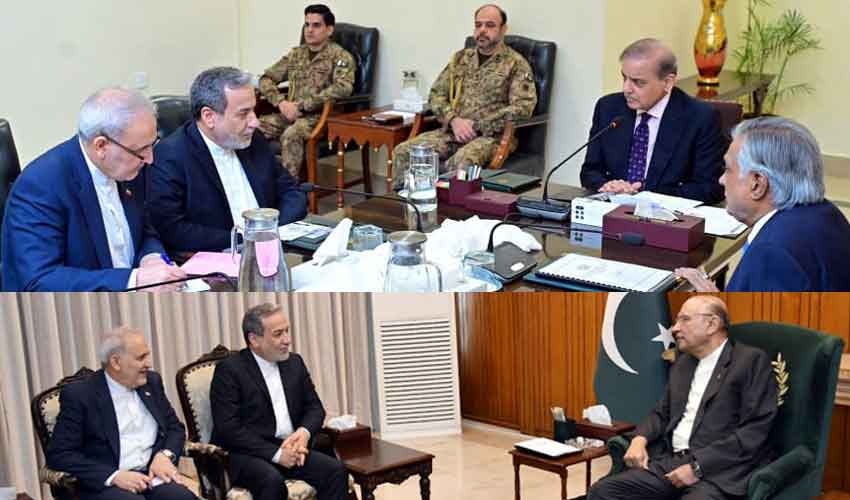
Iranian Foreign Minister Seyyed Abbas Araghchi paid an official visit to Pakistan on Monday, holding key meetings with President Asif Ali Zardari, Prime Minister Shehbaz Sharif, and Deputy Prime Minister and Foreign Minister Ishaq Dar.
The visit comes amid heightened tensions between Pakistan and India following the April 22 Pahalgam incident, which New Delhi has attempted to link with Islamabad -- allegations that Pakistan has strongly rejected as baseless.
President Zardari stresses peaceful regional cooperation
President Asif Ali Zardari received the Iranian foreign minister at the Presidency, where the two sides discussed bilateral and mutual ties, the regional security situation, and the Pakistan-India situation.
Welcoming the dignitary, President Zardari emphasized the historic and brotherly relations between Pakistan and Iran, and highlighted the need for both countries to work together for peace and prosperity in the region. He appreciated Iran’s gesture of dispatching a high-level official amid critical regional developments.
Araghchi emphasized that Iran values its relationship with Pakistan and is keen to further strengthen bilateral ties for the mutual benefit of both nations. He underlined the importance of expanding trade to its full potential and also discussed the situation in Afghanistan, assuring Pakistan of Iran’s continued cooperation on all regional issues.
President Zardari, while thanking the Iranian foreign minister for visiting Pakistan during a sensitive period, reaffirmed Pakistan’s commitment to dialogue and diplomacy. He voiced serious concern over India’s aggressive posture, which he said threatens regional peace and stability. The president also stressed the need to enhance bilateral trade with Iran for shared economic benefit.
Both sides also deliberated on the situation in Gaza, unanimously condemning the ongoing Israeli atrocities and human rights abuses in Gaza and the West Bank. The Iranian foreign minister also conveyed warm wishes from Iranian President Masoud Pezeshkian to President Zardari.
Araghchi stated that his visit was undertaken on the instructions of Supreme Leader Ayatullah Sayyid Ali Khamenei and Iranian President Masoud Pezeshkian, and conveyed that Iran understood Pakistan’s position. He called for restraint on both sides and urged de-escalation of tensions.
The leaders also condemned the ongoing atrocities in Gaza and Israeli human rights violations in both Gaza and the West Bank.
Shehbaz says water treaty a red line for Pakistan
Later, in a meeting with Prime Minister Shehbaz Sharif, the Iranian foreign minister was briefed on Pakistan's serious concerns regarding the prevailing tensions in South Asia as a result of India’s provocative behaviour since the Pahalgam attack, and the weaponization of the Indus Waters Treaty.
PM Shehbaz said that any attempt to revoke the treaty was “unacceptable and a red line” for the people of Pakistan. He reiterated that India had failed to provide any evidence to back its accusations regarding the Pahalgam incident and said Pakistan had offered an international, transparent, and impartial investigation.
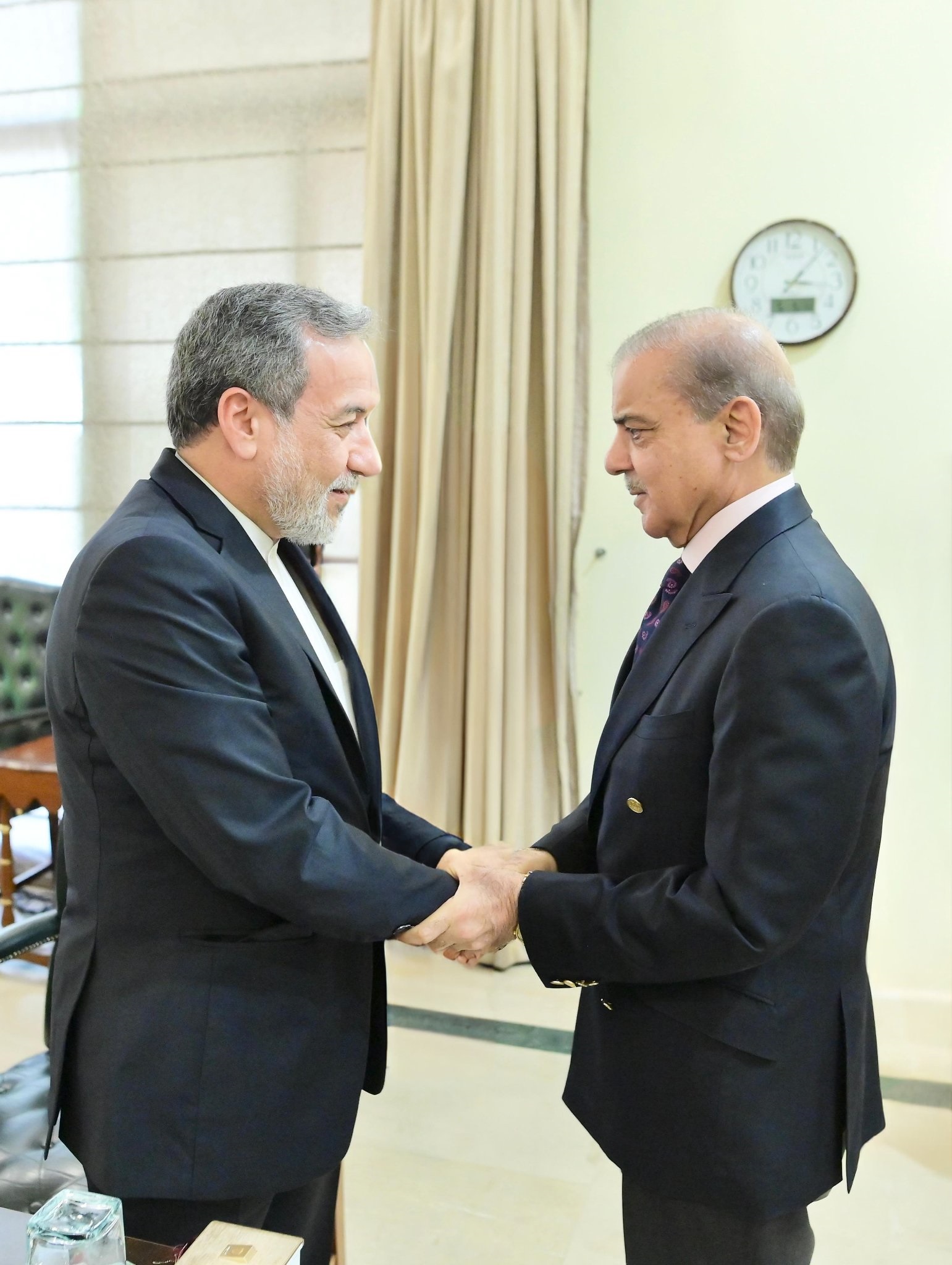
"Pakistan has acted with maturity and responsibility, while India seeks to divert global attention from the Kashmir dispute through media hysteria," the premier added. He also categorically rejected any attempts to link Pakistan to the incident, without sharing any evidence.
Earlier, PM Shehbaz conveyed his regards to Supreme Leader Ayatullah Ali Khamenei and warm wishes for President Masoud Pezeshkian. He stressed that Pakistan attached great importance to its historic, deep-rooted fraternal ties with Iran. The PM also expressed condolences over the tragic explosion in Bandar Abbas, which resulted in the loss of precious Iranian lives and injured hundreds of people.
Prime Minister Shehbaz Sharif, while warmly recalling his previous meetings and recent phone conversation with President Masoud Pezeshkian, expressed satisfaction over the growing momentum in Pakistan-Iran relations. He stressed the importance of expanding cooperation in key areas such as trade, energy, border management, and regional connectivity.
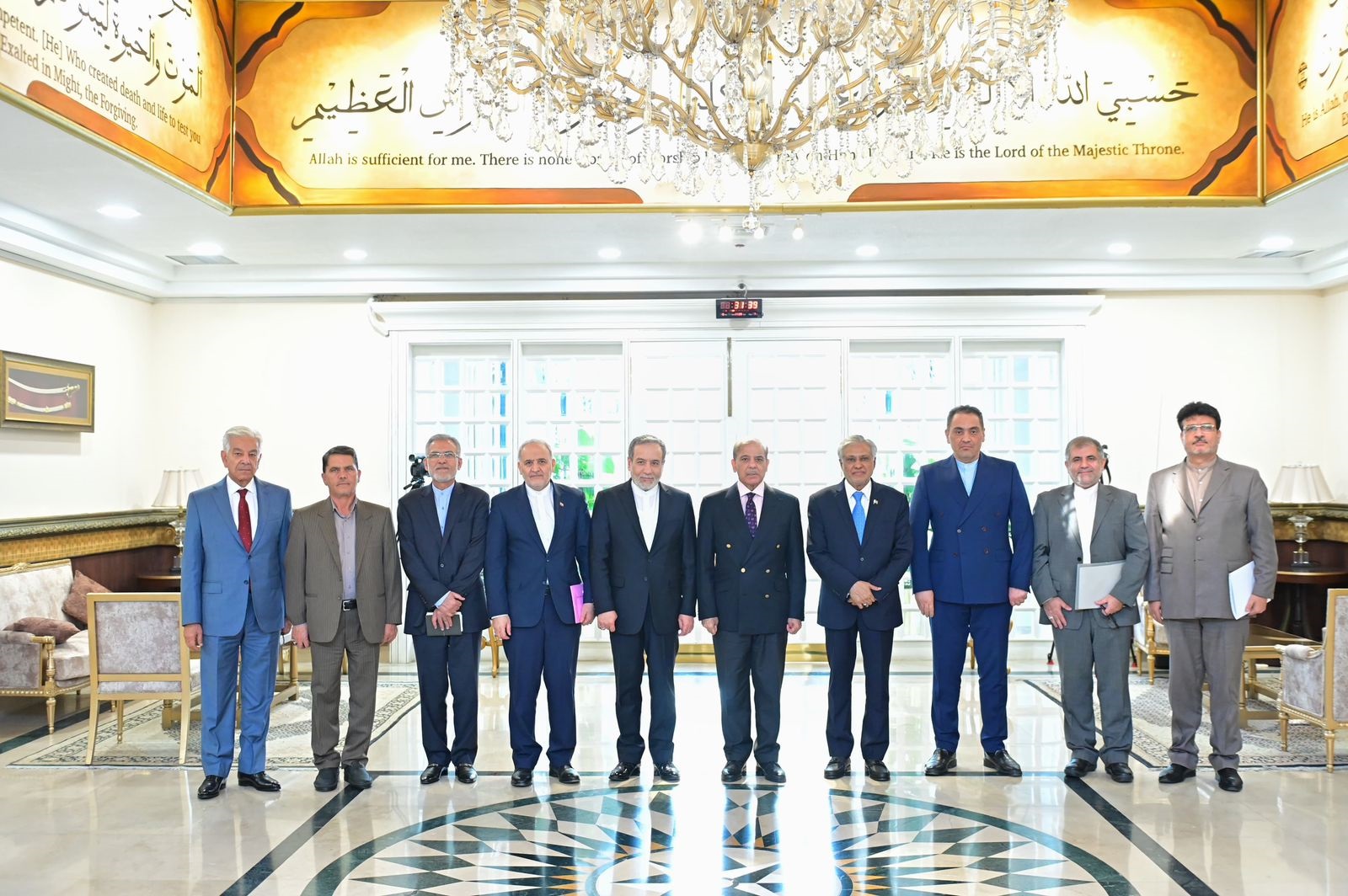
Reaffirming Pakistan’s commitment to regional peace and development, the PM underlined Islamabad’s resolve to work closely with Tehran for stability and prosperity in the region.
In response, Iranian Foreign Minister Araghchi conveyed greetings from Iran’s leadership and reiterated Tehran’s desire to further strengthen ties with Pakistan. He also renewed President Pezeshkian’s invitation for Prime Minister Shehbaz Sharif to visit Iran later this year.
Ishaq Dar: Allegations baseless, dialogue way forward
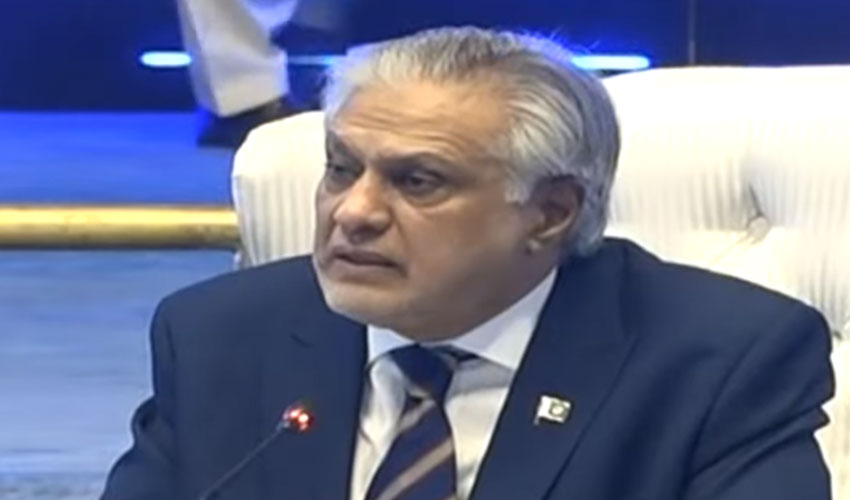
Deputy Prime Minister and Foreign Minister Ishaq Dar welcomed the Iranian FM at the Ministry of Foreign Affairs, where the two leaders discussed avenues for increasing cooperation in trade, energy, border security, and regional connectivity.
Dar echoed Pakistan’s position that allegations linking it to the Pahalgam incident were baseless, and reiterated the call for a neutral international investigation. He said India's behaviour was a deliberate attempt to divert attention from its actions in Kashmir.
“Pakistan has always condemned all forms of terrorism, and its sacrifices in the war on terror should be acknowledged,” Dar stressed. Both leaders agreed to continue close cooperation for peace and stability in the region.
According to the Foreign Office, the high-level visit reflects the depth of Pak-Iran ties and their shared commitment to regional peace, security, and development.