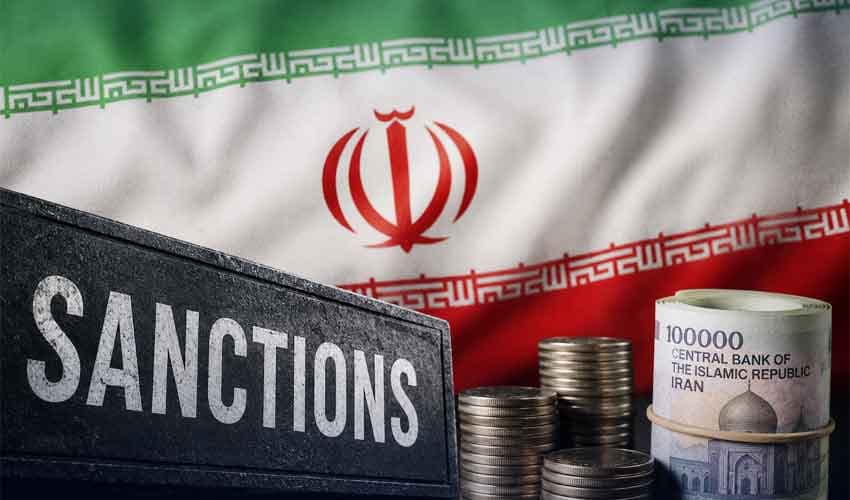
The United States has announced a new round of sweeping sanctions against Iran, targeting a major oil shipping network, dozens of individuals and companies, and more than 20 vessels as Washington intensifies its economic pressure campaign against Tehran.
The measures come amid escalating military tensions in the Strait of Hormuz, where the United States and Iran have exchanged strikes and economic retaliation in recent weeks.
The US Treasury Department said the latest sanctions focus on the shipping network of Mohammad Hossein Shamkhani, which Washington accuses of helping Iran evade existing sanctions on oil sales and other commercial activities.
According to the Treasury's Office of Foreign Assets Control (OFAC), the network has facilitated sanctions evasion through a web of shipping companies, logistics firms, financial intermediaries and offshore shell companies operating across multiple countries.
The department said the latest measures are intended to disrupt what it describes as one of Iran's most significant sanctions-evasion networks.
Also Read: Trump reimposes Iran blockade, threatens strikes on power plants
Under the latest package, the United States sanctioned more than 50 individuals, entities and vessels linked to the network.
Those designated include six individuals, among them Asghar Aghili Dehkordi and Behzad Moghadas, along with 24 companies and 20 vessels allegedly involved in facilitating Iranian oil exports.
US officials said the sanctions target shipping executives, logistics providers, financial facilitators and vessel operators based in several countries.
The Treasury Department added that Washington has now sanctioned more than 200 individuals, entities and vessels operating under Shamkhani's network.
US freezes digital assets linked to Iran
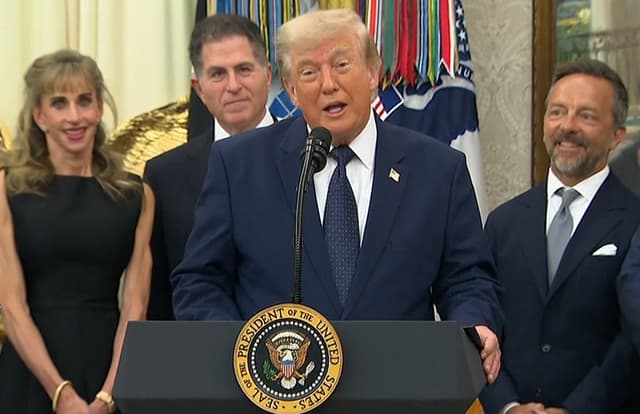
Treasury Secretary Scott Bessent announced that the department had also frozen more than $130 million held in digital wallets linked to Iran's central bank.
The move targets a financial sector that US officials say has become increasingly active since the conflict began.
Bessent said the United States would continue tracking financial networks that generate revenue for the Iranian government.
"Treasury is shutting down the financial infrastructure that allows the regime to continue its threats to US national security and global shipping," he said.
Also Read: Iran threatens to shut more global energy routes
In a separate statement posted on X, Bessent added that the United States would continue pursuing funds generated through what Washington describes as Iran's illicit revenue schemes.
Sanctions aim to disrupt sanctions-evasion network
The Treasury Department said the measures are part of Washington's ongoing effort to increase economic pressure following what it described as Iran's renewed attacks on commercial shipping in the Strait of Hormuz.
According to the department, the Shamkhani network remains one of the principal drivers of Iran's oil exports and has expanded into international commodities trading.
State Department spokesperson Tommy Pigott said the network uses Iranian and foreign nationals, companies and offshore shell firms to trade sanctioned goods and recover the proceeds from those transactions.
US assets blocked and business prohibited
As a result of the sanctions, all assets and property belonging to designated individuals and entities that fall under US jurisdiction have been frozen.
The measures also prohibit American citizens and businesses from conducting transactions with sanctioned individuals, companies or vessels.
Also Read: Iran declares US MoU void, vows full control of Hormuz
The Treasury Department said the new sanctions build upon restrictions introduced in April and earlier measures imposed last year. Washington has steadily expanded its sanctions regime as tensions with Tehran have intensified.
Iran's mission to the United Nations did not immediately respond to requests for comment regarding the latest US action.
Economic pressure follows military escalation
The sanctions coincide with one of the most serious military escalations between the United States and Iran in recent years.
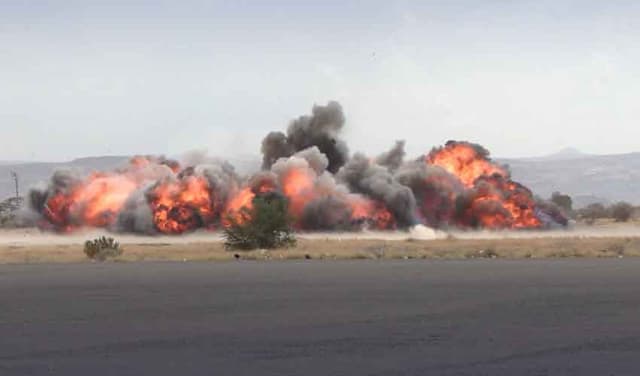
Following reported attacks on commercial shipping south of the Strait of Hormuz, Washington abandoned the Islamabad Memorandum of Understanding (MoU) on July 7, 2026, resumed military airstrikes and reinstated a naval blockade on Iranian ports beginning July 14.
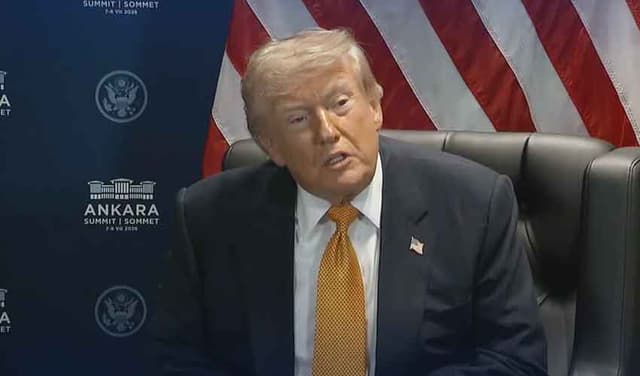
At the NATO Summit in Ankara, US President Donald Trump declared that the ceasefire with Iran was over.
"There is no longer an agreement with Iran," Trump said.
Iran subsequently launched retaliatory strikes against US military facilities, placing the Strait of Hormuz once again at the center of a widening regional conflict.
The latest sanctions were announced after the United States carried out a fourth consecutive day of military strikes against Iranian positions while Iran continued attacks on vessels operating in the Strait of Hormuz, according to the International Maritime Organization.
Also Read: Tehran hits US bases across Gulf, as US kills Iran soldiers, civilians
Iran began restricting passage through the Strait of Hormuz following US-Israeli military operations in February.
Washington initially imposed a naval blockade on Iranian ports between mid-April and mid-June before reintroducing it following renewed hostilities.
Cryptocurrency becomes another sanctions target
US officials said cryptocurrency has become an increasingly important financial channel for Iran since the start of the conflict.
Experts say digital assets have been used both to bypass sanctions targeting Iran's Revolutionary Guards and as an alternative financial system for ordinary Iranians coping with inflation and limited access to international banking.
Because Iran has long been cut off from much of the global financial system due to US and European sanctions, cryptocurrencies have become an important means for businesses and individuals to conduct international transactions.
Who was Mohammad Hossein Shamkhani?
The Treasury Department identified Mohammad Hossein Shamkhani as a central figure in Iran's sanctions-evasion network.
He was the son of senior Iranian security official Ali Shamkhani, an adviser to Supreme Leader Ayatollah Ali Khamenei.
According to the report, both Mohammad Hossein Shamkhani and Ali Shamkhani were killed on February 28, the first day of the US-Israeli military campaign against Iran.
The latest sanctions underscore Washington's commitment to maintaining maximum economic pressure on Tehran as military and diplomatic tensions continue to escalate.
US officials say further measures remain possible as they seek to limit Iran's oil revenues, disrupt financial networks and reduce the country's ability to finance activities that Washington considers destabilizing.