Hearing is one of the body's most valuable senses, but experts warn that many everyday habits can silently cause permanent damage long before people notice any symptoms.
According to audiologists, once the tiny sensory hair cells inside the inner ear are damaged, they usually do not regenerate, making hearing loss largely irreversible.
Dr Valerie Pavlovich Ruff, an audiologist at the Cleveland Clinic in the United States, said protecting hearing from an early age is essential because the delicate hair cells in the cochlea can be permanently damaged by prolonged exposure to loud noise.
Hearing loss affecting younger people
Experts say hearing problems are no longer limited to older adults. Increasing numbers of teenagers, young adults and even children under the age of 10 are showing signs of hearing impairment.
Inside the cochlea, thousands of microscopic hair cells convert sound vibrations into electrical signals that the brain interprets as sound. Excessive or prolonged noise can permanently damage these cells.
Health risks beyond hearing
Specialists warn that hearing loss can affect much more than the ability to hear. It has been linked to social isolation, communication difficulties, reduced quality of life and an increased risk of cognitive decline.
Although research has not confirmed that hearing loss directly causes dementia, studies have found a strong association between the two.
Loud concerts and headphones pose major risks
Experts say music concerts and sporting events often expose people to sound levels far above safe limits. Even 10 to 15 minutes of exposure to extremely loud noise can begin damaging the inner ear.
Instead of ordinary foam earplugs, specialists recommend high-fidelity earplugs, which reduce sound intensity while preserving sound quality.
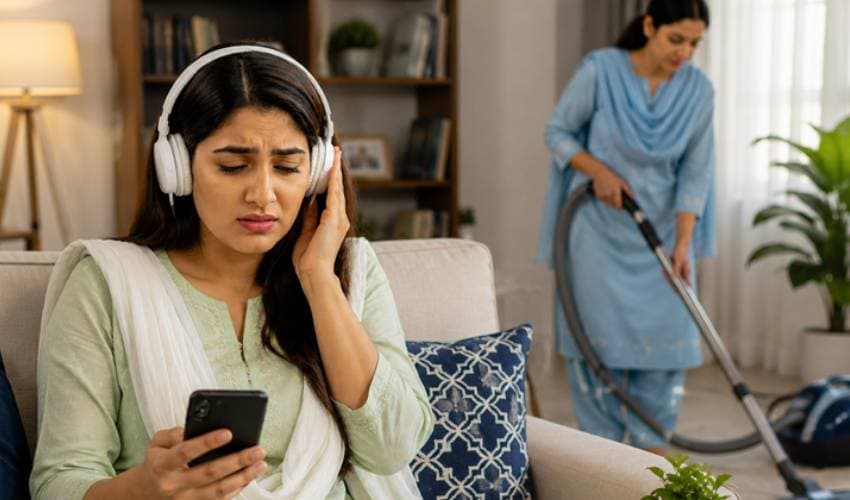
Headphone misuse is another growing concern. Experts advise keeping the volume at a level where you can still hear someone speaking to you nearby. If someone has to shout before you can hear them, the volume is likely too high.
Research estimates that around 1.35 billion people under the age of 35 worldwide could be at risk of early hearing loss due to unsafe use of personal audio devices.
Household tools can also harm hearing
Noise from lawnmowers, leaf blowers, power drills, electric saws and similar equipment can also damage hearing if used regularly without protection.
Experts recommend wearing earplugs or noise-reducing earmuffs while operating loud machinery.
Driving with windows open
Driving at high speeds with the windows down can expose ears to unexpectedly loud wind noise. Many drivers also increase the volume of their car stereo to compensate, placing additional strain on their hearing.
Motorcyclists are also advised to wear appropriate hearing protection during long rides.
Avoid wearing earplugs all the time
While ear protection is important in noisy environments, experts caution against wearing earplugs continuously.
The ears naturally clean themselves, and prolonged use of earplugs or cotton buds can push earwax deeper into the ear canal, increasing the risk of blockage, itching, temporary hearing loss and infections.
Doctors advise seeking professional medical care rather than attempting to remove impacted earwax at home.
When should you get your hearing tested?
Experts recommend a hearing examination if you struggle to follow conversations in noisy environments or experience persistent ringing in the ears (tinnitus) after exposure to loud sounds.
They stress that hearing loss can occur at any age, making early detection and prevention essential.
Health specialists advise limiting exposure to loud noise, using headphones at moderate volume, wearing hearing protection in noisy settings and seeking medical advice if any signs of hearing problems develop.