Pakistan has set ambitious trade and economic goals under the Annual Development Plan for the fiscal year 2025-26, aiming to boost exports, streamline imports, and maintain a sustainable current account deficit, according to official sources.
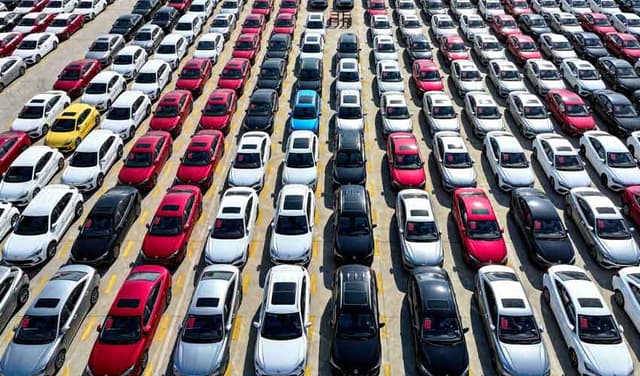
As per budget proposals, the total exports of goods and services for the upcoming fiscal year have been targeted at $44.9 billion, with a breakdown of $35.3 billion for goods exports and $9.6 billion for the services sector.
On the import side, the government has proposed a target of $65.2 billion for goods imports, while imports of services are expected to reach $14 billion, taking the overall import volume significantly higher than export figures.
Remittances and current account outlook
A key stabilizing factor in the economy, workers' remittances, is projected to bring in $39.4 billion during FY2025-26. To manage external financial pressures, the government has proposed keeping the current account deficit limited to 0.5% of the GDP, which in absolute terms could amount to around $2.1 billion.
Budget tomorrow
According to official sources, the government is set to present a Rs17,600 billion federal budget in parliament. With estimated revenue collection at Rs19,400 billion, the Federal Board of Revenue (FBR) has been given a tax collection target of Rs14,130 billion.
Debt servicing and budget deficit
One of the most significant portions of the budget -- Rs6,200 billion -- will go towards debt servicing, reflecting Pakistan’s continued struggle with domestic and external borrowing.
Despite these massive expenditures, the budget deficit target has been fixed at the same level, underscoring the government’s tightrope walk between spending and fiscal responsibility.
Relief for govt employees
In a bid to provide some relief amid rising living costs, the government is proposing a 10% salary increase for government employees, while retired public servants may see their pensions rise by 5% to 7.5%.
Major increases in defense, health, education
Pakistan’s defense budget is expected to see an 18% hike, a move likely influenced by regional security challenges and inflationary pressures. On the development front, the federal government is likely to allocate:
-
Rs13.58 billion for education,
-
Rs14.3 billion for the health sector, and
-
Rs16.22 billion for the digital economy and IT sector, reflecting a push toward modernization and youth employment.