





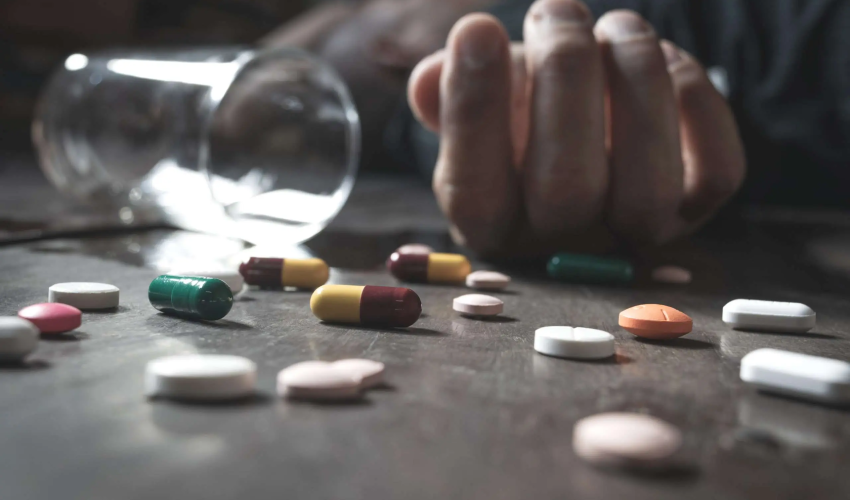
In a remarkable shift, the United States saw drug overdose deaths fall by 27% in 2024—the steepest annual drop in five years—according to new data from the Centres for Disease Control and Prevention (CDC).
An estimated 80,391 people died from drug overdoses last year, about 30,000 fewer than in 2023. The decline, experts say, is likely the result of sustained harm reduction efforts, increased treatment access, and changing drug use behaviours. Synthetic opioids like fentanyl, still involved in the majority of overdose deaths, fell by 37% year over year. Cocaine- and methamphetamine-related deaths also dropped significantly.
“This may reflect a turning point in how we respond to addiction,” said Dr. Daniel Ciccarone of the University of California, San Francisco. “But if we pull back now, we risk undoing this progress.”
Researchers say changes in drug supply, user dissatisfaction with dangerous additives like xylazine (“tranq”), and greater access to naloxone have contributed to the shift. Cities like Charlotte, North Carolina, now offer naloxone through vending machines, using CDC-funded programs to target hotspots with real-time data.
However, looming federal budget cuts could jeopardize these gains. The Trump administration’s proposed 2026 budget includes significant reductions to key agencies like the CDC Injury Centre and the Substance Abuse and Mental Health Services Administration (SAMHSA). The administration argues that such programs are redundant or promote controversial harm reduction methods.
Health professionals warn that slashing funds could dismantle life-saving infrastructure. “Losing this support would mean layoffs and losing the expert guidance we rely on,” said Dr. Raynard Washington, director of Mecklenburg County’s health department.
While overdose deaths are down, the CDC cautions that they remain the leading cause of death for Americans aged 18 to 44, underscoring the importance of continued federal and local collaboration to sustain progress.