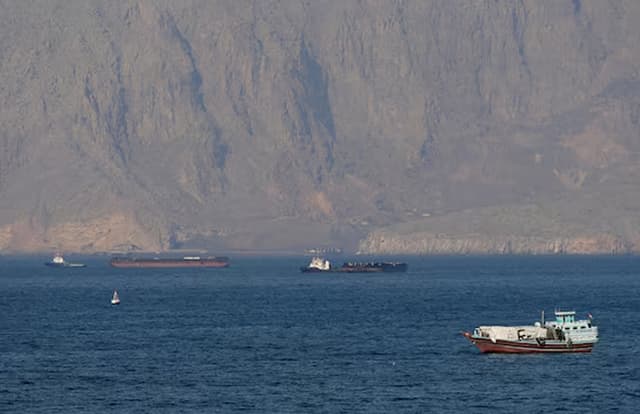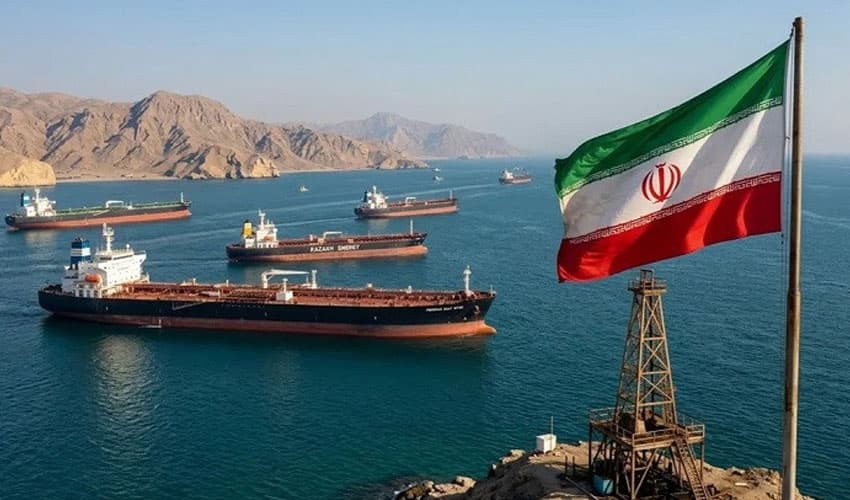
Iran has proposed charging a 7% transit fee on ships passing through the Strait of Hormuz while exempting vessels from China and Russia, as negotiations over reopening the critical global shipping route continue.
Tehran has also insisted that the United States must fulfill its commitments before the waterway can be fully reopened.
Iran announced that it plans to impose a 7% fee on every ship passing through the Strait of Hormuz, one of the world's busiest energy corridors.
However, Tehran said ships from China and Russia would not be required to pay the transit fee, making the two countries exempt from the proposed charges.
The announcement comes as international efforts continue to restore normal shipping through the strategic waterway following heightened regional tensions.
Oman offers alternative proposal
Amid ongoing negotiations, Oman has proposed an alternative arrangement under which Iran would receive a 3% transit fee instead of the 7% charge announced by Tehran.
The proposal is part of broader diplomatic efforts aimed at reaching an agreement that would allow commercial shipping to resume without disruption.
Iran says US must honor commitments
Iran made it clear that reopening the Strait of Hormuz depends on Washington following through on its promises.
Iranian officials said the United States will have to fulfill its commitments before Tehran agrees to fully reopen the strategically important maritime route.
Also Read: Trump says Iran talks progressing, Hormuz reopening near
The Strait of Hormuz is a key passage for global oil and gas shipments, making any agreement over its reopening significant for international energy markets and global trade.
Pezeshkian reflects on two years in office
Speaking to Iranian media as his government completed two years in office, Iranian President Masoud Pezeshkian discussed the country's recent challenges and resilience.
The president claimed that Iran's enemies had planned to overthrow the government within 48 hours, comparing the alleged plan to developments in Syria.
"The enemy's plan was to overthrow Iran in 48 hours like Syria," Pezeshkian said.
He credited the Iranian people for preventing that outcome.
"If we are still standing today, it is because of the great people of Iran," the president said.
Also Read: Draft Hormuz proposal could give Iran greater oversight of Gulf shipping
Pezeshkian said the country's unity remained strong even among citizens who disagreed with the government.
"Even those who had complaints against us did not come to the streets against Iran," he said, arguing that national solidarity played a decisive role during the crisis.
According to the Iranian president, public support helped the country withstand external pressure despite internal differences.
President comments on Supreme Leader
Pezeshkian also spoke about the role of Iran's Supreme Leader during the current situation. He said it is extremely difficult to meet the Supreme Leader under the present circumstances.
The president added that the Supreme Leader listens carefully to the opinions of experts before making important decisions.
"He listens to the views of experts and makes decisions based on them," Pezeshkian said.
Iran's latest announcements on shipping fees and the conditions for reopening the Strait of Hormuz come as diplomatic efforts continue over the future of the strategic waterway.
Any agreement on reopening the route would have major implications for global energy supplies, international shipping and regional stability, while Tehran continues to link progress to US commitments and broader negotiations.