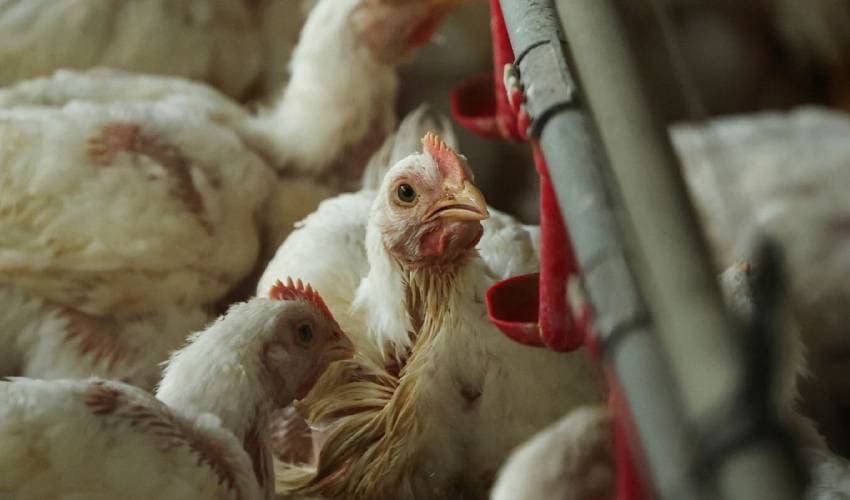
Modern commercial poultry farming may be accelerating the spread of Campylobacter, a dangerous bacterium linked to food poisoning, sepsis and, in some cases, bowel cancer, according to a new study by researchers at the University of Oxford.
The study found that the prevalence of Campylobacter in commercially raised chickens has increased by nearly 100-fold over the past 35 years.
Researchers said the bacterium, commonly found in contaminated or undercooked chicken meat, is the leading cause of bacterial food poisoning in the United Kingdom. Around 70,000 cases were reported in the country last year.
Although most patients recover within a week, experts warned that severe infections can become life-threatening and have also been associated with an increased risk of bowel cancer.
According to the Food Hygiene Certificate organisation, Campylobacter infections are responsible for around 100 deaths annually in the UK.
Official figures also show that reported cases of the illness—which typically causes diarrhoea, vomiting and stomach cramps—have increased by nearly one-third since 2016.
The findings, published in the Proceedings of the National Academy of Sciences (PNAS), suggest that factory-style poultry farming creates conditions that allow the bacteria to spread rapidly among chickens before they reach supermarkets.
The researchers said the study provides fresh evidence that human-driven environmental changes, including intensive farming practices, can contribute to the emergence and spread of infectious diseases.
They urged continued efforts to improve food safety, poultry farming practices and proper handling and cooking of chicken to reduce the risk of infection.