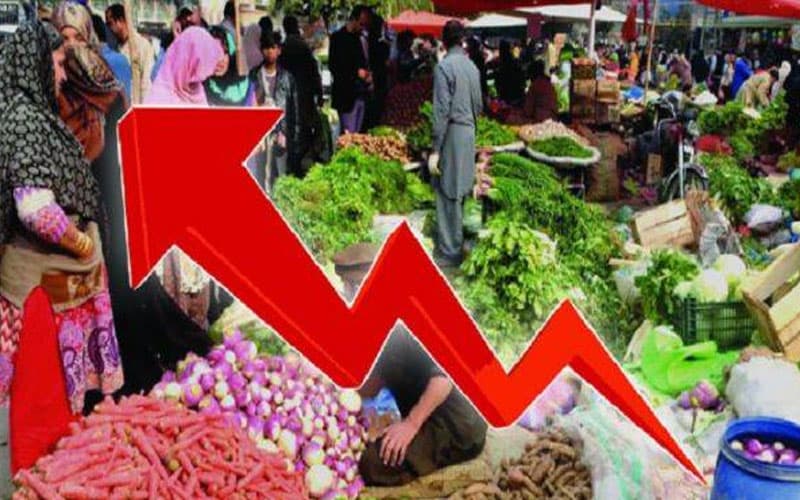
Inflation continued its upward trend in Pakistan during July, with the annual inflation rate rising to 9.2%, according to the latest data released by the Pakistan Bureau of Statistics (PBS).
The report also showed a 1.2% month-on-month increase, driven by rising food prices, transport costs and higher household expenses.
According to the Pakistan Bureau of Statistics, the country's annual inflation rate reached 9.2% in July, compared with 4.1% recorded in July 2025.
The report also showed that inflation increased by 1.2% during the month.
Urban areas recorded an annual inflation rate of 8.7%, while inflation in rural areas was higher at 9.9%.
Tomatoes, vegetables, wheat among biggest price hikes
Food prices remained the main driver of inflation, with several essential items becoming significantly more expensive.
According to the report, tomatoes recorded the sharpest increase, becoming more than 116% costlier during July.
Vegetable prices increased by 22%, while onions became 20% more expensive. The price of live broiler chicken rose by 19%, and eggs increased by 14.30%.
Staple food items also witnessed notable increases, with wheat becoming 7.42% more expensive and wheat flour rising by 6.75%.
The report further noted price increases in tea (3.55%), along with bakery products, rice, jaggery, dry milk and fresh milk.
Transport, taxes see significant increases
Beyond food, transport-related expenses also rose sharply during July. The report stated that motor vehicle tax increased by 38.68%, while the cost of communication services climbed 19.30%.
Overall, transport costs were more than 15% higher compared to the same period last year.
Household expenses continued to rise across multiple sectors. According to the statistics bureau, housing, water, electricity, gas and fuel costs increased by 7.14% on an annual basis.
Residential services became 3.16% more expensive, while house rents increased by 1.48%.
Healthcare costs also continued to rise, with medicines becoming 2% more expensive and overall health services recording a 7.80% annual increase.
Meanwhile, education expenses rose by 9%, adding further pressure on household budgets.
Food inflation remains elevated
The report highlighted that food prices increased by 10.64% over the past year. Prices of perishable food items rose by 5.8%, while clothing and footwear became 9.18% more expensive.
Household appliances also registered an annual increase of 6.92%. Consumers also paid more for services during the year.
According to the report, restaurant and hotel charges increased by 5.71%, while tobacco and alcohol prices rose by 3.19% annually.
The latest inflation figures indicate that rising prices continue to affect households across Pakistan, particularly through higher food, transport, housing and essential living costs.