





In the wake of India's unprovoked missile aggression under the so-called Operation Sindoor, Pakistani authorities have issued a strong response—both militarily and in terms of public safety.
As tensions escalate, citizens across Punjab, Azad Jammu and Kashmir, and other high-risk areas are being urged to remain vigilant, calm, and prepared.
What is 'Operation Sindoor'?
On Tuesday night, India launched missile attacks targeting nine sites inside Pakistan and Azad Jammu & Kashmir (AJK). The Indian military claimed these strikes were “measured and non-escalatory,” allegedly targeting terrorist infrastructure. However, Pakistan's Inter-Services Public Relations (ISPR) strongly condemned the attack, labelling it a cowardly act deliberately aimed at civilian populations, not military facilities.
According to the DG ISPR, Indian jets did not enter Pakistani airspace—a testament to the preparedness of the Pakistan Air Force (PAF). However, missiles were fired from across the border, impacting multiple areas, including:
- Masjid Sobhanullah in Bahawalpur
- Bilal Shawai Mosque and Shawai Pachgran in Muzaffarabad
- Kotli in AJK
- Civilians injured in Neelum Valley, Bahawalpur, and Muzaffarabad
So far, over 29 civilians have been injured, including the majority of women and children, with an emergency declared in multiple hospitals such as Bahawal Victoria Hospital and Nishtar Hospital in Multan.
Pakistan has responded strongly, with security sources confirming the destruction of Indian military posts in Bidaniyal Sector along the Line of Control (LoC). At least five Indian fighter jets, including Rafales, were reportedly shot down. The Pakistan Army continues to retaliate in sectors such as Jura, Athmuqam, and Neelum Valley.
Public safety measures: What you need to know
As the situation unfolds, the government has placed several cities on high alert, including Islamabad, Multan, Faisalabad, Sialkot, and Khanewal. In light of this, citizens are urged to follow these key safety guidelines:
-
Stay indoors and avoid travel in high-risk areas
Avoid unnecessary movement, especially near border areas or sensitive installations. If you live near the LoC, remain in designated bomb shelters or reinforced rooms.
-
Follow official alerts only
Rely solely on verified sources such as:
- ISPR official X (formerly Twitter) handle
- NDMA (National Disaster Management Authority)
- Samaa TV WhatsApp alerts
Avoid unverified news on WhatsApp or social media that may cause panic.
-
Emergency preparedness
Keep an emergency bag ready with:
- CNIC copies
- Water, dry food
- First aid kit
- Flashlights, batteries
- Necessary medication
- Radio or mobile phone with charger
-
Observe lights-out protocols in border areas
Residents of areas like Sialkot and Kot Momin are advised to keep lights off at night to avoid becoming targets.
-
Cooperate with health & rescue teams
All hospitals in Punjab have been placed on red alert. In case of injuries or suspicion of attack, reach out to:
- Rescue 1122
- Nearest DHQ hospital
- Local disaster coordination units
-
Psychological support for families
In wartime environments, mental stress is high. Parents should keep children indoors and avoid sharing disturbing content with them. Seek counselling via telehealth platforms if needed.
-
Report suspicious activity
Report any suspicious activity or drones near your area to the nearest police station or Army checkpoint. Vigilance is crucial for national defence.
-
Identify shelters
Familiarize yourself with the nearest bomb shelters or safe zones in your vicinity. In the absence of official shelters, designate a secure area in your home, preferably away from windows and external walls.
-
Communication Plan
Establish a communication strategy with family members, ensuring everyone knows how to reach each other and where to regroup if separated.
-
Digital Preparedness
Keep electronic devices charged and have backup power sources. Download essential apps that provide real-time alerts and information.
-
Public Advisory: Avoid Sharing Military Movement
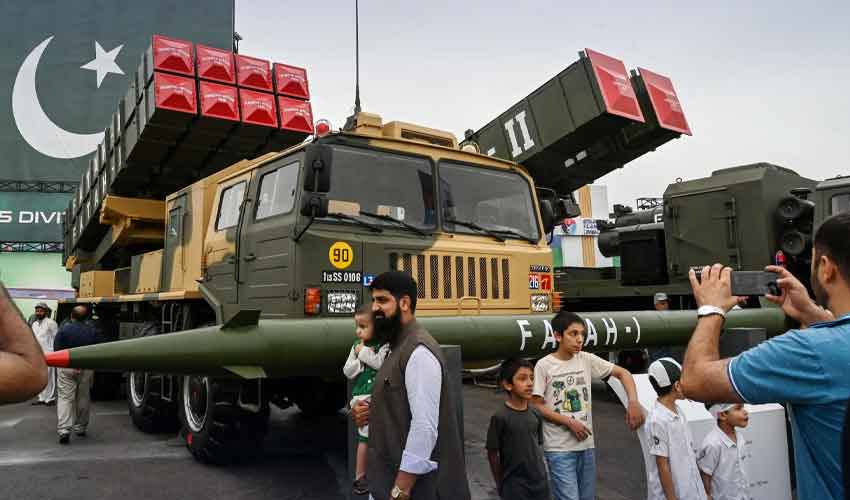
Citizens are urged not to post videos or pictures of any military movements, including convoys, tanks, or artillery, on social media. Sharing such images can jeopardize national security by providing adversaries with crucial information about military operations.
The public is reminded that in times of conflict, responsible behaviour is essential to safeguarding the country’s forces. Everyone must stay vigilant and act with caution, ensuring that no action unintentionally compromises the security of the nation.
The nation stands united
While India frames Operation Sindoor as a calculated military act, the reality on the ground reveals civilian suffering, religious site damage, and aggression without provocation. The Pakistan Armed Forces remain in control, with the PAF on full alert, ensuring the enemy does not breach even an inch of national airspace.
For now, the priority remains public safety, national unity, and a calm, collective response to aggression.