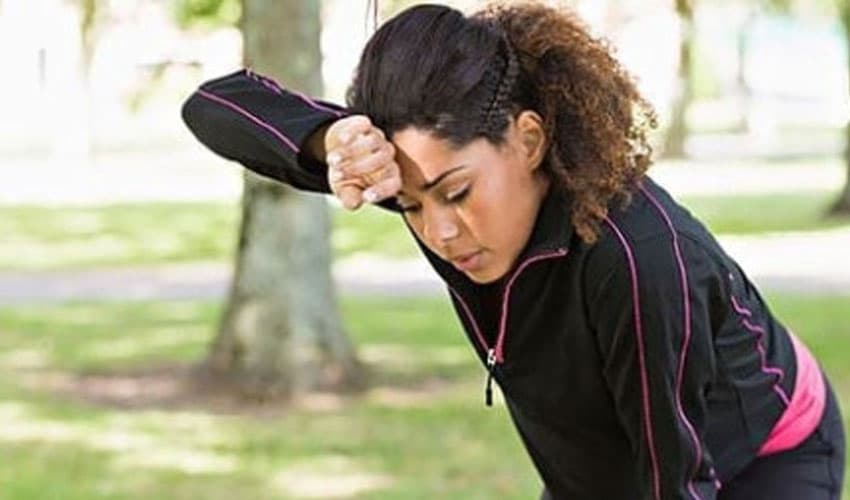
Experiencing shortness of breath while walking short distances, climbing stairs or performing routine daily activities should not be dismissed as simple fatigue, according to medical experts, who say the symptom could indicate an underlying health condition.
While breathlessness was once considered more common among older adults, doctors say it is increasingly affecting younger people, partly due to sedentary lifestyles and declining physical fitness.
Health experts note that many people spend long hours sitting at desks or using mobile phones and computers, with little physical activity. Over time, reduced fitness can make even light exertion feel more demanding and contribute to shortness of breath.
Possible underlying causes
According to doctors, persistent breathlessness during mild physical activity may be linked to several medical conditions, including diseases affecting the heart, lungs, kidneys or liver.
Experts say swelling around the face or eyes alongside breathlessness may indicate liver problems, while swelling in the legs could point to kidney disease. Swelling affecting the hands, feet and face simultaneously may also be associated with heart-related conditions.
Doctors stress that anyone experiencing these symptoms should seek medical evaluation rather than relying on self-diagnosis or self-medication.
Other common causes
Medical experts say shortness of breath can also result from a range of other conditions, including:
- Anemia
- Poor physical fitness or general weakness
- Asthma
- Seasonal allergies
- Respiratory infections such as colds and coughs
- Chronic lung diseases
- Long-term smoking
Because breathlessness has many possible causes, doctors emphasize that a proper medical assessment is necessary to determine the underlying reason.
Digestive health may also play a role
In some cases, breathing difficulty may be linked to digestive issues. Experts say sitting or lying down immediately after meals, combined with a lack of exercise and an unhealthy diet, can contribute to gas, acid reflux and a feeling of chest heaviness that may resemble shortness of breath.
Maintaining a healthy lifestyle
Health professionals recommend adopting healthy daily habits to reduce the risk of breathlessness and improve overall well-being. These include eating a balanced diet, engaging in regular physical activity and taking a light walk after meals to support digestion and maintain cardiovascular fitness.
They also advise seeking prompt medical attention if breathlessness is persistent, worsening, or accompanied by chest pain, dizziness, fainting, swelling or other concerning symptoms.