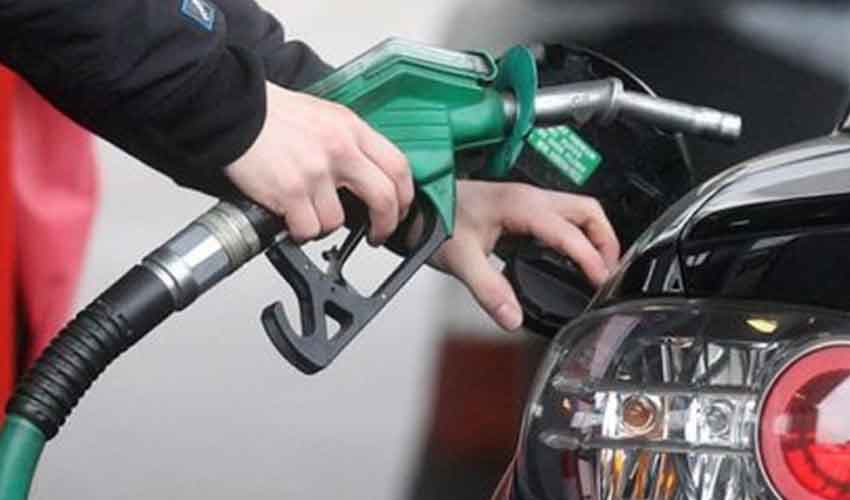
The government has decided to gradually deregulate Pakistan's petroleum sector, marking a major shift in fuel pricing policy.
Alongside the reforms, authorities are also working on reducing high-speed diesel prices to provide immediate relief to consumers.
According to sources in the Petroleum Ministry, the government is moving ahead with a phased plan to deregulate the petroleum sector to encourage greater competition and liberalize the fuel pricing system.
The Petroleum Pricing Committee is expected to finalize its recommendations by next Thursday and submit a comprehensive plan to the prime minister within the next two weeks.
Petrol prices to be deregulated first
Under the first phase of the reform plan, petrol prices will be deregulated, allowing market-based pricing mechanisms to play a greater role.
In the second phase, the deregulation framework will be expanded to include other petroleum products, completing a broader overhaul of the country's fuel pricing system.
Plan to reduce diesel prices
As part of the proposed reforms, the government has also begun preparations to reduce the price of high-speed diesel (HSD), aiming to provide immediate financial relief to consumers.
According to Petroleum Ministry sources, a proposal is under consideration to reduce the crack spread of high-speed diesel from $70 per barrel to between $35 and $40 per barrel.
Also Read: Petrol up Rs1.09, high-speed diesel rises Rs2.42 per litre
Officials believe this reduction could lead to a significant decrease in diesel prices in the local market, benefiting transporters, farmers, businesses and other consumers who rely heavily on diesel.
Refinery viability to remain protected
Sources said the proposed reduction in diesel pricing has been designed in a way that will continue to protect the financial viability of local oil refineries.
Officials emphasized that the reforms are intended to strike a balance between consumer relief and maintaining the sustainability of Pakistan's refining sector.
Reforms aimed at competition and transparency
According to officials, the government is considering broader measures to increase competition in the petroleum industry while making the pricing system more transparent and market-oriented.
The proposed deregulation package is expected to improve efficiency in the petroleum sector, promote fair competition among market players and provide long-term benefits to consumers through a more transparent fuel pricing mechanism.
If approved by the prime minister, the phased deregulation plan would represent one of the most significant policy changes in Pakistan's petroleum sector in recent years.