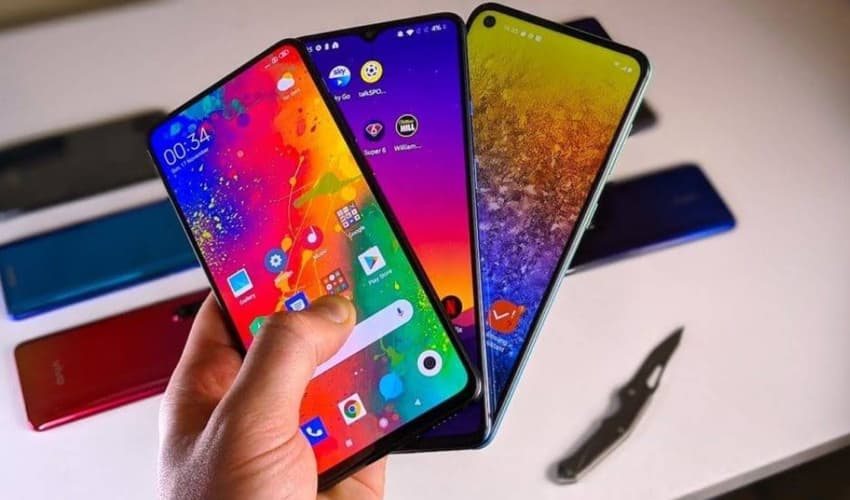
Consumers may want to think twice before upgrading their smartphones this year, as rising prices and modest hardware improvements are making new flagship devices harder to justify, according to a technology opinion published by Tech Advisor.
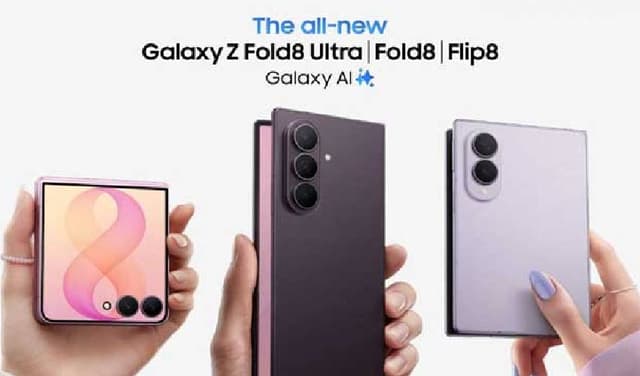
The article argues that most flagship smartphones launched in 2026 deliver only incremental improvements in processing power, cameras and artificial intelligence features, while prices continue to climb.
According to the publication, buyers spending between €1,000 and €2,000 on premium smartphones are often paying significantly more for upgrades that make little difference in everyday use.
The opinion also notes that a global memory supply shortage has contributed to higher smartphone prices, with some manufacturers reportedly reducing RAM configurations to manage costs.
Longer software support changes upgrade cycle
Another reason consumers can comfortably delay upgrading is the longer software support now offered by smartphone manufacturers.
The article highlights that regulations in the European Union require manufacturers to provide software updates for at least five years and make spare parts available for up to seven years.
As a result, many smartphones released in 2025 are expected to remain secure and fully supported until around 2030, extending their usable lifespan.
Upgrade only if necessary
Rather than replacing a phone every year, the opinion recommends holding on to an existing device as long as it continues to perform well.
Consumers should consider upgrading only if they experience significant issues such as deteriorating battery life, hardware failure or performance problems that affect daily use.
For those who need a replacement, the article suggests looking at flagship models launched within the past two years, which are often available at substantial discounts while offering performance close to the latest devices.
The opinion also advises against upgrading solely for AI-powered features, arguing that while artificial intelligence remains a major marketing focus, it is not yet a compelling reason for most users to replace a functioning smartphone.