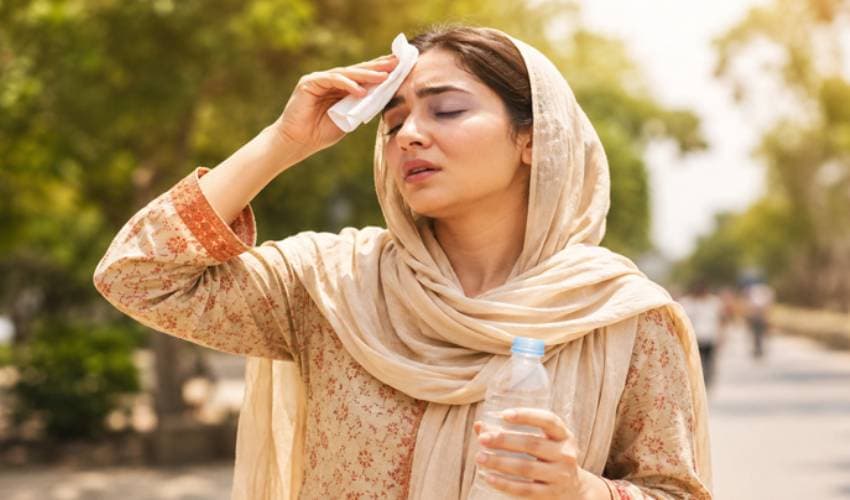
As climate change fuels longer and more intense heatwaves worldwide, health experts say women are often more vulnerable to extreme temperatures than men because of a combination of biological, hormonal and social factors.
Medical specialists warn that prolonged exposure to high temperatures can place significant strain on women's bodies, increasing the risk of dizziness, fatigue, anxiety, swelling, insomnia, poor concentration and heat-related illnesses.
According to a BBC report, Dr Nighat Arif, a women's health specialist with the UK's National Health Service (NHS), described heatwaves as a "stress test" for the cardiovascular system because the body must work much harder to regulate its temperature.
Why women are more affected by heat
Experts say women generally sweat less than men and begin sweating at higher body temperatures, reducing the body's ability to cool itself efficiently.
Women also tend to have a higher percentage of body fat and a slightly higher average core body temperature. Body fat acts as insulation, causing the body to retain heat for longer.
Hormonal fluctuations further complicate temperature regulation. Changes in estrogen and progesterone during menstruation, pregnancy, breastfeeding, perimenopause and menopause can make it more difficult for women to stay cool.
Menstrual cycle can reduce heat tolerance
Doctors say different stages of the menstrual cycle can affect the body's response to extreme heat.
Before menstruation, rising progesterone levels increase baseline body temperature, while declining estrogen levels during menstruation may reduce the body's ability to regulate heat.
Heavy menstrual bleeding can also lead to iron loss, increasing the likelihood of fatigue, dizziness, sleep disturbances and difficulty concentrating during hot weather.
Menopause and pregnancy raise the risks
Women experiencing perimenopause or menopause may suffer more frequent hot flashes and night sweats during heatwaves, with experts warning that rising global temperatures could worsen these symptoms in the future.
Pregnancy also increases vulnerability to heat. Research published in The Lancet shows that pregnancy raises metabolism, blood volume and fluid requirements, placing additional strain on the heart.
Studies suggest prolonged exposure to extreme heat may increase the risk of pregnancy-related complications for both mothers and babies, particularly in high-risk pregnancies.
Social factors add to the risk
Experts say women also face greater heat-related risks because of social and lifestyle factors.
Dr Kate Penhau Gomes of University College London's Institute for Global Health noted that women often carry greater caregiving responsibilities, making it harder to prioritise their own health during heatwaves.
Women also tend to live longer than men, meaning a larger proportion of elderly women face increased heat-related risks. Ageing, dementia and certain medications can reduce thirst perception and increase the risk of dehydration.
Warning signs of heat illness
Health experts advise seeking immediate medical attention if symptoms of heat exhaustion develop, including:
- Dizziness
- Extreme weakness
- Nausea or vomiting
- Muscle cramps
- Cool, clammy skin
- Fainting
Heatstroke is a medical emergency. Symptoms include:
- Body temperature above 40°C (104°F)
- Hot, dry skin with little or no sweating
- Confusion or altered mental state
- Loss of consciousness
- Seizures
How women can stay safe
Doctors recommend taking simple precautions during periods of extreme heat:
- Drink plenty of water throughout the day.
- Limit outdoor activities during the hottest hours.
- Exercise early in the morning or after sunset.
- Wear lightweight clothing and sunscreen.
- Get enough rest and watch for symptoms of heat stress.
- Pay extra attention to hydration during menstruation, pregnancy or menopause.
Experts also urged governments, employers and public institutions to develop heat-response plans that address women's specific health needs.
Dr Arif stressed that protecting women from extreme heat benefits everyone.
"This is not just a women's issue. If we put the right protections in place for women, everyone stands to benefit."