Iran has warned that it will not allow the United States to play any role in managing the Strait of Hormuz, while cautioning regional countries against supporting US operations in the strategic waterway.
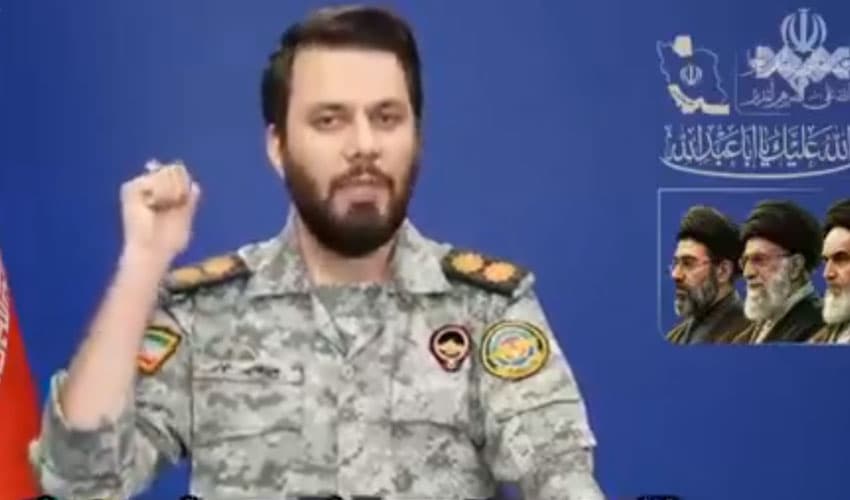
Ebrahim Zolfaghari, spokesperson for Iran's Khatam al-Anbiya Central Headquarters, accused Washington of undermining regional security and international trade through its actions in the Strait of Hormuz.
"We do not and will not allow the United States to interfere in the management of the Strait of Hormuz," Zolfaghari said in remarks carried by Iranian state broadcaster IRIB.
He said Iranian forces would respond firmly to any actions that disrupt security outside what Tehran described as its designated shipping route.
Zolfaghari also warned neighbouring countries against providing logistical or military support to US forces, saying such assistance would be regarded by Iran as hostile and could further escalate tensions across the region.
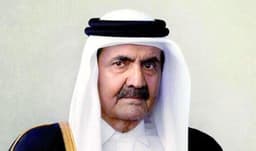
Meanwhile, Mohammad Mokhber, an adviser to Iran's Supreme Leader, defended Tehran's position on the strategic waterway.
"Iran is currently defending the Strait of Hormuz," Mokhber said in a statement shared on social media.
"There is no alternative to the strategic status and economic importance of the Strait of Hormuz. If we do not defend ourselves today, we will be forced into the hands of the enemy in the future."
He added that no Iranian committed to the country's interests could accept abandoning control of the strategically important passage.
The statements came after US President Donald Trump accused Iran of violating an interim agreement and warned of a stronger military response.
"It was a done deal and then they broke it. They always break it. We've had 10 deals with these people — and so we're just going to hit them very hard," Trump said in remarks released by the White House.
"They're a bad group of people. They've been this way for a long time," he added.
The exchange of warnings comes as tensions continue to rise over the Strait of Hormuz, a key global shipping lane through which a significant share of the world's oil and liquefied natural gas exports passes.